

 Join
Drowning in Data: In Support of Science Teachers Engaging Data Science Learning In High School Science
By Colby Tofel-Grehl, PhD, and Justice T. Walker, PhD
Posted on 2026-10-30
Disclaimer: The views expressed in this blog post are those of the author(s) and do not necessarily reflect the official position of the National Science Teaching Association (NSTA).
Data science means different things to different folks. For some, it is a series of tools for analyzing and telling stories, narrated through statistical analyses, visually compelling graphs, or even AI-based simulations. For others, data science is the process of making sense of the world around us, and using disciplines like science, math, and the humanities to make it concrete and useful. At the heart of both perspectives (and others) sits the idea that data can and should be distilled in meaningful ways to help inform and solve problems. While historically relegated to statistics classes, more and more today we see opportunities to engage data across contexts in novel, interdisciplinary ways.
Today, we are consumed by our own data. Each purchase logged, each opinion registered—we are living through a data revolution where nearly no moment is too small to measure, quantify, and record. As individuals, we are both consumers and producers of data on a daily basis. Phones and watches casually monitor and track our locations, health risks, behaviors, and so much more.
While we find ourselves with unlimited opportunities to mark, measure, and monetize the micro-moments of our daily lives, we can also find ourselves adrift in an ocean of data, unclear about how best to leverage what our “datafied” lives have to offer, and missing the wherewithal to do so sustainably.
And what becomes of these data? How do we use them to improve our lives? Who gets to decide? Further still, what happens when data yields multiple patterns, some of which obfuscate rather than distill, contradict rather than confirm, implicate rather than affirm? The key to our future advances depends, in very real ways, on our ability to effectively parse out and carefully weigh competing data narratives. This will require that we get comfortable challenging our assumptions and pushing the boundaries of the strategies we use to make sense of data and its patterns. If humanity is to prevail, we need to be prepared with the literacy and agency needed to thoughtfully contend with data and its accompanying opportunities and pitfalls.
Across all grade levels, the Next Generation Science Standards point to data skills and literacies as necessary for greater scientific literacy. Notably, it is one of the few topics that spans all grade levels and areas of science learning. This reflects the cross-curricular nature of data science and underscores the essential need for students at all grade levels and in all content areas to learn about and grapple with data. This is of paramount importance.
It stands to reason that science teachers would and should engage their students in learning about and with data. However, there are persistently very few resources to support teachers in data-centered instruction. We seek to shine a light on growing communities of practitioners who are making change here.
The March-April 2026 The Science Teacher special issue on data science shares additional resources for high school science teachers to help engage data science practices and skills in their classrooms. By creating a robust pool of accessible science lessons that center on data science insights and literacies, we hope to equip current and future generations of teachers with the agency to better foster a deep appreciation of the critical thinking and reasoning skills young people need to make informed decisions around data, their own lives, and the world.
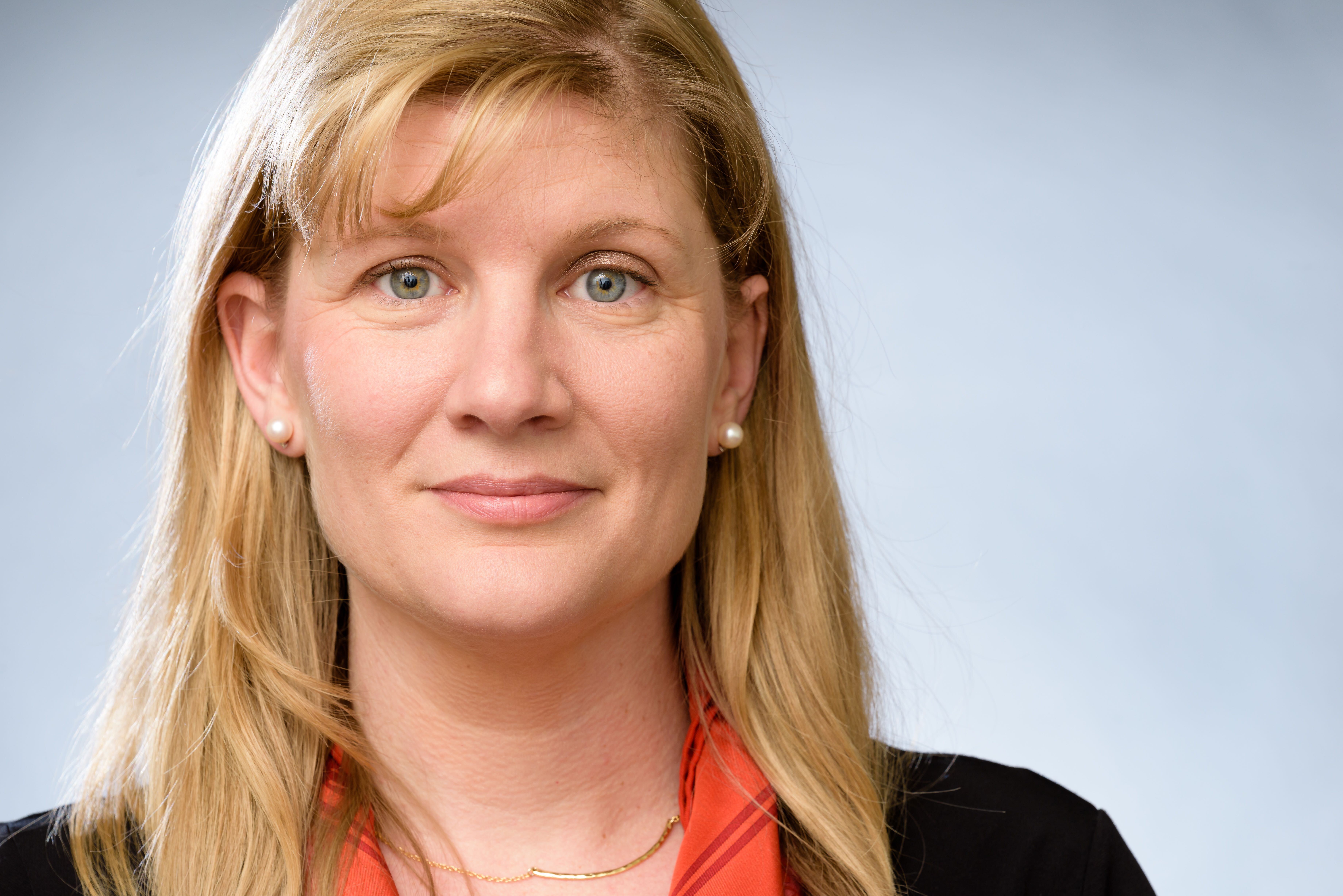 Colby Tofel-Grehl (ct3279@tc.columbia.edu) (ORCID: 0000-0002-4270-4060) is Vice Dean of Teacher Education & School and Community Partnerships and an associate professor at Teachers College, Columbia. Her scholarship interrogates the structures, systems, and practices that foster inequities across STEM. She designs teacher professional development and curricular materials to support youth interest and success across STEM disciplines. Her research has been published in high impact journals such as the Journal of Research in Science Teaching, Journal of Science and Technology, Theory and Practice in Rural Education, Gifted Child Quarterly, and the Journal of Educational Research. Her funded grants exceed $26,000,000 of which she is principal investigator of over $20,000,000, including a prestigious National Science Foundation CAREER grant. Additionally, Dr. Tofel-Grehl has received multiple national honors and awards including the 2019 Award for Significant Contribution to Educational Measurement and Research Methodology from Division D of the American Educational Research Association, the 2020 Early Career Science Teacher Educator of the Year Award from the Association for Science Teacher Educators. In 2021 NSF’s ITEST Program recognized her grant, ESTITCH, as one of three nationally outstanding projects broadening participation in STEM. Finally, she was named a 2022 University of South Carolina & National Science Foundation Institute in Measurement Methodology in Rural STEM Education (IMMERSE) Fellow.
 Justice Toshiba Walker (justicetwalker@gmail.com) (ORCID: 0000-0002-4356-0396) is a Learning Scientist who studies what middle and high school students and teachers know, think, and do when learning with biotechnologies and computer science-enabled data science tools. His work draws on active learning perspectives in constructionism, design, and literacy to examine how teachers and students respond to contemporary STEM learning experiences in formal and informal environments. His work is informed by more than a decade of experience teaching in K-12 classrooms.
Walker has earned more than $4.2M in extramural funding from the National Science Foundation and the United States Department of Education (more than $2M of which he managed as Principal Investigator) and has secured supplemental funding to support key initiatives such as "Research Experiences for Teachers (RET) and "Research Experiences for Undergraduates "(REU) funding supplements. His work has been featured in Computer Science Education, Phi Delta Kappan, the British Journal of Educational Technology (BJET), Public Understanding of Science, and the Journal of Science Education and Technology. He currently serves as an Associate Editor for the Journal of Research in Science Teaching (JRST) and the Journal of Science Teacher Education (JSTE).
Walker earned a B.S. in Molecular Biology from the University of Miami (FL) and an M.S. in Engineering Biotechnologies and a Ph.D. in Teaching and Learning, both from the University of Pennsylvania.
The mission of NSTA is to transform science education to benefit all through professional learning, partnerships, and advocacy.