Jose Rivas’s AP Physics 1 students at Lennox Math, Science, and Technology Academy in Lennox, California, work on a rotational inertia investigation.
“I have converted several standard labs from AP Physics 1 to more engaging inquiry labs using NGSS [Next Generation Science Standards]. I want my labs to connect to my students’ lives, phenomena they see and feel every day,” says Jose Rivas, AP Physics 1 and engineering teacher at Lennox Math, Science, and Technology Academy in Lennox, California. “The old way [of teaching labs] was very procedural. Students had to follow steps and get a result, then answer questions at the end. It was very teacher-guided,” he says.
One lab Rivas revamped uses an Atwood machine, a physics laboratory device often used to demonstrate basic principles of dynamics and acceleration. The machine typically involves a pulley, a string, and a system of weights. “Students look at how mass affects acceleration when they find the weight of a penny using an Atwood machine…I tell [them], ‘You have a penny and equipment [I provide, such as rulers and stopwatches]. You have to figure out how much this penny weighs,’” he explains. He no longer gives students instructions for doing this.
“Students set up their procedure and decide what their claim is and how to support their data. The fun part for them is they develop a setup themselves. They compare their calculations to the penny’s actual weight,” he relates.
“Some students find out that pennies from different years have different weights. I ask them, ‘How does that affect your experimental design?’ Then they troubleshoot ways to decrease errors,” he reports. “It’s important that students get opportunities to fail and re-evaluate their original claim. It’s not about [getting] a specific result.”
Students can even “use other resources besides the pulley. It gives them an opportunity to be creative. Students control the lab and can explore,” Rivas observes. “We miss creativity in science and engineering. Students can still collect data and be creative.”
With the NGSS, Rivas contends, “students are given ownership of how they approach a phenomenon…[It really works when they can] identify the properties of a phenomenon they witness every day.” After identifying students who like baseball, for example, Rivas says he has those students conduct “a baseball bat analysis [in which] students develop their own claim based on what they want to analyze. How can they hit the ball on its ‘sweet spot?’ How does inertia affect the swing of a bat? Can a bat be made better? They come up with good ideas.”
When doing inquiry labs, Rivas stresses to students, “I’m not the repository of all knowledge. We need to look at resources [for finding the answers]…[It’s important to] not be afraid to say, ‘I don’t know.’” He tells new teachers, “You’re not going to get this the first time. It’s a process.”
When revamping labs, Rivas says he uses the NGSS Appendices because they “show you what growth should be for science and engineering practices. This helps with vertical alignment.” He also uses Page Keeley’s Uncovering Student Ideas book series. “They have good open-ended phenomena [and] inspire me to create my own scenarios to develop good investigations for my students.”
Transforming “cookie-cutter” labs to inquiry-based labs “takes a lot of time for the teacher, but it’s time I want to spend,” Rivas concludes.
‘Don’t Reinvent the Wheel’
Vanessa Wentzloff ’s philosophy about tweaking cookbook labs is expressed in the title of the workshop she hosted at a Michigan Science Teachers Association conference: Don’t Reinvent the Wheel: Creating Inquiry Experiences for Students. “Use what you already have,” the Avondale High School (Auburn Hills, Michigan) physics teacher urges. “Just modify it…Start with a lab or lesson you’re very experienced with, comfortable with, and passionate about.”
Wentzloff offers these steps for transforming cookbook labs:
Identify the Disciplinary Core Idea (content) and Science and Engineering Practice (skill) you wish to teach.
Find a lab, demonstration, or activity you already use to cover this content.
Explore how you can adjust this lab to meet your skill.
Decide when you’re going to do the inquiry experience and determine what purpose it serves.
Adjust the purpose and guiding question based on inquiry.
Keeping your skill in mind, determine what you want to keep from the original lab.
Create your inquiry lab, making it as student-driven as possible.
She acknowledges that when revamping labs, “you’re dealing with a mindset shift in the science department” because both new and experienced teachers can “have a learning gap, [and say,] ‘We weren’t taught to teach like this.’” Teachers can focus on students’ interests when choosing phenomena. “The phenomenon is my favorite part of the unit because I can see what students are curious about…[You can] go off script based on students’ interests or what they’re curious about.”
In true inquiry, Wentzloff maintains, “students have lots of questions that can be connected to other things.” For her energy and momentum unit, for example, her students came up with this driving question: Is hockey more dangerous than football? “We looked at collisions in football: Why are they dangerous? [Because of] the energy or momentum transfer,” she notes.
“We’ve been so rigid with curriculum, and now we have a chance to make it student-driven instead of teacher-driven,” she says. “Look at the content piece; don’t [lead] students in a certain direction…[Think] of the process instead of the right or wrong answer.”
During inquiry-based experiences, “the students will figure it all out and make most of the conclusions you’re about to say out loud,” Wentzloff quips.
For example, she changed her circuits lab by asking students to build circuits, then make conclusions. “I didn’t give them any vocabulary; they had to make inferences” and describe what they saw, she explains. “This was very challenging for students… Sometimes students won’t get it right away or will see different things than what you expect. But the phenomenon should lead to questions [on the teacher’s part]. ‘What do I need to know to teach it?’”
If teachers think they’ll have to buy a lot of new equipment and supplies to do inquiry, “that’s a misconception,” Wentzloff points out. “If you’re already doing these things in your classroom, then just modify what you’re doing and use what you have at your disposal.”
Preparing for Inquiry
While modifying labs and lessons to make them more inquiry-based as a sixth-grade teacher at Woodrow Wilson Middle School in Council Bluffs, Iowa, Jessica Rosenberg—now a K–12 science curriculum specialist for the Council Bluffs Community School District— says she discovered she “had to work up to that inquiry piece” instead of immediately doing guided and open inquiry with her students. During her first year of teaching, she says she “followed the stages of inquiry in order, but this didn’t work. I had to teach based on what students needed…I had to help students lead themselves a bit better, gradually prepare them to do that.”
First “I would teach lab safety skills and do the lab as is,” without any inquiry, she recalls. “The next time [I taught a lab], it was still more teacher-led, but somewhat student-led [so I could] push their thinking a little further. It helped them gain more confidence.”
Eventually her students became ready for guided inquiry. “I gave them a scenario and a suggested list of materials or let them create a poster,” Rosenberg explains.
Finally, they were able to do a lab or lesson with full inquiry because “they were more confident and willing to try different things,” she reports. “I asked students to solve a problem or make something better.” For example, when teaching about potential and kinetic energy, she asked students to create a bobsled track to keep athletes safe during the 2014 Winter Olympics in Sochi, Russia.
“One big misconception is that every lesson can be inquiry-based,” Rosenberg points out. “If the students don’t have the skills for it, you have to meet them where they’re at. Do scripted labs at first, then work up to student-led labs.”
Building students’ levels of confidence “is so hard because this generation feels like their every move is being looked at under the microscope” due to social media, she admits. “We need to teach them a level of acceptance of failure, that they won’t be outcasts [if they fail]. We need to build relationships with students and help them feel safe.”
Rosenberg says she has found “it helps to have a prepared list of probing questions to ask students, to prompt them, but not give away too much of the solution, guiding them when necessary.” In addition, teachers should “be flexible because students’ investigations may take a different turn. Maybe a student makes a connection that you didn’t anticipate. This makes the project even better,” she contends.
In a unit, “not every lab has to be inquiry-based,” Rosenberg maintains. She found what worked with her sixth graders was to have a driving question board featuring a topic or a debatable question. “Students posed questions on the board, and that helped keep them interested in the unit and allowed them to share ideas,” she recalls. “It helped me guide the conversation and hit the standards, tie in what students wanted to know based on the standards. Full inquiry came into play a lot more at the end of the unit,” although “not all students made it to full inquiry” because as sixth graders, they needed more time to develop the necessary skills, she relates.
Rosenberg determined whether students were doing full inquiry based on informal observations of “the percentage of how much I was doing versus the percentage students were doing. If students were [doing a high percentage], it was true inquiry,” she concludes.
This book will get young readers buzzing about bees! Next Time You See a Bee reveals the big impact these little insects have on the world. It shows how the physical features of bees make them pros at collecting and spreading pollen. It explains how bees pollinate flowers, allowing the plants to produce delicious foods such as apples, almonds, and peaches. It also introduces readers to the wide variety of North America’s native bee species, discusses why bees are threatened, and shares what readers can do to help.
This book will get young readers buzzing about bees! Next Time You See a Bee reveals the big impact these little insects have on the world. It shows how the physical features of bees make them pros at collecting and spreading pollen. It explains how bees pollinate flowers, allowing the plants to produce delicious foods such as apples, almonds, and peaches. It also introduces readers to the wide variety of North America’s native bee species, discusses why bees are threatened, and shares what readers can do to help.
This book will get young readers buzzing about bees! Next Time You See a Bee reveals the big impact these little insects have on the world. It shows how the physical features of bees make them pros at collecting and spreading pollen. It explains how bees pollinate flowers, allowing the plants to produce delicious foods such as apples, almonds, and peaches. It also introduces readers to the wide variety of North America’s native bee species, discusses why bees are threatened, and shares what readers can do to help.
This book will get young readers buzzing about bees! Next Time You See a Bee reveals the big impact these little insects have on the world. It shows how the physical features of bees make them pros at collecting and spreading pollen. It explains how bees pollinate flowers, allowing the plants to produce delicious foods such as apples, almonds, and peaches. It also introduces readers to the wide variety of North America’s native bee species, discusses why bees are threatened, and shares what readers can do to help.
Many middle and high school teachers are educated to teach science content—they don’t anticipate that one day they may be teaching it to students who need to learn both content and English. If the day has come when you’re facing that two-pronged challenge, here’s the resource you need.
Many middle and high school teachers are educated to teach science content—they don’t anticipate that one day they may be teaching it to students who need to learn both content and English. If the day has come when you’re facing that two-pronged challenge, here’s the resource you need.
Imagine what fun it could be for 3- to 7-year-olds to engage in a game of Prism Play or Magnetic Scavenger Hunt or Where Did the Shadows Go? Then imagine how convenient it would be for you if such activities came with the connections, standards, and assessments today’s early childhood educators need most. Your dream resource comes to life in this revised and expanded edition of A Head Start on Science: Encouraging a Sense of Wonder. It builds on children’s innate curiosity through 89 developmentally appropriate, teacher-tested activities in life, Earth, and physical science.
Imagine what fun it could be for 3- to 7-year-olds to engage in a game of Prism Play or Magnetic Scavenger Hunt or Where Did the Shadows Go? Then imagine how convenient it would be for you if such activities came with the connections, standards, and assessments today’s early childhood educators need most. Your dream resource comes to life in this revised and expanded edition of A Head Start on Science: Encouraging a Sense of Wonder. It builds on children’s innate curiosity through 89 developmentally appropriate, teacher-tested activities in life, Earth, and physical science.
Who knew that gecko feet inspired scientists to develop a stickier adhesive or that cockleburs in dog fur led to the invention of Velcro? Discovery Engineering in Physical Science uses these and other surprising cases of innovations sparked by accidental observations to teach about the amazing role of serendipity in science. The case studies in this new resource are a lively way to integrate engineering into your physical science classes.
Who knew that gecko feet inspired scientists to develop a stickier adhesive or that cockleburs in dog fur led to the invention of Velcro? Discovery Engineering in Physical Science uses these and other surprising cases of innovations sparked by accidental observations to teach about the amazing role of serendipity in science. The case studies in this new resource are a lively way to integrate engineering into your physical science classes.
Have you been wanting to probe your students’ thinking about major concepts in matter and energy? Have you been wishing for formative assessment tools in both English and Spanish? Then this is the book you’ve been waiting for.
Like the other 10 books in the bestselling Uncovering Student Ideas in Science series, Uncovering Student Ideas in Physical Science, Volume 3 does the following:
Have you been wanting to probe your students’ thinking about major concepts in matter and energy? Have you been wishing for formative assessment tools in both English and Spanish? Then this is the book you’ve been waiting for.
Like the other 10 books in the bestselling Uncovering Student Ideas in Science series, Uncovering Student Ideas in Physical Science, Volume 3 does the following:
English learners (ELs) bring a wealth of ideas, perspectives, and solutions to STEM education. However, according to a report from the National Academies of Sciences, Engineering, and Medicine (2018), the nearly 5 million students classified as ELs in public schools are falling behind when it comes to STEM education. Particularly, as it relates to learning science and mathematics, ELs lack opportunities to engage with challenging disciplinary practices and content.
English learners (ELs) bring a wealth of ideas, perspectives, and solutions to STEM education. However, according to a report from the National Academies of Sciences, Engineering, and Medicine (2018), the nearly 5 million students classified as ELs in public schools are falling behind when it comes to STEM education. Particularly, as it relates to learning science and mathematics, ELs lack opportunities to engage with challenging disciplinary practices and content.
English learners (ELs) bring a wealth of ideas, perspectives, and solutions to STEM education. However, according to a report from the National Academies of Sciences, Engineering, and Medicine (2018), the nearly 5 million students classified as ELs in public schools are falling behind when it comes to STEM education. Particularly, as it relates to learning science and mathematics, ELs lack opportunities to engage with challenging disciplinary practices and content.
English learners (ELs) bring a wealth of ideas, perspectives, and solutions to STEM education. However, according to a report from the National Academies of Sciences, Engineering, and Medicine (2018), the nearly 5 million students classified as ELs in public schools are falling behind when it comes to STEM education. Particularly, as it relates to learning science and mathematics, ELs lack opportunities to engage with challenging disciplinary practices and content.
Get help teaching one of the hottest topics in science with Understanding Climate Change, Grades 7–12. This nine-session module is written to be practical and accessible. It provides both extensive background and step-by-step instructions for using three-dimensional methods to explore this complex subject. It fits easily into a middle or high school curriculum while addressing the Next Generation Science Standards. The material can be covered in just three or four weeks or used in part to supplement your existing curriculum.
Get help teaching one of the hottest topics in science with Understanding Climate Change, Grades 7–12. This nine-session module is written to be practical and accessible. It provides both extensive background and step-by-step instructions for using three-dimensional methods to explore this complex subject. It fits easily into a middle or high school curriculum while addressing the Next Generation Science Standards. The material can be covered in just three or four weeks or used in part to supplement your existing curriculum.
Why I Am Voting YES for Science Teaching by Judy Boyle
I am an elementary teacher, not a science teacher. I teach everything from shoelace tying to technology. When I began teaching, my science content knowledge was at a minimal and when I taught science I tiptoed around it as if I were Indiana Jones navigating through the Temple of Doom.
I feared and avoided any science sessions at our state teachers’ conference and never considered attending an NSTA conference because I didn’t have the content knowledge that the middle and high school science teachers had. I was just an elementary teacher. I never thought of joining our state science organization or NSTA. After all, I wasn’t a science teacher. Then I got involved in a three-year professional development initiative on watershed studies from a local non-profit organization. They taught me content and the pedagogy behind the Framework of NGSS. These educators proved invaluable to me as do many of the other educators of science. They are “teaching” science and should be included in the NSTA title.
My students are my inspiration for becoming involved in science and NSTA. The change I have seen in them is phenomenal. They come to school because of science. My shelves, walls, and floors are covered with phenomena they have brought into school. The first thing they ask me when they come into the classroom is, “What are we doing in science today?” And, they ask at the end of the day, “What are we doing tomorrow?” They don’t consider writing in their science notebooks work.
They consider it theirs. It is full of writing, research, and math. It is full of STEM. I have seen them become the most incredible problem solvers, and engineers. They have become acutely aware of their world and how all the sciences work together to form it.
Now when I attend NSTA conferences, I set the goal of “Stepping outside of my content comfort zone.” When I attended the NSTA STEM Forum and Expo in Denver, I focused on physics. I was so inspired that it became the first science unit to teach in the fall. My students loved it! In Reno, my focus was chemistry. I can’t wait to share this knowledge with them.
While walking through my local airport after attending NSTA’s regional conference in Reno, Nevada, the handle of my NSTA rolling computer bag slipped out of my hand. The gentleman behind me picked it up, read the logo, and said, “Oh, are you a science teacher?” It took me a moment to realize and reply, “Yes, I am!” And, I truly believe I am a science teacher and that is how my students see me.
So, yes, I did vote for the name change! The new name is inclusive of all the educators who have enriched my life, my teaching and my students. I began to reflect on all the people who “teach science”. They do not consider themselves “science teachers” because they do not hold the certificate stating they are science teachers. But, in reality they are “teaching” science. Museum employees, state park guides, private businesses, forest service personal, preschool and elementary teachers, parents, and all other groups who teach our children science need to feel welcome in this organization. With the name change, they too feel respected for their contributions to science education.
What I feared became my inspiration. What I feared became my passion. It improved my “teaching” immensely, therefore, inspiring my students. This is why I vote for science “teaching.” It is inclusive to all of us who teach science.
Judy Boyle has been teaching in grades k-8 for over 34 years in the states of Vermont, New Hampshire, Idaho, and now Montana. She teaches grades k-8 at Divide School in Divide, Montana. She has been an MPRES teacher trainer for seven year and a trainer for the Northwest Earth and Space Science Pipeline for three years. She is on the National Science Teachers Association Board of Directors serving as the NSTA Preschool/Elementary Division Director and is the President of the Montana Science Teachers Association. She was awarded the Montana Environmental Education Association’s Teacher of the Year in 2011, and she is the 2016 Montana science recipient for the Presidential Award for Excellence in Math and Science Teaching. She is also a 2018 Montana Teacher of the Year finalist.
The mission of NSTA is to promote excellence and innovation in science teaching and learning for all.
I am an elementary teacher, not a science teacher. I teach everything from shoelace tying to technology. When I began teaching, my science content knowledge was at a minimal and when I taught science I tiptoed around it as if I were Indiana Jones navigating through the Temple of Doom.



 Join
Join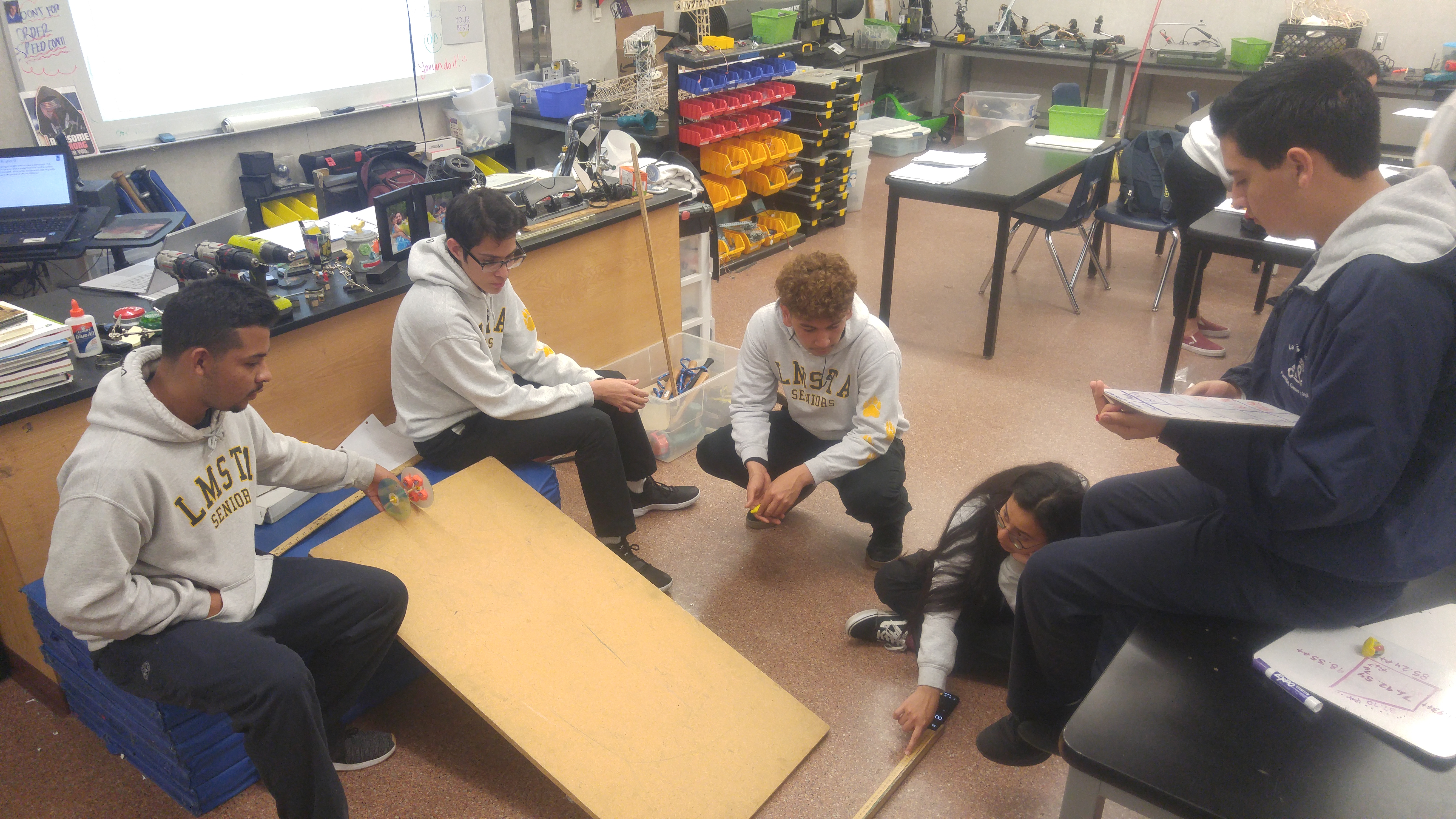








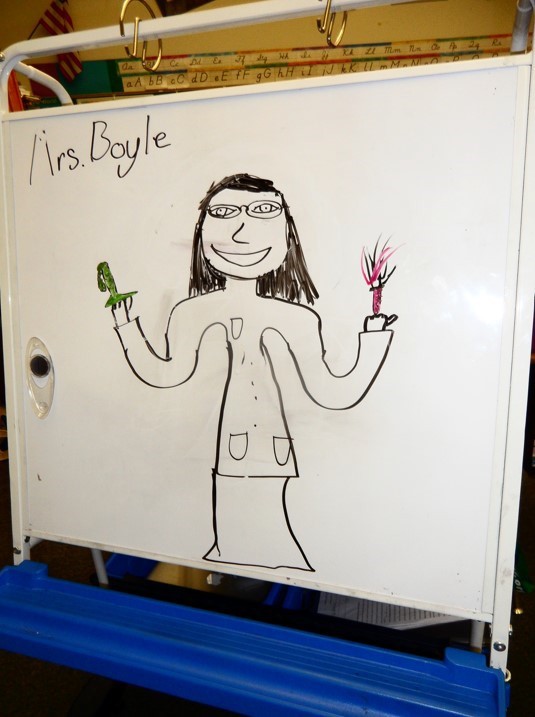 While walking through my local airport after attending NSTA’s regional conference in Reno, Nevada, the handle of my NSTA rolling computer bag slipped out of my hand. The gentleman behind me picked it up, read the logo, and said, “Oh, are you a science teacher?” It took me a moment to realize and reply, “Yes, I am!” And, I truly believe I am a science teacher and that is how my students see me.
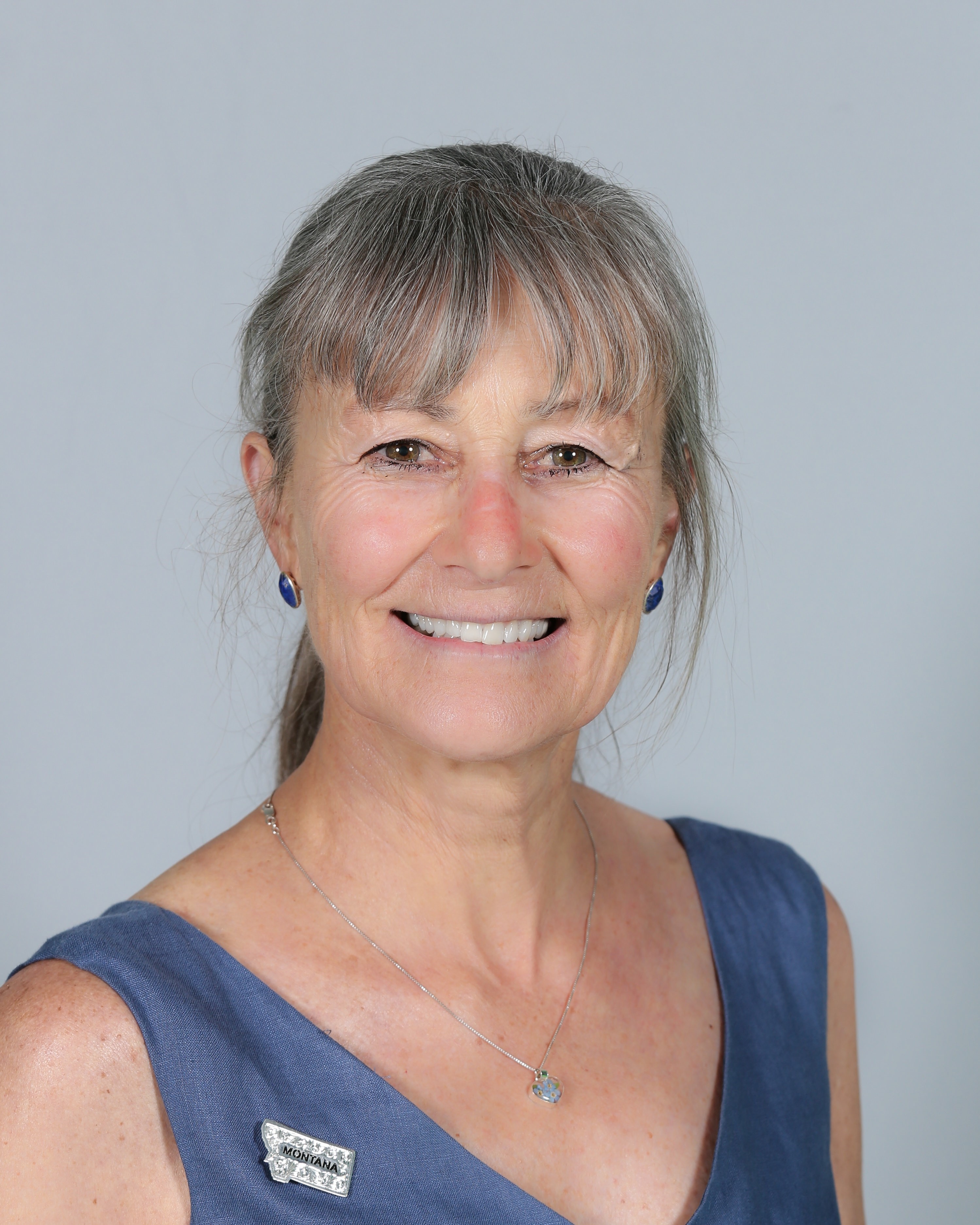 Judy Boyle has been teaching in grades k-8 for over 34 years in the states of Vermont, New Hampshire, Idaho, and now Montana. She teaches grades k-8 at Divide School in Divide, Montana. She has been an MPRES teacher trainer for seven year and a trainer for the Northwest Earth and Space Science Pipeline for three years. She is on the National Science Teachers Association Board of Directors serving as the NSTA Preschool/Elementary Division Director and is the President of the Montana Science Teachers Association. She was awarded the Montana Environmental Education Association’s Teacher of the Year in 2011, and she is the 2016 Montana science recipient for the Presidential Award for Excellence in Math and Science Teaching. She is also a 2018 Montana Teacher of the Year finalist.