 Join
Join2026 Winners
Shell Science Lab Regional Challenge

ELEMENTARY
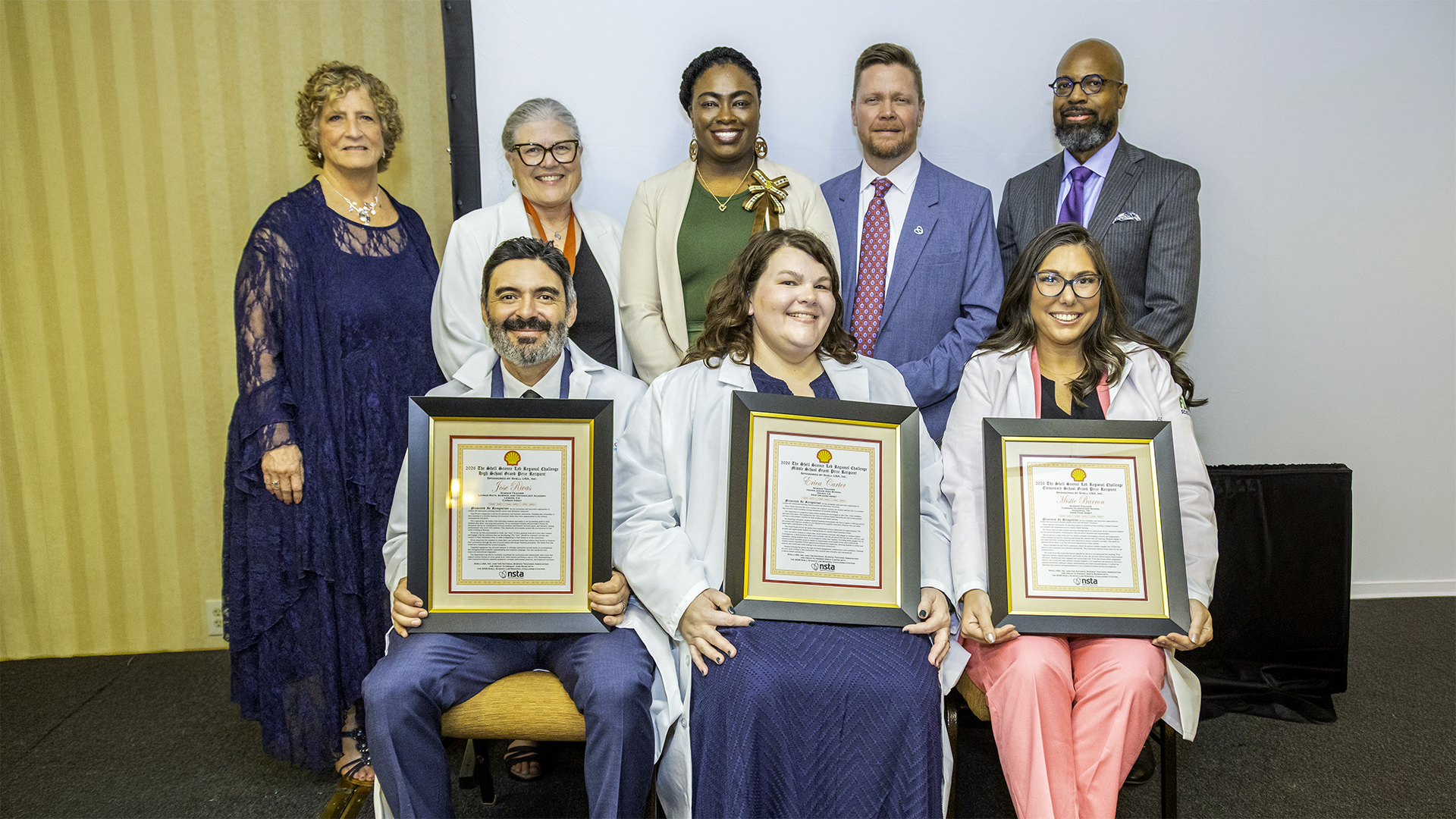
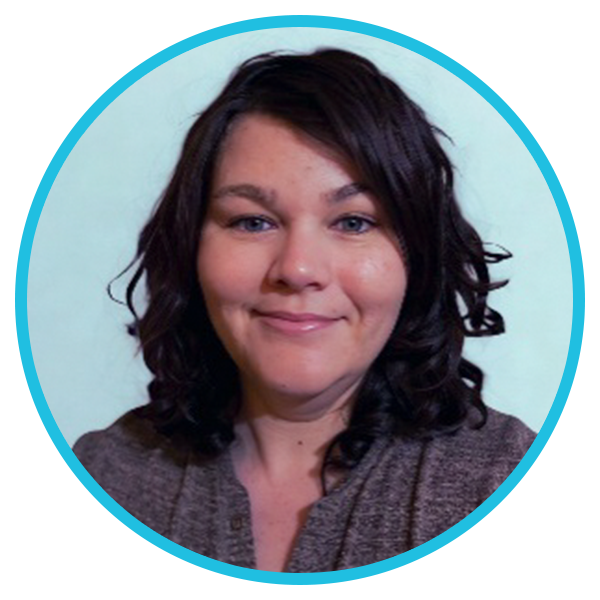
Mistie Barron
Fairmont Elementary School
Pasadena, TX
Mistie Barron’s philosophy for teaching science is centered around creating a student-focused environment that emphasizes active, inquiry-based learning. She firmly believes that students learn best through hands-on experiences. In her classroom, students are not passive recipients of information; they are active explorers and experimenters. Barron strives to make every activity student-centered, encouraging curiosity and engagement where students are actively exploring and testing the concepts they are learning. Students engage in lab-based activities, working directly with materials to explore scientific concepts. This hands-on approach allows them to see the real-world applications of their studies. Barron attended the fall NSTA conference, where she gained valuable insights into STEM best practices and connected with educators nationwide. This experience inspired many ideas for her lab transformation. The funds from this award that helped upgrade the lab has revolutionized her teaching. With organized cabinets, labeled resources, and hands-on kits, she can now deliver inquiry-based lessons efficiently. Students are more engaged and curious than ever. Tools like stream tables, adaptation stations, and circuit kits make abstract concepts tangible. Live organisms and interactive kits have sparked excitement, leading to deeper understanding and improved participation. It shifted her approach from teacher-led demonstrations to more beneficial student-driven investigations.
MIDDLE SCHOOL
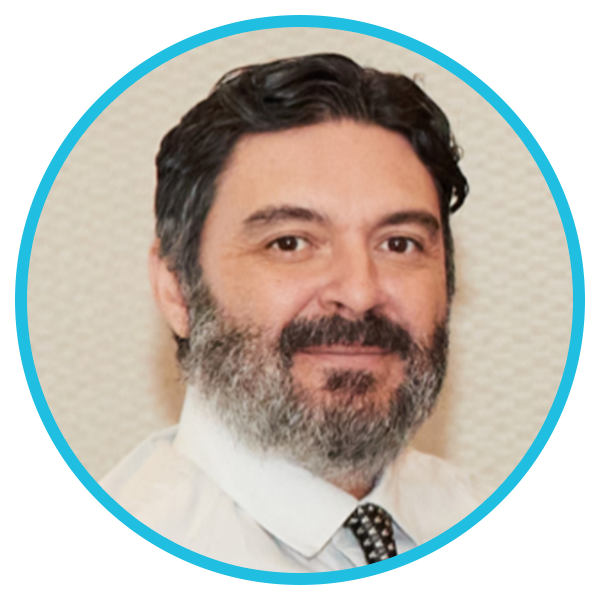
Erica Carter
Houma Junior High School
Houma, LA
Erica Carter believes that every student has a natural curiosity for science, and her role is to nurture that curiosity while building a strong foundation in scientific thinking. Her classroom is a supportive space where students are encouraged to take risks, make mistakes, and learn from them. She emphasizes the value of evidence-based reasoning and real-world problem-solving to help prepare students for both academic and career success. By fostering a dynamic, student-centered learning environment, she aims to ignite a lifelong passion for science and empower students to see themselves as capable, innovative thinkers who can make meaningful contributions to the world. The award funds for her lab update have transformed science instruction for approximately 700 seventh- and eighth-grade students by making hands-on, inquiry-based learning routine. New kits allow students to collect data, model abstract concepts, and engage in evidence-based investigations. A demonstration table with a portable sink has produced labs that are safe, efficient, and repeatable, letting students focus on investigation rather than logistics. Providing safety goggles for all classes ensured equitable access to hands-on experiments across grade levels, and a schoolwide weather station expanded STEM opportunities beyond her classroom, allowing students to collect and analyze real-world data while making cross-curricular connections. Student learning has grown through increased engagement, collaboration, and confidence. Students are now more willing to take intellectual risks, analyze data critically, and communicate evidence-based conclusions.
HIGH SCHOOL
Jose Rivas
Lennox Math, Science, and Technology Academy
Lennox, CA
Jose Rivas’s classroom is driven by autonomy and intrinsic motivation. Students take ownership of their learning in a flexible learning environment where they have opportunities to fail without consequences and grow. On a typical day, he works with individual students and teams to set up learning goals to help students plan short and long-term projects. Rivas minimizes lectures and provides a forum for discussion driven by collaboration between students and himself, between peers, and between visiting professionals who work with students. This classroom environment models the environment he had while working at Boeing. However, for this environment to work, the “why” of their projects must drive how they connect and engage with the solutions they are developing. The “why” should be culturally relevant and connect to their immediate lives, to what is happening in their homes or in the community. Rivas empowers his students to create their own personal brand that reflects their beliefs to improve their community through the lens of social justice and design thinking principles. The funds from this award have transformed his science program. Upgraded equipment has allowed teachers to redesign instruction around hands-on investigations that strengthen both scientific understanding and academic language. The new equipment also improved instructional alignment. The department was able to vertically coordinate the curriculum and intentionally select tools that support science literacy at every grade level. The state science proficiency rose to 55%, demonstrating a clear connection between updated equipment, stronger instructional practices, and improved outcomes.