


 Join
Join2026 Winners
Science Teaching Award
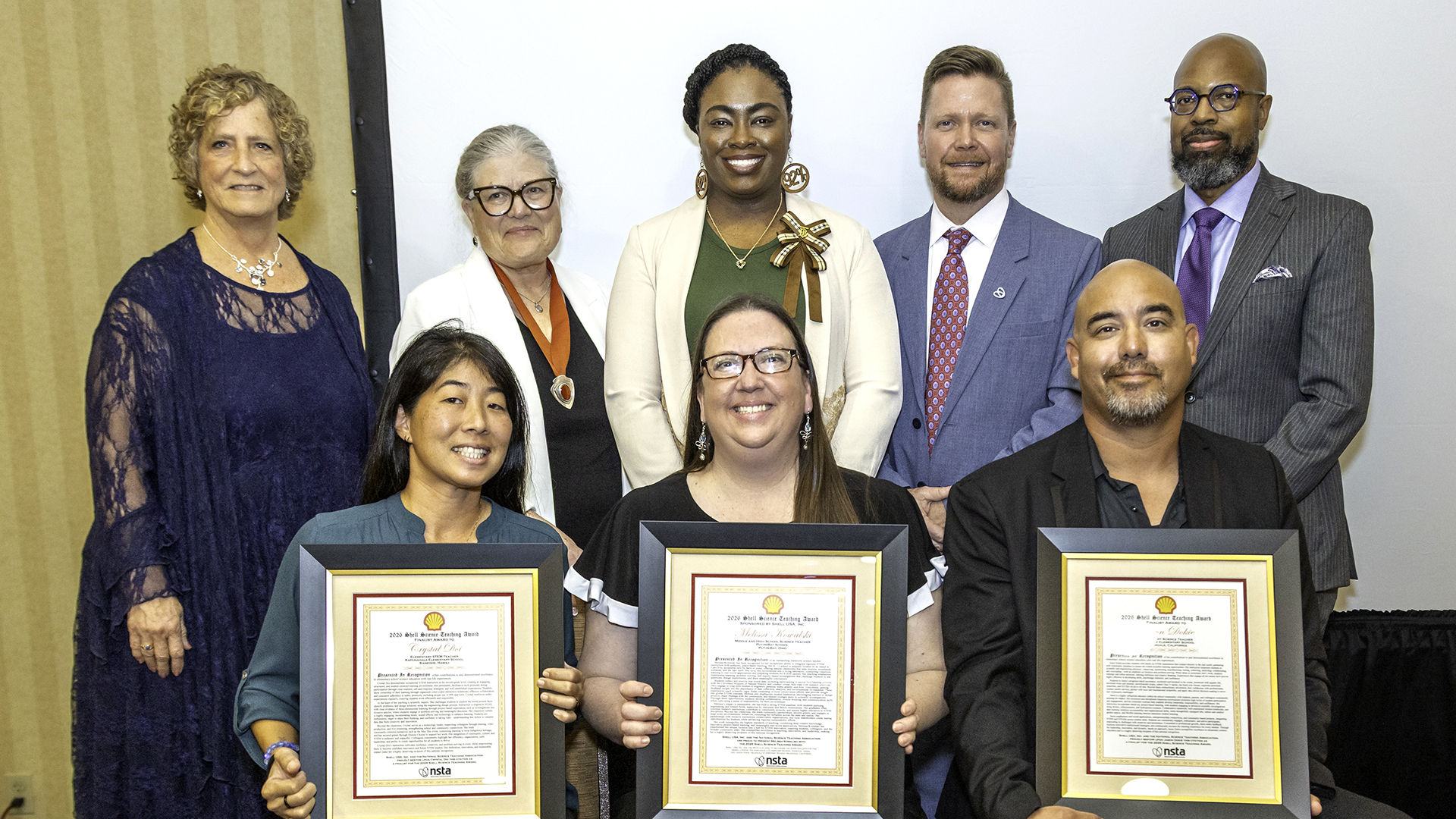
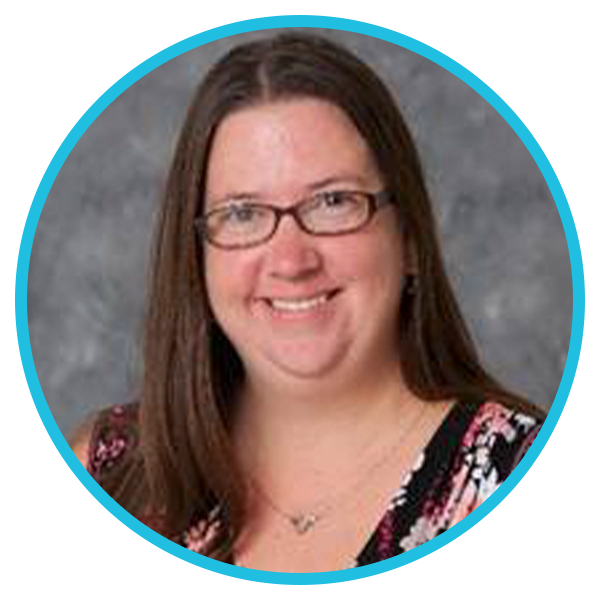
Melissa Kowalski
Middle/High School Science Teacher
Put-in-Bay School
Put-in-Bay, OH
Melissa Kowalski’s K–12 school building is located in a unique setting, on an island in Lake Erie accessible only by ferry or plane. This physical location offers environmental settings that are easily accessible within a class period, including Lake Erie and nature preserves boasting prairies to woodlands to wetlands. She uses the local environment as her classroom and strives to promote experiential learning. For example, she uses a nearby wooded nature preserve as an “outdoor classroom” and conducts virtual fieldtrips where students can directly chat with research scientists and industry specialists about their role. Students also collect and analyze real-world data, which gives them a better understanding of the process of science and why it is so important to be consistent with data collection methods. The school is in the direct path of various bird and pollinator migratory patterns. Each year during peak avian migratory season, Kowalski coordinates with a researcher from the Cleveland Museum of Natural History to take all K–12 students bird banding. They experience real-world science as they assist in collecting data on bird species, sex, weight, and more using industry tools and techniques. Students learn about the value of sharing their findings with others, which is further solidified by classroom analysis of the longitudinal data collected over decades, where students gain firsthand insights about the importance of their particular location to bird migrations. Through these experiences, students take ownership over the conservation efforts on the island that are designed to protect natural habitats from residential and commercial development.
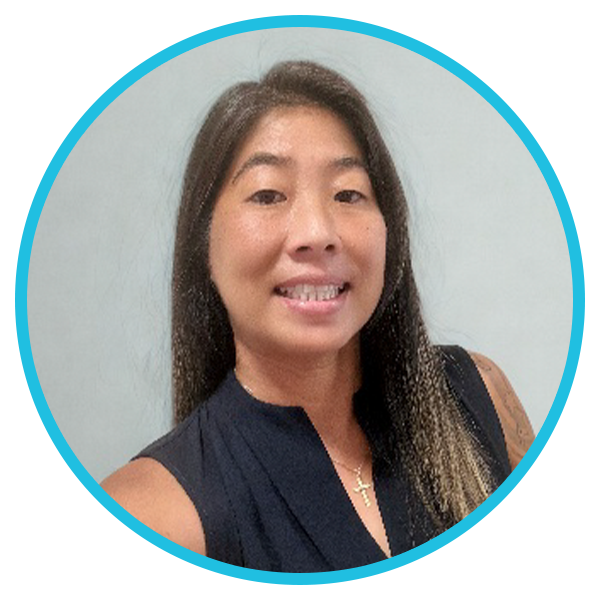
Crystal Doi
Elementary STEM Teacher
Kapunahala Elementary School
Kaneohe, HI
Crystal Doi believes that science isn’t just found in a book; it’s something you do. Her classroom is an active lab where students are scientists and engineers. She sees herself less as a teacher and more as a guide, helping students transition from soaking up information to becoming confident, 21st-century problem-solvers. The heart of her teaching is scientific inquiry. She challenges students to look at the world around them, find something interesting, and define their own problem to solve. Students use the engineering design process like a GPS for every project, naturally integrating all parts of STEM, which makes the learning feel real and relevant. Her students are always building and testing models. They’re figuring out how to use the technology, designing the solution, and using math to analyze results. She constantly changes projects to match what’s going on in the news or in the community. She makes sure her students know it’s okay to fail. She intentionally lets them try out crazy, innovative ideas. Failure is just really good data! These setbacks force students to think differently, collaborate with their peers, and push their solutions further. It builds their resilience and teaches them to be creative innovators. By giving students the confidence to fail and encouraging collaboration, she ensures that students whose strengths lie in design, manual dexterity, or teamwork—rather than purely traditional academics—can thrive. Her teaching ensures every child, regardless of background, develops the resilient, creative problem-solving mindset needed to become an innovative scientific engineer.

Jason Dokie
Elementary Science Teacher
Helendale Elementary School
Helendale, CA
Jason Dokie provides students with hands-on experiences in real scenarios while partnering with community members to ensure the best learning opportunity possible. Through STEM, all students apply scientific and engineering methods to observe, question, research, hypothesize, test, collect, analyze, collaborate, and conclude, which all apply to the real world. If their idea doesn’t work, then they re-design the prototype until it meets the needs of their solution. Experiences that excite all the senses have proven to be long-lasting and effective in skills development and knowledge retention. So, Dokie provides students with educational experiences that are dynamic with an overload of feedback. His students have hiked mountains, snorkeled and kayaked in the ocean, interacted with ocean and lake life, traversed rivers and streams, snowboarded slopes, rafted Class V rapids, zip lined over forests, submerged themselves in snowmelt waterfalls, and SCUBA dived to 60 feet. These experiences are unforgettable and truly a milestone in many of their lives. When working in any of his programs, his students network with professionals, interviewing them and collaborating to create new paths to solving problems. His students have surveyed and interviewed the public to determine a core problem in the community, partnered with local and international nonprofits, collaborated with city organizations, and sacrificed hours of their personal lives reviewing data to determine a conclusion. STEM education is more than a subject in a textbook—it’s a lifestyle of learning.