


 Join
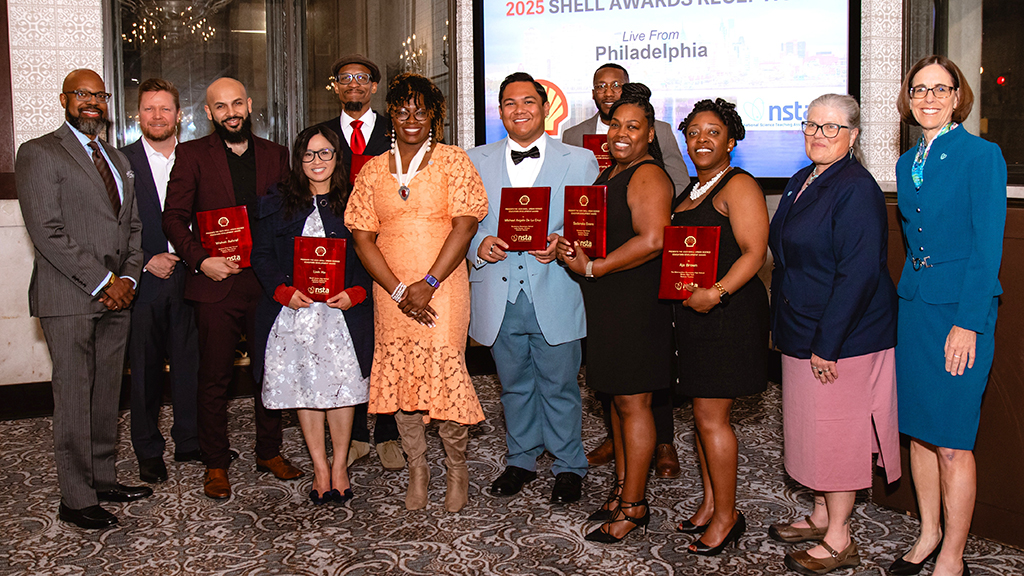
Join2025 Winners
Urban Science Educator Development Award
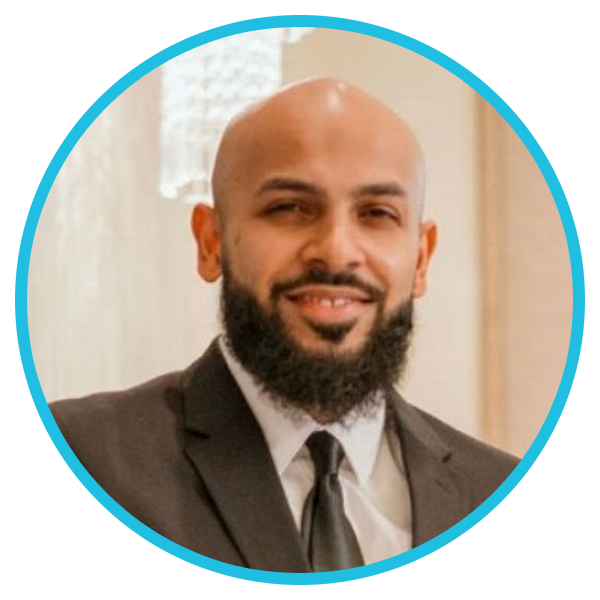
Wahab Ashraf
Science Park High School
Newark, NJ
As a 14-year science teacher Wahab Ashraf provides students with a well-rounded experience in science through conducting experiments, conducting research, collecting and analyzing data, and communicating information. His students use probes to collect live data and produce graphs that they can analyze, which help his students collect and process data. Ashraf encourages students to be advocates for designing solutions for communities. When addressing climate change, Ashraf taps into multiple sources of data and current disasters to allow his students to connect with the content. Every year Ashraf also mentors multiple teachers in school and around the district to help them design effective lessons, understand content, make meaningful assessments, and include strategies into their teaching. At the National Science Teaching Association’s national conference Ashraf hopes to find resources and strategies that are especially suited for STEM teaching so he can create better experiences for his students and colleagues. Participating in learning communities with experienced professionals allows for better understanding of material. Connecting with others to expand his network can benefit many people across the state, his school community at large, and ultimately his students.

Aja Brown
The Metropolitan Soundview High School
Bronx, NY
Aja Brown’s journey as an educator has been rooted in her belief that students learn best through hands-on activities. Brown strives to provide her students with opportunities to engage in meaningful, real-world applications of science. One example includes Brown designing curricula that integrate STEM components into engaging activities, such as students doing a Shark Tank–style presentation to develop their own environmentally friendly product, which makes science relatable and fosters creativity and entrepreneurial thinking. During the pandemic, Brown explored other content areas and created a STEM curriculum from scratch, integrating environmental science, engineering, and coding—subjects that are particularly relevant as the world shifts its focus toward combating climate change. Brown is eager to attend the National Science Teaching Association’s national conference where she can acquire resources necessary to build a more inclusive, engaging curriculum as well as network with like-minded educators. She looks forward to attending workshops that focus on effective approaches to delivering instruction through kinesthetic activities. She wants to create lessons that combine model building with inquiry-based activities to provide a mixture of learning opportunities. This approach will help students grasp complex topics, like electricity usage, solar energy measurement, and urban farming, while behaving like true scientists as they investigate real-world problems. Brown hopes to find sessions that provide insights on how to incorporate careers surrounding the environment into her curriculum as the workforce continues to evolve, particularly with the growth of green careers.

Michael Angelo De La Cruz
Smoketree Elementary School
Lake Havasu, AZ
As a dedicated STEM leader Michael Angelo De La Cruz is committed to advancing equitable and innovative STEM education in urban schools. As STEM Lead, he co-developed ROAR Time, a curriculum designed to address learning gaps intensified by the COVID-19 pandemic. Aligned with Arizona Science and Career Literacy Standards, it integrates The 7 Habits of Highly Effective People and targets cognitive, affective, and psychomotor domains to promote holistic student development. ROAR Time has significantly enhanced STEM engagement and proficiency, particularly among underrepresented students, ensuring that they have access to high-quality education. He also organizes the annual STEMazing Family Fun Night, the largest STEM event in the county, which draws over 500 attendees to interact with 25 hands-on STEM learning stations. Additionally, he leads professional development sessions to equip educators with inclusive and innovative STEM practices that address the unique needs of urban students. Attending the National Science Teaching Association’s national conference will provide transformative opportunities to deepen his expertise, refine his strategies, and collaborate with educators nationwide to address the unique challenges faced by urban science education. This experience will strengthen his ability to inspire students, support educators, and foster equitable opportunities in Arizona and beyond. The conference will equip him with the knowledge and connections necessary to drive meaningful transformations in STEM education in urban settings.

Sadereka Evans
Hampton High School
Hampton, GA
Throughout her 22-year career, Sadereka Evans has taught courses in physical science, biology, chemistry, environmental science, and AP biology. As a teacher of environmental science, she connects with fellow educators to promote student equity and increase student achievements. She recently facilitated a teacher workshop on culturally relevant classroom management and diversity in the science classroom, which resulted in more teachers receiving practical experiences and effective strategies for integrating learners from diverse backgrounds and various ethnicities in the educational environment. Additionally, she has collaborated with Engineering Tomorrow, which supplied students with the essential tools and materials to conduct bimonthly research and build diverse STEM projects. Evans also mentors new science teachers, which allows her to make an impact on teachers new to the field. Her passion is to help further the mission of recruiting and retaining quality teachers. While attending the National Science Teaching Association’s national conference, Evans plans to connect with STEM specialists to grow the STEM program she is building on her campus. She wants to participate in various workshops focused on inclusion in STEM to learn additional pedagogy on the inclusion of minority ethnic groups and students with disabilities and increase the representation of those individuals in STEM courses, training programs, and college career tracks.

Linh Ho
South Junior High School
Anaheim, CA
Throughout her science educator career, Linh Ho has fostered curiosity, critical thinking, and a passion for STEM among her students. Her teaching philosophy centers on empowering students as agents of change through hands-on, inquiry-based learning. Ho has developed innovative curricula that connect science to students' lives and the world around them. She teaches integrated science courses and other STEM electives, emphasizing real-world problem solving and project-based learning. Her students engage in designing nanotechnology solutions for climate change, analyzing ecosystem services, and coding with Micro:bit devices, which help students build collaboration, critical-thinking, and problem-solving skills. Her classroom prioritizes inclusivity, where students from diverse backgrounds feel supported and valued in exploring STEM. As a mentor teacher, Ho has guided educators in adopting innovative teaching practices, providing workshops on STEM integration, co-teaching, and culturally responsive pedagogy. Beyond the classroom, she is involved in advancing science education locally and nationally through her work on the NGSS Task Force and collaborations with organizations like the Environmental and Climate Change Literacy Project (ECCLPs), which focus on integrating sustainability and social justice into STEM. These initiatives help students see science as a tool for addressing global challenges like climate change and equity issues. Attending the National Science Teaching Association’s national conference will provide a unique opportunity to enhance Ho’s teaching, deepen her knowledge of innovative STEM strategies, and positively impact her students and colleagues.
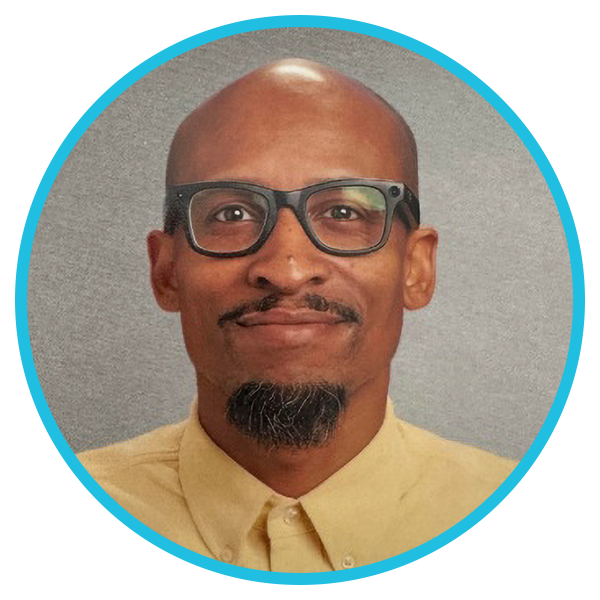
Robbie C. Keuchler Jr.
Northwood Academy Charter School
Philadelphia, PA
As a young biology and Earth space science teacher Robbie Keuchler gained a positive rapport with students very early in his career, which was the beginning of his journey toward school-based and individual professional development to improve pedagogical practices as an urban educator. This continued development would ensure that he could become a highly effective educator. Through Keuchler’s experiences with the National Science Teaching Association (NSTA), he has gained confidence to implement the practices into pedagogical practices through diagramming, content reading strategies, and hands-on science activities for increased student engagement. As a teacher in urban Philadelphia, he is always seeing opportunities to develop pedagogy and student content engagement skills. Attending the NSTA conference will help him develop and maximize the learning environment. At the conference he will interact with educational science vendors that can be used to enhance the science and STEM experience at his school. Additionally, he will attend sessions that support science reading strategies, which are vital to the success of students in the urban setting. As a content and team leader, he plans to use what he learns to support the development of his school science department.
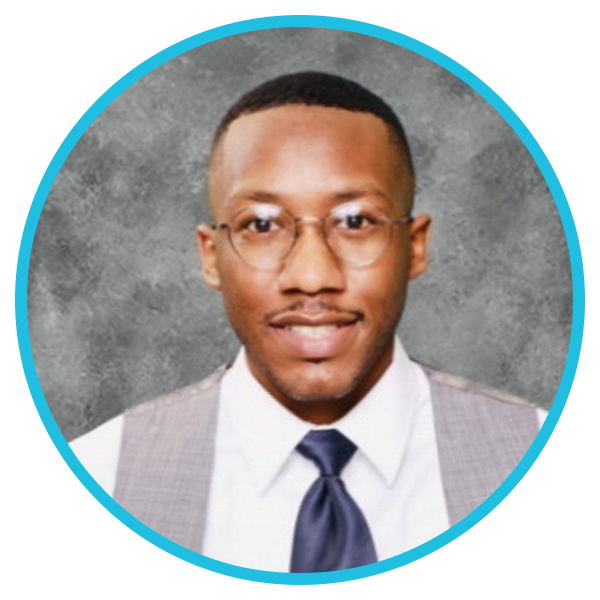
Jeromy Payne
John P. Freeman Optional School
Memphis, TN
Throughout Jeromy Payne’s collegiate endeavors and career, he has been passionate about science. When he entered teaching, he taught third grade and aimed to inspire his students to love STEM by engaging students in inquiry-based learning experiences. To further nurture their love for STEM, he became involved with the Future Leaders of STEM program offered at the school. As one of the sponsors, he assisted with several competitions, including helping students design an "egg drop" safety mechanism, creating an artificial hand capable of withstanding 8 pounds of pressure, and coding spheres using various algorithms. As a project-based learning advocate, he attempts to find ways to engage students with science while incorporating a real-world issue. During a recent school year, students attempted to answer the following driving question with an Environmental Science and Earth Science aspect: “How can we as historiographers trace, the origin, migration, path of fruits and vegetables uncommon to our geographical region and location?” From this driving question students explored different biomes and the impact of environmental factors on produce. While attending the National Science Teaching Association’s national conference, Payne would like to learn more about outdoor science and how it improves student achievement. He’d also like to learn about integrating critical pedagogy of place, which is important to giving students a sense of community in their urban environment. He also plans to gain more knowledge on the transformative power of community collaboration.