


 Join
JoinFrom Hesitation to Hands-On: Using Model Organisms with K–8 Students
By Cory Kavanagh, Van Andel Institute for Education
Posted on 2026-07-17
Disclaimer: The views expressed in this blog post are those of the author(s) and do not necessarily reflect the official position of the National Science Teaching Association (NSTA).
When we think about the use of model organisms in classrooms, we tend to think they are reserved for older students. We often envision intricate investigations that take up valuable class time and may feel overwhelming for younger students. Model organisms provide rich opportunities for scientific investigation, ethical discussions, alignment with the Next Generation Science Standards, and connections to human biology. It can be a big shift to incorporate these living organisms into our curriculum for K–8 students, but once I decided to take the plunge, I felt a shift in my classroom. It didn’t take long for me to realize our younger learners can benefit just as much as older students from having firsthand experience with model organisms.
One thing that we as teachers always wish for most is time: We never have enough of it and always want more. We can hesitate to try something new in science because we don’t want it to fail and have our students walk away without gaining some big “aha” moment from the lesson. On top of that concern, we are also responsible for keeping a living organism alive throughout the investigation. The beauty of using model organisms in the classroom is that even if the investigation fails or you run out of time to finish the investigation, your students will still learn so much through the process of science. Over time, I realized that the true value of model organisms is not in achieving perfect experimental results, but in creating authentic opportunities for students to think and act like scientists.
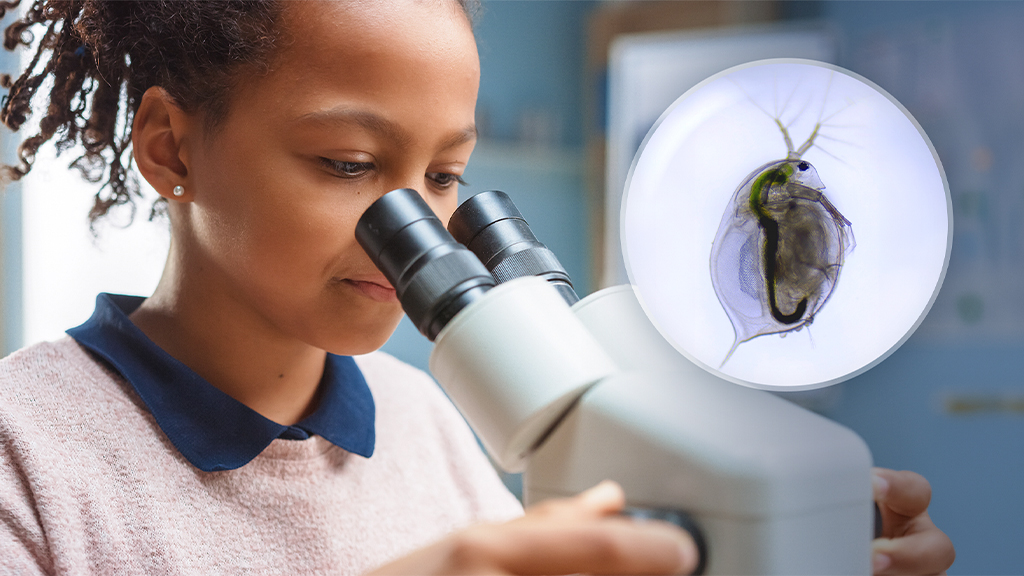
I still remember working with model organisms with my fifth-grade students for the first time. I decided to start small and use the Daphnia magna with my students. We started off by talking about what we can learn about humans when it comes to model organisms, which led to a great discussion about ethics and understanding how living organisms can help us learn about ourselves and the way our body’s function. From there, we explored the use of microscopes (with many of my students experiencing these for the first time) and ultimately found the heart rate of Daphnia. Students needed to persevere so they could focus on the microscope and see something so small as the heart of Daphnia. I will always remember the look of accomplishment on my students’ faces when they can confidently count the heart rate.
Once we had the base skills established, we were able to conduct an in-depth investigation. Students had the choice to look at the effect of caffeine, alcohol, or nicotine on Daphnia’s heart rate. Collaborating in groups, they were able to conduct their investigations and record their findings. We were not just doing science or learning science—the students were scientists right in my classroom. As we went through the scientific process, students came to their conclusions in their different investigations. They discovered that alcohol lowers the heart rate of Daphnia and caffeine and nicotine increases the heart rate. Reaching these conclusions was exciting on its own, but the real impact came when students connected those findings to human health. Students were able to make connections to human health and determined that these chemicals might not be great for humans to consume. The bridges that students built between model organisms and humans were fantastic. This experience made me want to try using more model organisms in the classroom, and I’m thankful I did.
One of the easiest ways for teachers to begin incorporating model organisms is to start small. Simple organisms like Daphnia magna, c. elegans, or plants can provide meaningful opportunities for observation and inquiry without requiring extensive preparation or equipment. Building short observation routines into the school day can also make investigations feel more manageable for both teachers and students. Most important, teachers should not feel pressured to have every lesson or investigation work perfectly. Some of the best scientific discussions in my classroom have come from unexpected results, failed investigations, and student-driven questions. By bringing model organisms into our classrooms, we create opportunities for students to experience science as an active process rather than a collection of facts to memorize. When students are given the chance to observe, question, and investigate living systems firsthand, they begin to see science not as something confined to a textbook, but as something they can do themselves.
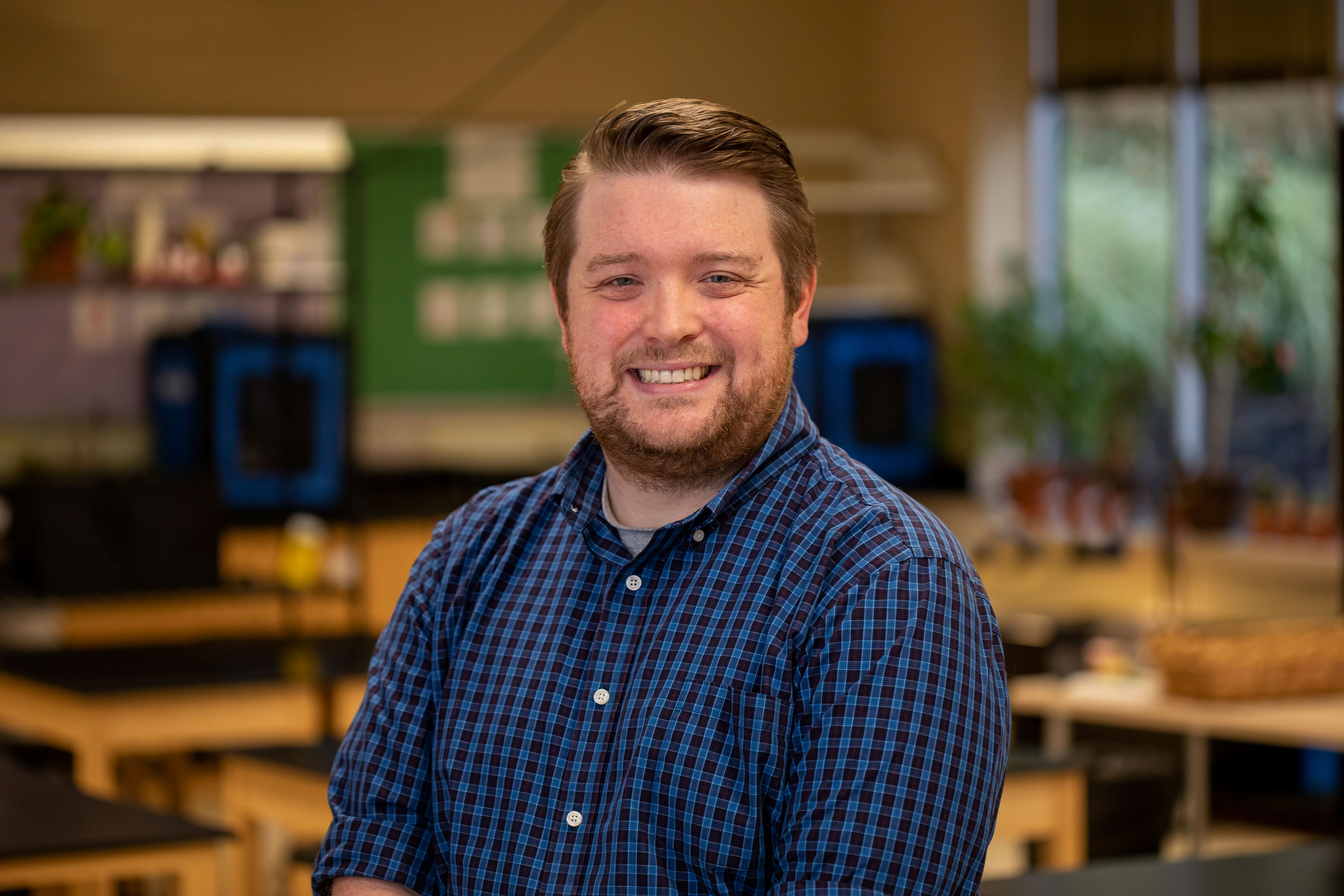 Cory Kavanagh is a learning specialist at Van Andel Institute for Education, a Michigan-based education nonprofit dedicated to creating classrooms where curiosity, creativity, and critical thinking thrive.
The mission of NSTA is to transform science education to benefit all through professional learning, partnerships, and advocacy.