
 Join
JoinLegislative Update
NSTA Advocacy in Action
By NSTA Legislative Affairs & Advocacy Team
Posted on 2026-09-29
Disclaimer: The views expressed in this blog post are those of the author(s) and do not necessarily reflect the official position of the National Science Teaching Association (NSTA).
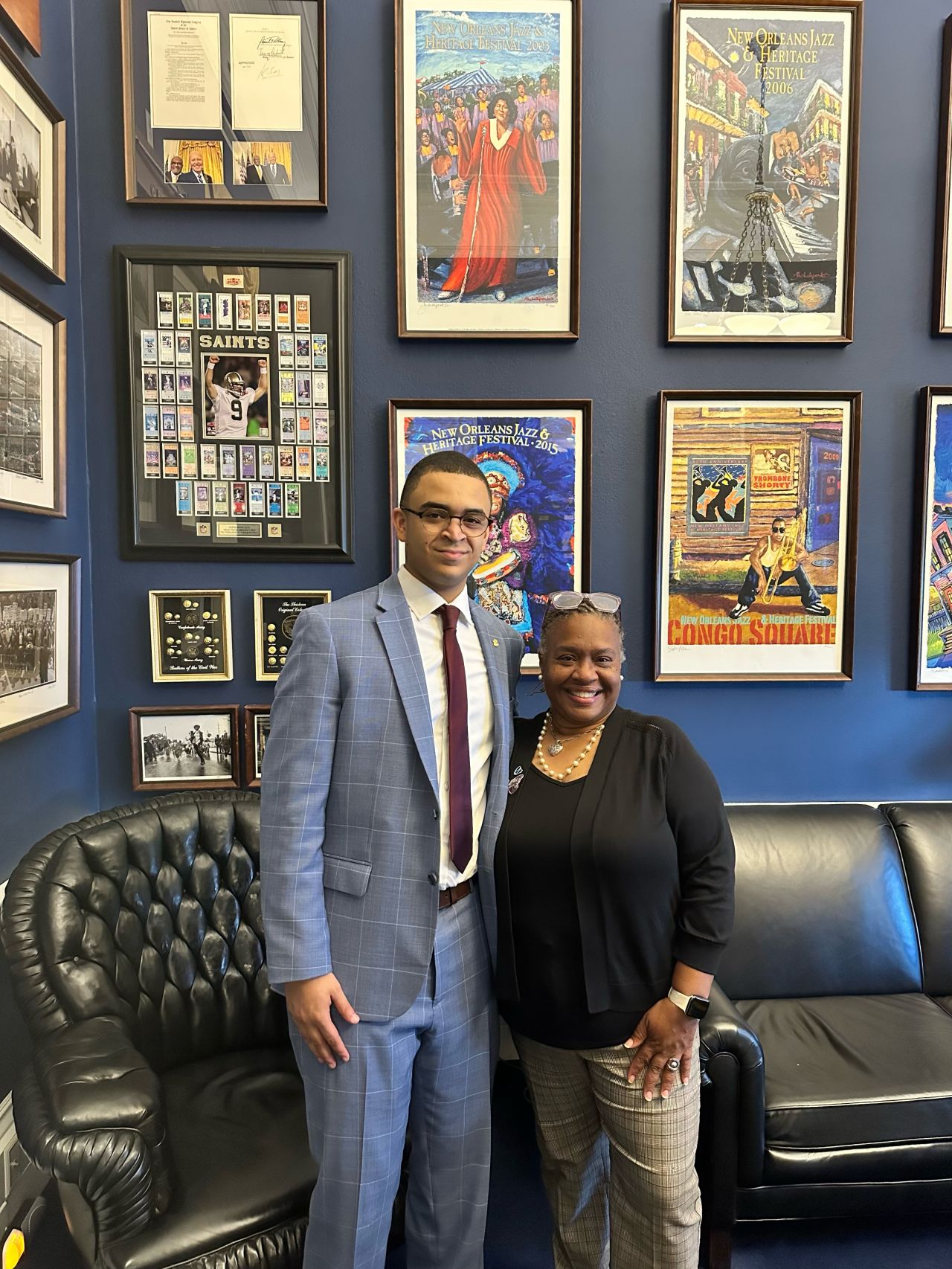
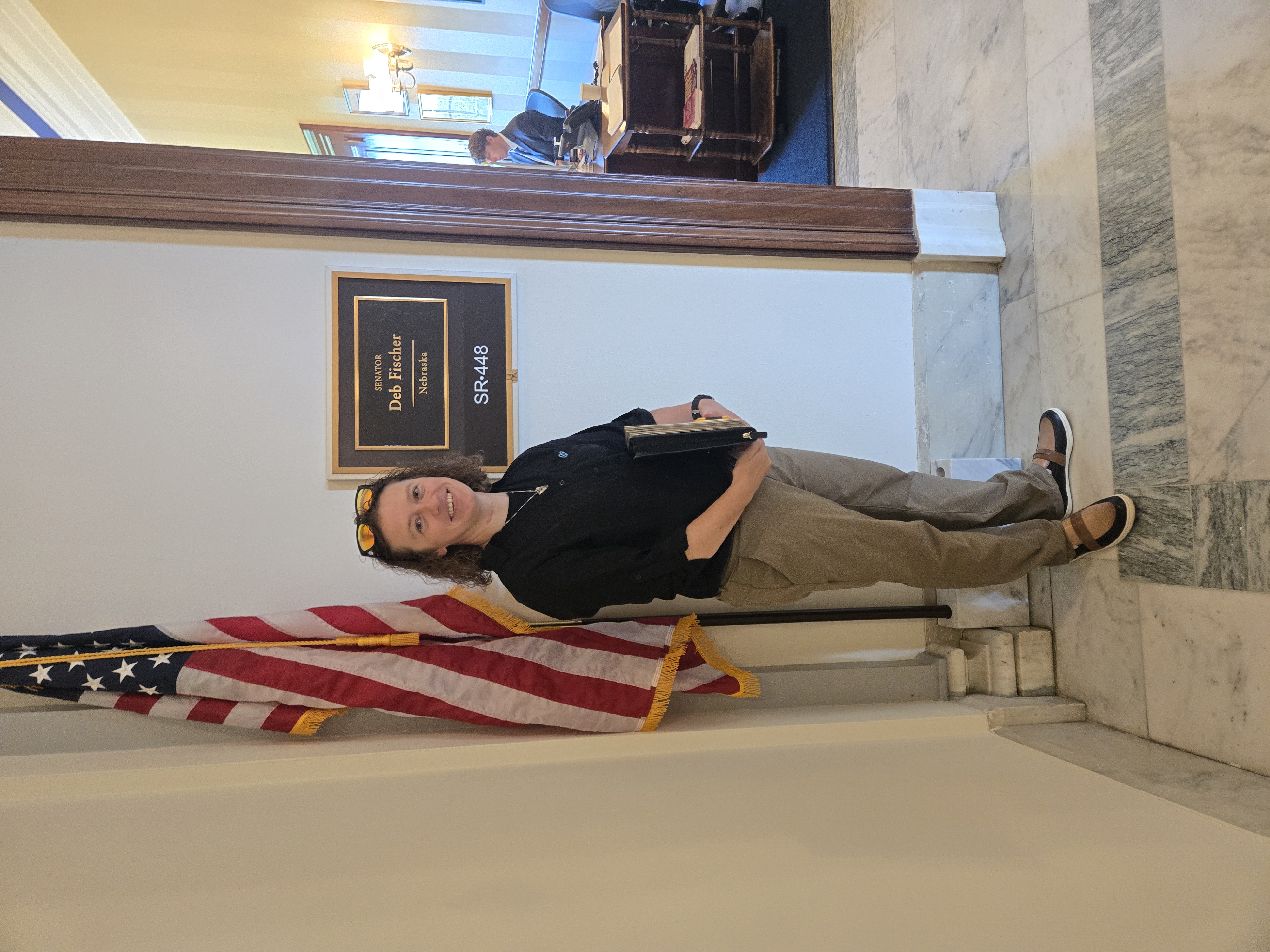
Earlier this month, ten representatives from NSTA—including NSTA President Donna Governor and NSTA CEO Bob Lay—came to Washington, DC, for a 2-day advocacy training before heading to Capitol Hill to meet with lawmakers. During the training, participants learned about key federal legislative issues, including the Administration priorities affecting science and STEM education and workforce development, the FY27 appropriations outlook, and Congressional STEM and workforce initiatives. After reviewing advocacy messages and effective meeting strategies, the group headed to the Hill for a day of meetings (25!) with their elected representatives in the House and Senate. Watch the recap video.
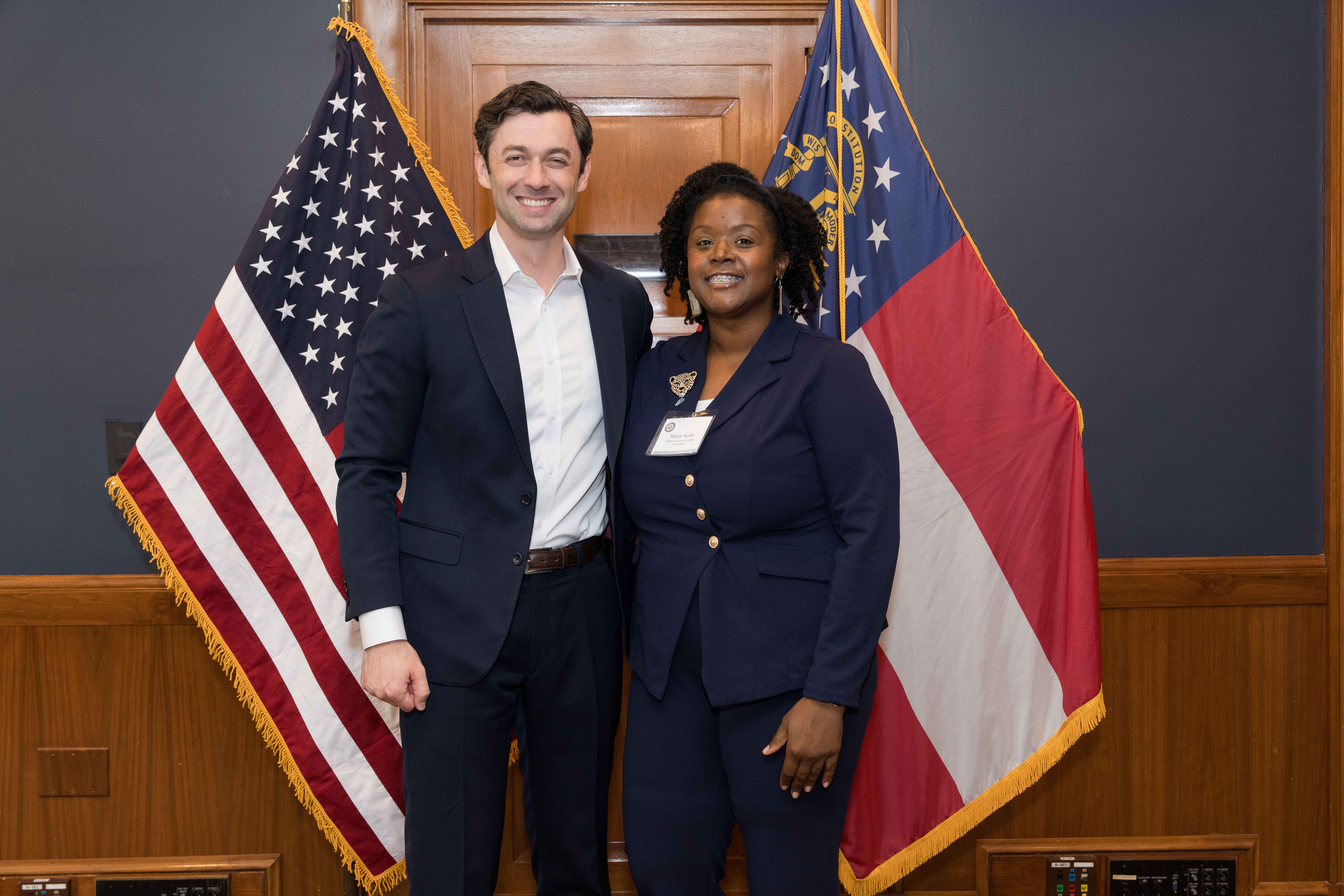
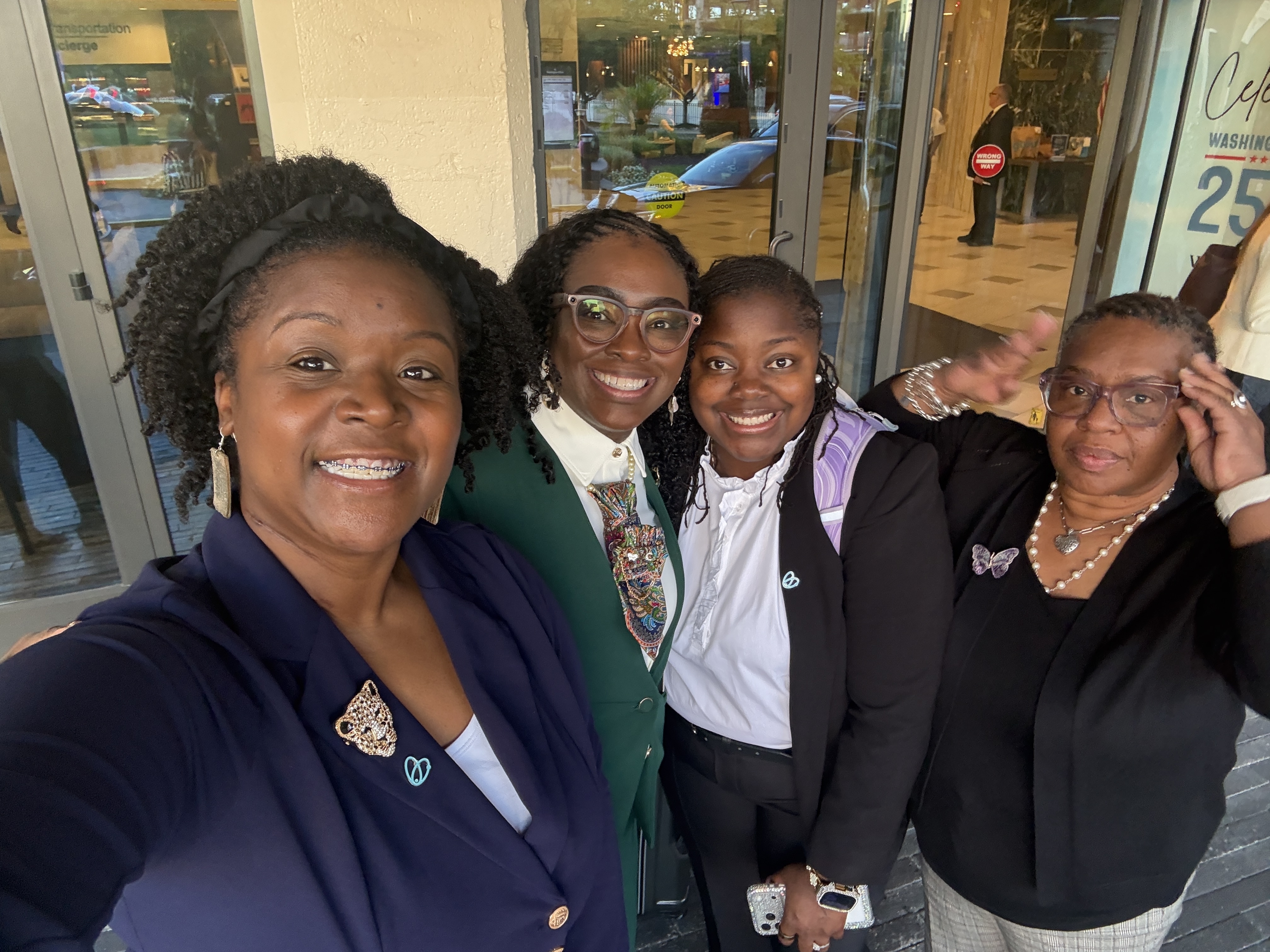
"It was great to be part of NSTA’s advocacy initiative!” said NSTA President Donna Governor, PhD. “Several representatives from NSTA participated. I met with a staff member from my congressman’s office, and with one of my senator’s staff members. I really found the process to be exciting and educational.”
In other news, NSTA has signed on to a letter to the Department of Education regarding new regulations to the General Administrative Regulations (EDGAR) which would have significant ramifications for the Institute for Education Sciences.
NSTA is quoted in the press release announcing the introduction of the Bipartisan Data Science and Literacy Act, which would expand access to data science education and ensure students have the skills needed to compete in an increasingly data-driven economy. Read more here.
Appropriations Update
Congress effectively took the threat of an October government shutdown off the table earlier this month while postponing the difficult decisions over fiscal year (FY) 2027 spending until after the November midterm elections. The House voted to approve the continuing resolution (CR) the Senate passed last month and President Trump subsequently signed the measure which will fund federal agencies and programs at approximately FY 2026 levels through December 11, 2026. When they return after the midterm elections, lawmakers will have more than a month to negotiate full-year spending legislation or enact another funding extension before the December 11 deadline. Stay tuned.
Federal Judge Strikes Down Executive Order Cutting Teacher Grants
On September 17, a federal judge struck down a 2025 order from the Trump administration that cut hundreds of millions of dollars in teacher-training money.
U.S. District Judge Angel Kelley in Massachusetts wrote in her order that the Education Department’s directive violated federal law and was arbitrary and capricious.
In February 2025, the Education Department cut about $600 million in grants for teacher training, characterizing them as supporting diversity, equity and inclusion efforts. The grants were intended to address teacher shortages. Read more here.
New Senate Caucus to Focus on Science and Innovation
On September 10, U.S. Senators Dave McCormick (R-PA) and John Hickenlooper (D-CO) announced the formation of the U.S. Senate Bipartisan Science and Innovation Caucus to highlight and elevate American scientific research and the application of those discoveries to promote innovation. Caucus members will work together with industry leaders and the research community to develop policies that promote U.S. leadership in science. Read more here.
Education Department Releases Learning Agenda Playbook
On September 9, the U.S. Department of Education (ED) launched a Learning Agenda Playbook designed to help state education agencies identify priorities, evaluate evidence, and direct resources toward strategies that improve student outcomes. The Department described the initiative as part of the Trump Administration’s broader effort to return greater authority over education to states and local communities. The Playbook provides a framework that states can adapt to their own students, schools, and policy environments. It defines a learning agenda as a strategic, multiyear plan through which a state education agency identifies its most pressing challenges, develops research questions, builds evidence to address those questions, and invests resources where they are likely to have the greatest impact. The Department’s Office of Elementary and Secondary Education and Institute of Education Sciences “developed, tested, and refined the resource” in partnership with the National Comprehensive Center and education agencies in Arkansas, Georgia, Idaho, Kansas, New Hampshire, Tennessee, Utah, and Wisconsin.
Democratic Senators Ramp Up Calls to Impeach Education Secretary Linda McMahon
“In 18 months as secretary, McMahon has made a series of changes to gut the department, including firing more than 40% of the agency's staff, closing regional divisions of the agency, and offloading core responsibilities to other federal departments through interagency agreements.” Read more from ABC News.
For the latest advocacy and policy updates, be sure to check out our Legislative Updates blog series, which is featured in our e-newsletters, NSTA Reports, and NSTA Weekly.
The mission of NSTA is to transform science education to benefit all through professional learning, partnerships, and advocacy.