


 Join
JoinSpark Curiosity This Spring
Citizen Science Month and 2.50 Million Acts of Science Will Connect Classrooms and Communities Across the Country
By Jill Nugent
Posted on 2026-04-01
Disclaimer: The views expressed in this blog post are those of the author(s) and do not necessarily reflect the official position of the National Science Teaching Association (NSTA).
As science educators, we know that science isn’t just a body of knowledge—it’s a way of knowing, thinking, and understanding the natural world around us. Opportunities for students to participate in authentic science practices can deepen their understanding of the world. One way to provide such opportunities is by incorporating citizen science experiences in the classroom and schoolyard during Citizen Science Month this April.
Citizen science refers to public participation in science. It can include activities such as observing local wildlife, monitoring weather, studying seasonal change, measuring water quality, and more. Citizen science opportunities are available in subjects ranging from astronomy to zoology and everything in between.
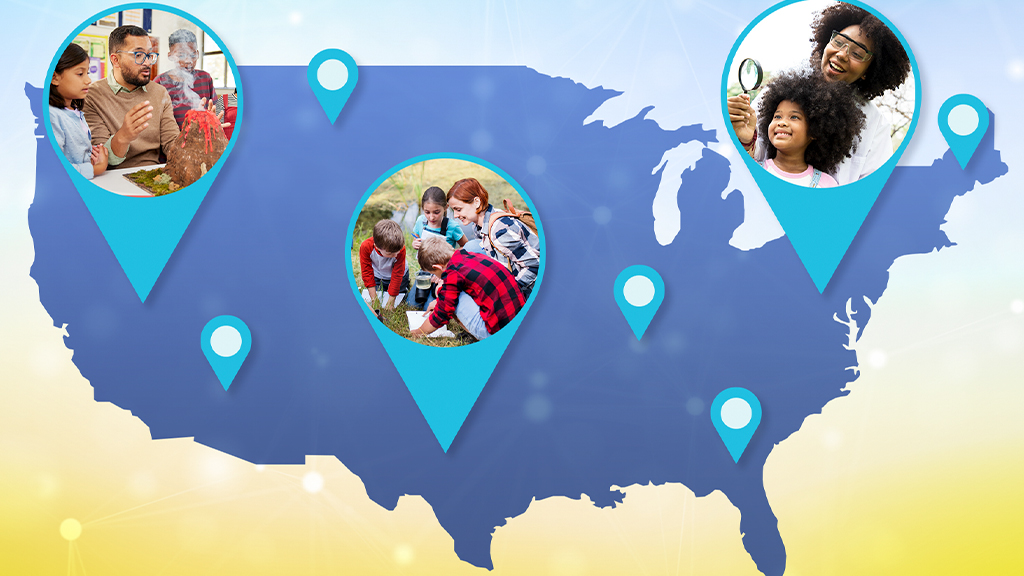
This April, Citizen Science Month aligns with a collective effort to document 2.50 Million Acts of Science to mark America’s 250th birthday. Acts of Science include a wide range of contributions, from submitting observations to participating in virtual events to completing introductory training. An Act of Science is any way that someone contributes to science during April. It all counts—and it all adds up. Everyone can play a role in shaping science through curiosity, contribution, and community, and classrooms can make a positive difference through these efforts.
This spring season, you may wish to bring Acts of Science: Connected to the classroom experience. Acts of Science: Connected is a live, interactive series of citizen science events designed to bring real-world science to you during Citizen Science Month. The weekly virtual sessions will each spotlight a different scientific project and lead researcher, encouraging participants to learn, engage, and contribute to real scientific discoveries together—whether in school, at the library, or from home.
Citizen Science Can Transform Learning
Engagement in citizen science helps make science tangible and relevant for students. Incorporating citizen science in the classroom, curriculum, and community provides the following benefits:
- Authentic engagement in science practices: Students move beyond simulated investigations and contribute to ongoing scientific research.
- Place-based learning opportunities: Projects linked to local environments help students experience science concept connections in their own communities.
- Cultivation of transferable skills: Citizen science activities naturally incorporate skills such as problem solving, communication, collaboration, critical thinking, digital literacy, data analysis, argumentation from evidence, and more. These activities provide a meaningful way for students to develop key skills that are applicable beyond the science learning environment.
- Development of science identity: When students see their contributions as part of a larger scientific effort, they may begin to view themselves as able participants in science—something they can carry with them throughout their lives.
Classroom Applications
Educators can incorporate citizen science in ways that align with curricular needs. For example, in one to three class periods, you may introduce a biodiversity project during a unit on ecosystems. Students could collect observations during a schoolyard walk, upload their findings, and then reflect on species diversity and the environmental factors that influence their results. If time allows, across a two- to four-week-long unit, students could regularly collect data in the schoolyard (weather data, for example). Students could track patterns over time and compare their findings with larger data sets, culminating in a student-created artifact on their project. Additionally, beyond the school day (and school year), citizen science engagement with family and in the community expands options for participation.
After students immerse themselves in and engage with science experiences, consider incorporating reflection questions such as the following for them to address in their science notebooks or journals:
- What patterns do you notice in the data you collected?
- How might your data contribute to a larger scientific question?
- What challenges did you encounter, and how did you address them?
- How does participating in this project change your understanding of how science works?
- What questions do you have after engaging in the citizen science project?
Citizen Science Month offers an opportunity to integrate these types of experiences into instruction.
As we approach America’s 250th birthday, Citizen Science Month helps us weave discovery into learning and action. Whether your students contribute biodiversity observations, analyze data, attend virtual events, or share their scientific stories, every action counts! To get started, explore projects, events, and educator resources on the Citizen Science Month website. Let April serve as a catalyst for curiosity and real-world science in your classroom.

Jill Nugent is a science educator and author of the NSTA journal Science Scope’s “Citizen Science” column, which features projects from SciStarter.org.
The mission of NSTA is to transform science education to benefit all through professional learning, partnerships, and advocacy.