 Join
JoinFrom a Textbook Prompt to an Authentic Conversation
By Alex Luciano
Posted on 2026-08-18

Disclaimer: The views expressed in this blog post are those of the author(s) and do not necessarily reflect the official position of the National Science Teaching Association (NSTA).
One afternoon in my fifth- and sixth-grade bilingual after-school program, my students were reading a short informational passage about astronauts. The reading described how astronauts train, live aboard the International Space Station, and receive supplies from Earth. It was a solid informational text, but by the time we reached the end, the energy in the room had faded.
The final prompt was simple:
What would you ask an astronaut?
The question itself wasn’t the problem; my students simply didn’t have much to connect it to yet.
Before asking them to answer, I paused the lesson.
“Before we think about our questions,” I said, “let’s see what it’s actually like to be an astronaut.”
We watched a BrainPOP Jr. video about life in space. As we watched, students started reacting to what they saw. They noticed how astronauts floated, how they worked, and what daily life looked like aboard the space station. When the video ended, students suddenly had much more to talk about than they had just a few minutes earlier.
I decided to try something different.
“Let’s make this more interesting,” I told them. “We can use AI to take on the role of an astronaut and have a conversation with our class.”
I opened our AI on the smartboard and gave it a role.
“Hi! I’m Mr. Luciano, and this is my fifth- and sixth-grade bilingual after-school program. My students just finished learning about astronauts, and they’re excited to meet you. Could you introduce yourself, answer their questions as if you were visiting our classroom, and ask them questions, too, so we can have a real conversation?”
The astronaut greeted the class, and the initial exchange immediately created excitement. Students began writing questions, with many quickly generating several and becoming eager to ask theirs first.
One at a time, they came to the smartboard, pressed the microphone, and spoke directly to the astronaut.
The questions came quickly:
“What do astronauts eat?”
“What do you do when you’re bored?”
“How do you sleep?”
And, as every upper-elementary teacher can probably guess, a student asked,
“How do astronauts use the bathroom in space?”
The astronaut answered naturally, but what made the experience different was what happened next. Instead of simply responding to each question, the astronaut kept the conversation going:
After explaining what astronauts eat, the astronaut asked students about their favorite foods at home.
After talking about life aboard the space station, the astronaut asked students what they thought would be the most exciting part of living in space.
Students weren’t just asking questions anymore—
they were having conversations.
Almost immediately, the atmosphere changed. Students who had been quietly reading a worksheet a few minutes earlier were eager for their turn at the smartboard. Some students who had planned to ask only one question quickly came up with several more because they wanted the conversation to continue.
Looking back, I realize I hadn’t changed the lesson very much.
The informational text stayed the same.
The speaking standard stayed the same.
The science content stayed the same.
The only thing that changed was the audience.
Instead of answering a question for their teacher, students were speaking with someone who responded to their ideas and showed curiosity about them in return.
As science educators, we work hard to encourage students to ask meaningful questions. Curiosity is at the heart of science. While we can’t always invite astronauts into our classrooms, today’s technology gives us new ways to create authentic conversations that make students feel like their questions truly matter.
This experience reminded me that sometimes the biggest improvement to a lesson doesn’t require changing the activity; it might simply involve giving students someone worth talking to.
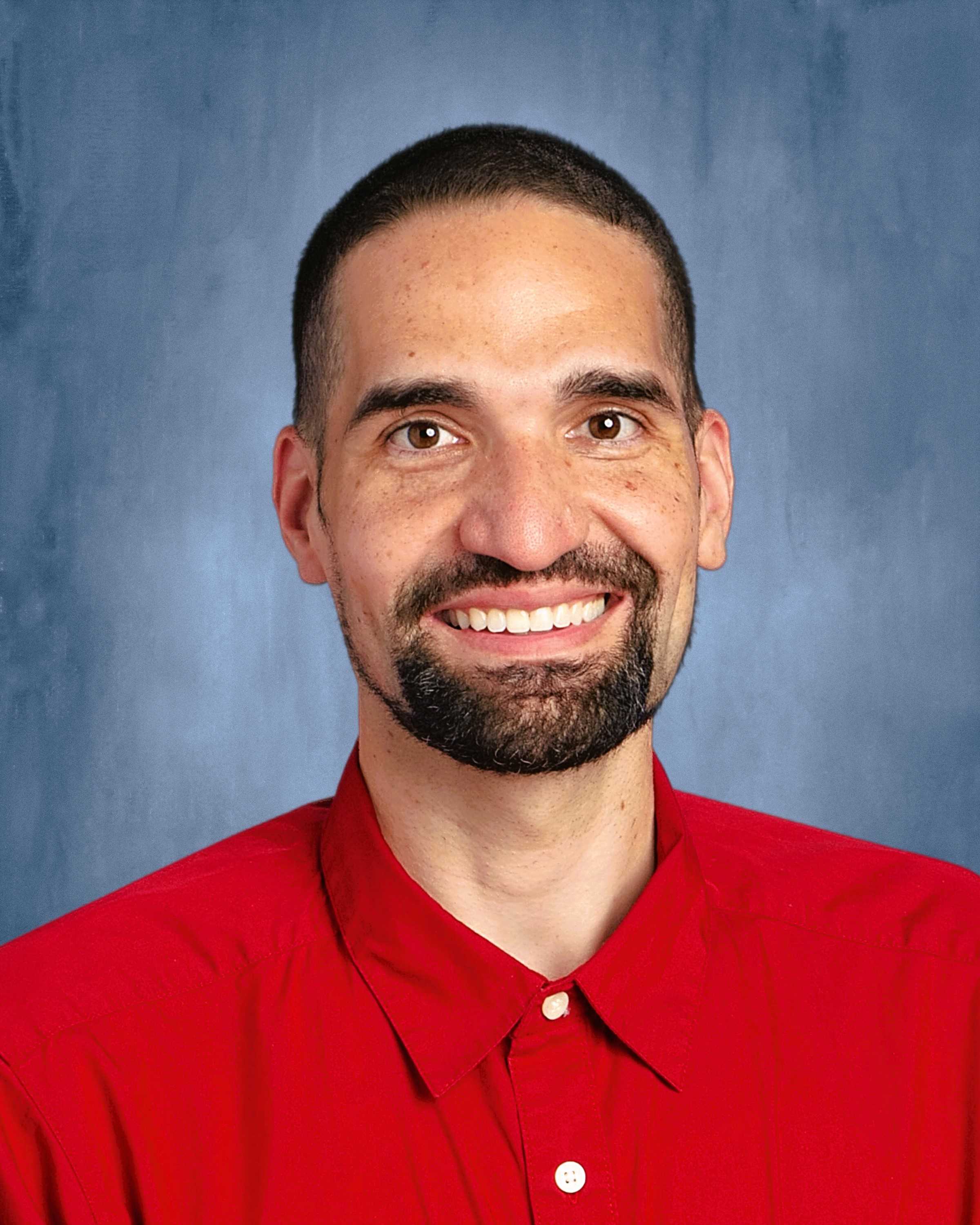 Alex Luciano is a second-grade bilingual teacher in Central Islip, New York, and he also teaches a fifth- and sixth-grade bilingual after-school program and English as a second language for adults. He enjoys designing authentic learning experiences that connect language, STEM, and emerging technologies to help students communicate, think critically, and stay curious.
The mission of NSTA is to transform science education to benefit all through professional learning, partnerships, and advocacy.