


 Join
Abstract
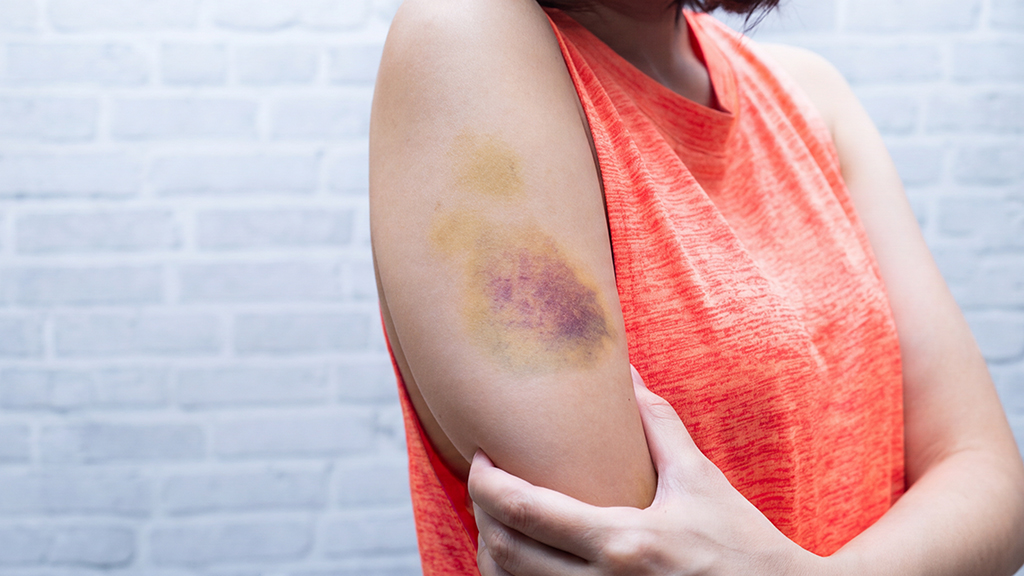
“Tessa” is a young mother who experiences unexplained bruising, frequent and severe nosebleeds, and bleeding gums, as well as fatigue and shortness of breath. Her doctor suspects a bleeding disorder. Students apply their knowledge of hemostasis to identify which steps may be impaired and how that could account for her clinical signs and symptoms. They then predict the results of Tessa’s blood tests and use the results to determine which step of hemostasis is dysfunctional. After learning that Tessa has immune thrombocytopenia (ITP), students draw on their knowledge of platelet physiology to predict what could have caused her low platelet count and how her condition might be treated. The case is written at a level appropriate for a two-semester anatomy and physiology (A&P) course taken by nursing, nutrition, athletic training, pre-occupational therapy, and other health-related majors in their first or second year. It could also be adapted for use in an advanced high school A&P course.