


 Join
Join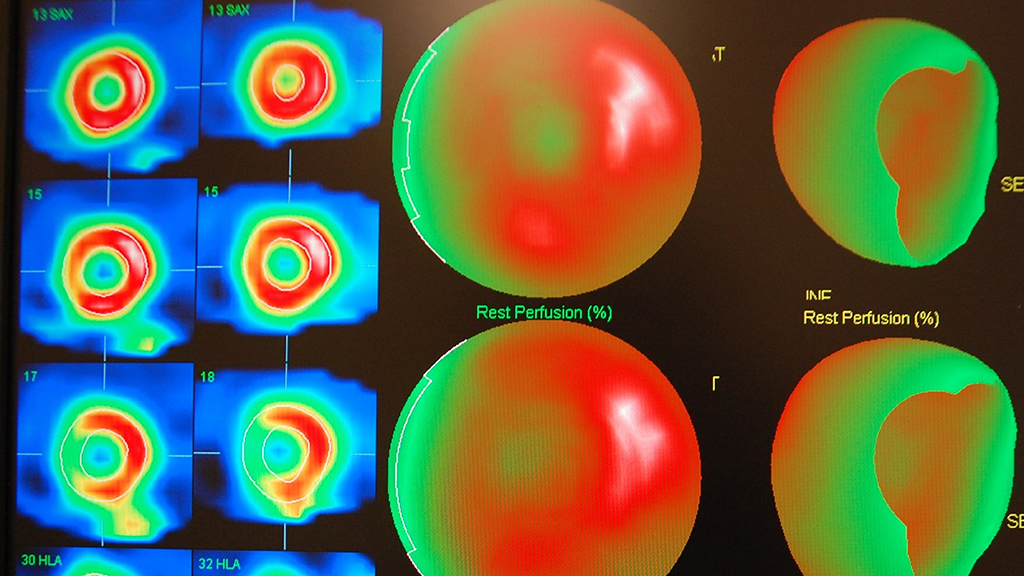
Abstract
This case study presents a conversation between a cardiologist and his patient, a science teacher with coronary artery disease who experiences chest pain when walking. The cardiologist recommends a cardiac imaging test, and in response to questions from the patient, the doctor provides details of the test, including source and dosage of radioactivity to be used. The doctor also discusses the short half-life of the radioisotope to be used and how this minimizes any harm from the procedure. The conversation and accompanying questions provide opportunities to learn or review core concepts in nuclear chemistry and relate these to applications in a nuclear stress test. The case provides students with an understanding of the relative safety of alpha particles, beta particles, and gamma rays. In addition, practice is provided in completing nuclear equations and half-life calculations. The case is suitable for use in introductory general chemistry courses for non-majors following lectures in nuclear chemistry.