


 Join
Join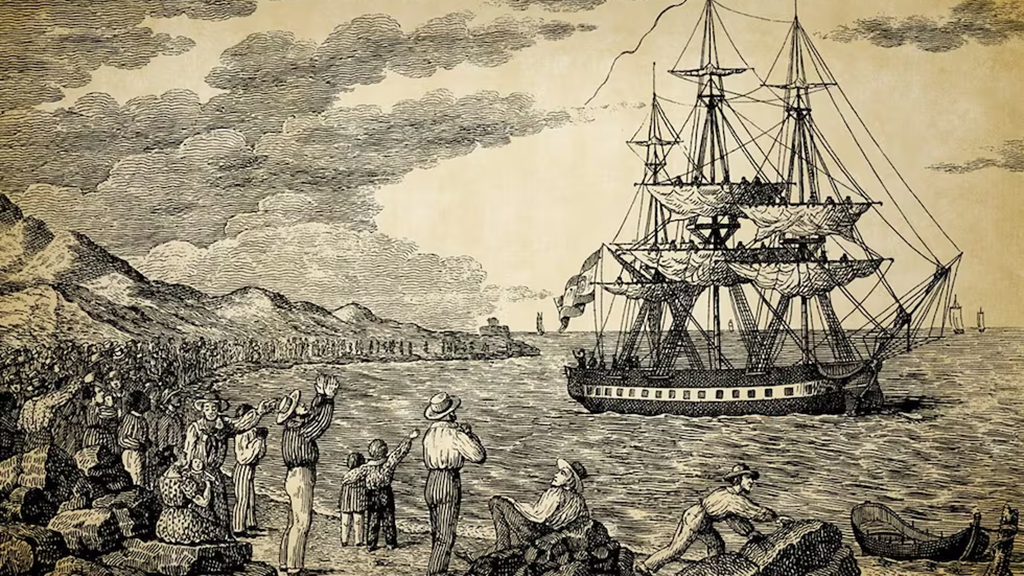
Abstract
This “clicker” case study examines the origins of the first widely distributed vaccine, Jenner’s use of cowpox to prevent smallpox, and the challenge of transporting functional vaccine strains over great distances. A PowerPoint presentation is used to tell story of the Royal Philanthropic Vaccine Expedition of 1803, more commonly known as the Balmis Expedition, the first global immunization campaign that brought the smallpox vaccine to Spanish territories in America and the Philippines. This story is used to teach students about the different types of immunity (natural, artificial, active, passive) and vaccines (subunit, attenuated, killed, mRNA) in terms of effectiveness, stability, potential risks, and speed of protection. Since the Spanish solution to the outbreak of smallpox in their colonies was unethical when viewed through a modern lens, it serves as an opening to discuss the Belmont Report and modern standards for ethical human subjects’ research. This case study is designed for use in biology or microbiology courses for non-majors, typically for first-year or transfer students majoring in biological sciences.