


 

Early Modern Human Migrations

A Simulation Game

By David S. Parker, David E. Gammon, Jennifer Uno, Jessica A. Merricks

Early Modern Human Migrations


Abstract

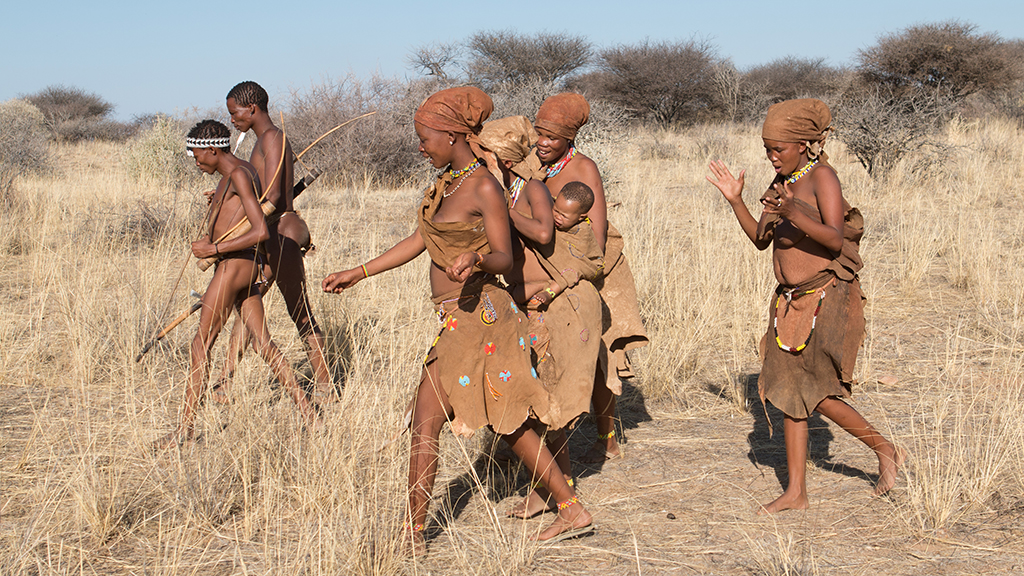
Undergraduate students are often unaware that early modern humans originated in Africa and that over many millennia many populations of humans walked thousands of miles across the Earth to become all the indigenous populations we see today. This case study includes simulations designed to demonstrate how human migration occurred over the last 100,000 years and how these ancient migrations can be studied by comparing DNA sequences from modern humans. In the simulations, students model these migrations physically by migrating around a large map of the world that is drawn on the floor. Completing this activity helps students develop a clearer appreciation for human origins and a greater understanding of the methods used by scientists to determine migration patterns. The case is designed for advanced high school (AP) or introductory college courses of biology, anthropology, social studies, history, or any other course that focuses on race or ethnicity.


Date Posted

02/12/2026

Overview

Objectives

  • Explain how scientists use AIMs to help explain the migration patterns of early modern humans across the globe.
  • Identify major migration routes and timeframes supported by genetic evidence.
  • Identify AIMs in hypothetical polymorphisms and apply their knowledge of AIMs to differentiate between various (hypothetical) human populations.
  • Differentiate between genetic features that confer biological traits (e.g., genes) and those that do not (e.g., AIMs).
  • Incorporate their knowledge of AIMs in their reflections about the differences among human populations, their geographic distribution, and the social construction of race.
  • Recognize the significance of scientific literacy in addressing misconceptions about race and ethnicity.

Keywords

Human migration; human evolution; ancestry-informative markers; AIM; polymorphism; 23andMe; ancestry; genealogy; race; ethnicity; human populations; geographic distribution; social construct; hominid evolution; ice age


Subject Headings

Anthropology
Biology (General)
Evolutionary Biology
Genetics / Heredity
Interdisciplinary Sciences
Science (General)

EDUCATIONAL LEVEL

High school, Undergraduate lower division


FORMAT

PDF, PPTX


TOPICAL AREAS

N/A


LANGUAGE

English


TYPE/METHODS

Game


Asset 2