


 Join
Join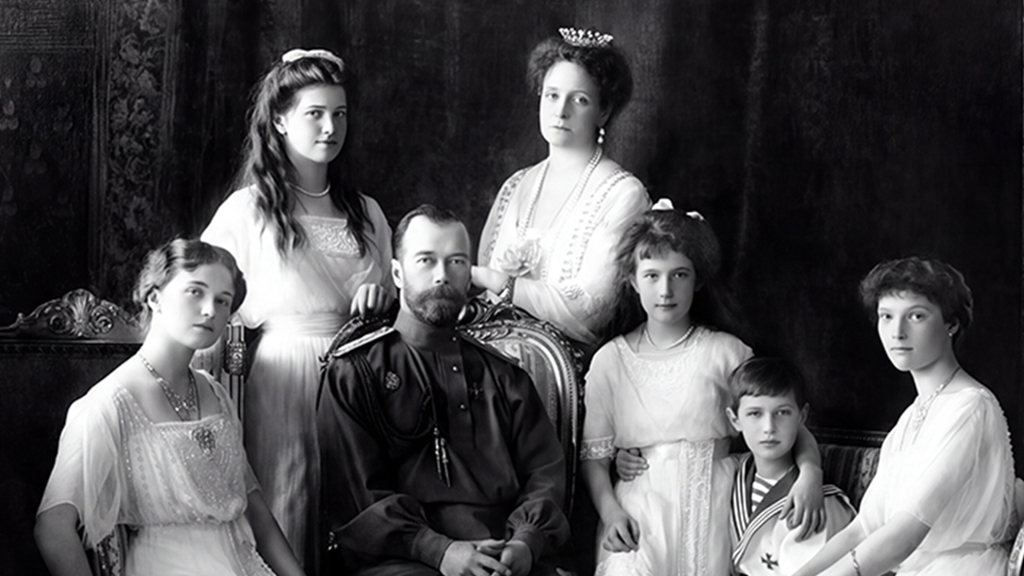
Abstract
This case study connects molecular techniques to a genetic trait while exploring an historically famous forensics case: identification of the remains of the Russian imperial family, who were executed in 1918. Students identify an X-linked trait (hemophilia) by pedigree analysis, explore the forensic techniques used to identify the Romanov remains, and then look at changes in the DNA sequence that caused hemophilia in Alexei Nikolaevich, the Romanov heir. While the complete case study was originally designed for an undergraduate genetics and molecular biology class, sections have been successfully adapted for use in a non-major’s introductory biology class to introduce various biotechnology techniques such as gel electrophoresis, polymerase chain reaction (PCR), and Sanger sequencing.