


 Join
Join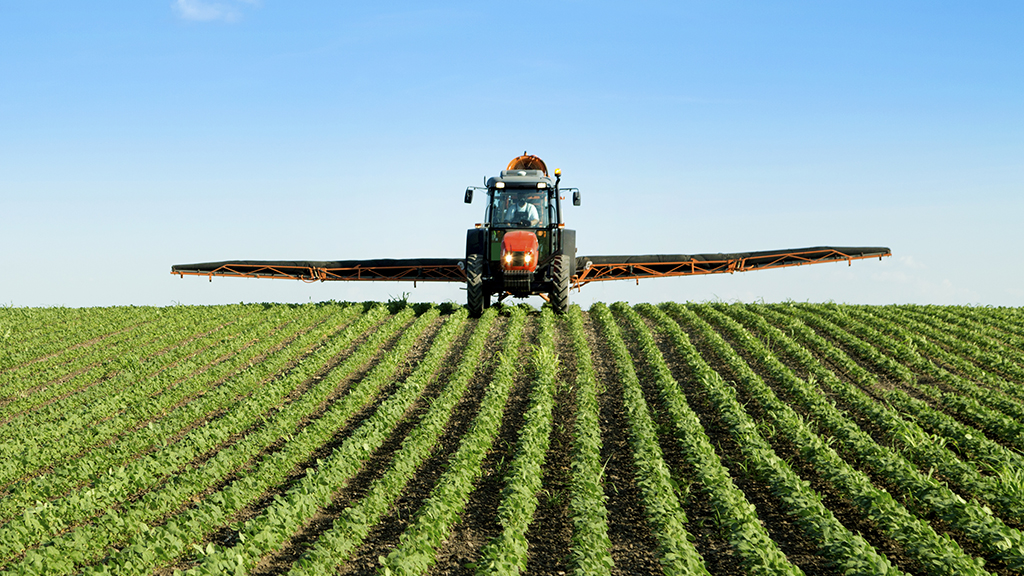
Abstract
This case study examines the seasonal occurrence, abundance, and ecological and human health implications of commonly used agricultural herbicides in Midwestern United States freshwater ecosystems. Corn and soybean production in this region relies on pre-emergent herbicides such as atrazine and metolachlor, which are frequently detected in nearby streams, particularly during late spring and early summer following rainfall events. Students read the case narrative and answer question sets regarding how agricultural practices, soil characteristics, land management, and precipitation patterns influence runoff into surface waters. They also consider various sub-lethal ecological effects on aquatic organisms, regulatory benchmarks for drinking water safety, and the importance of continuous environmental surveillance. The case can be used in a variety of lower-level undergraduate courses including introductory biology, environmental science, ecology, environmental health, water resources, and hydrology. It can also be adapted for upper-level courses if paired with additional primary literature, monitoring data, or management policy activities.