Volume 49, No. 3, January/February 2020
In this lesson, suggested for grades K-2, students learn about bee anatomy and behavior. They develop and test bee models to demonstrate their understanding of the interrelationships between plants and pollinators. After examining some of the controversies around bee decline, they also build a class mason bee hotel and develop educational bee posters to become advocates for the bees. This lesson promises to keep your students very buzzy!. Before beginning the lesson, we recommend reading Units I and IV, which are included in this book selection.
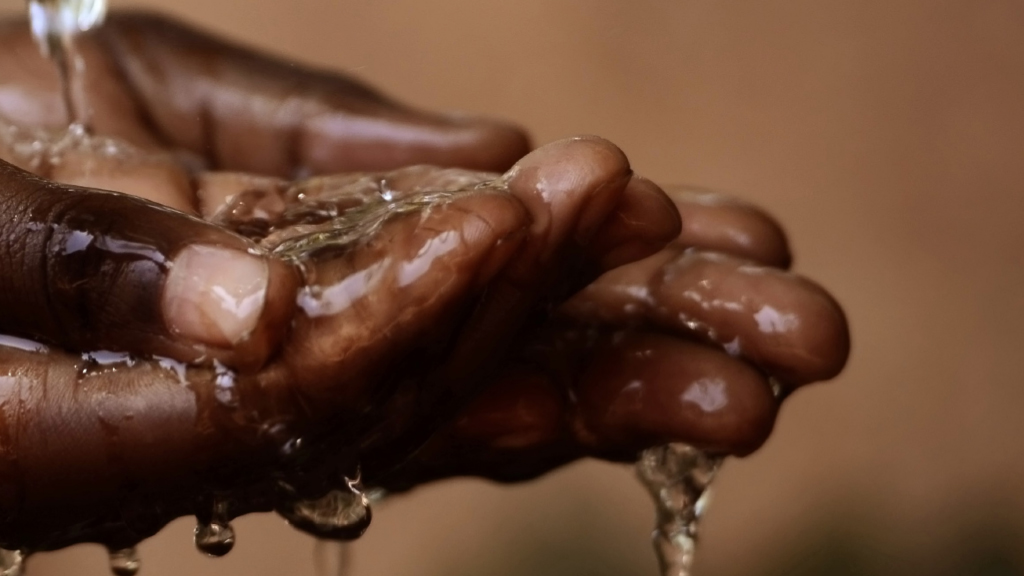
How Can We Provide Water for Developing Countries? 5E Unit Empowers Students to Solve the Global Water Crisis

Students use science knowledge and engineering skills to address a significant real-world problem.
This chapter provides recommendations for translating standards into instructional materials that are usable for those with the real task of teaching. The discussion provides an affirmative answer to the question: How can the BSCS 5E Instructional Model be used to implement the Next Generation Science Standards (NGSS)? The chapter draws on insights the author gained during his work on both the National Science Education Standards (NRC 1996) and the NGSS (NGSS Lead States 2013).
A diverse and curious group of classmates builds a robot to speed up the tray return line in the school cafeteria. Follow along as the invention takes these students on an adventure that combines imagination with science. Each child has the chance to share their unique ideas and perspectives as they test, revise, and improve their design. During their journey, the students learn how real engineers think and how to complete a project.
Safety Blog
Mercury Spills in the Science Instructional Space: Hazards, Risks, and Safety Actions
By Ken Roy
Posted on 2026-04-10

Lab Safety Considerations for Pre-Service and In-Service Secondary Science/STEM Teachers, October 19, 2026
Secondary Pre-Service and In-Service Teachers! Join us on Monday, October 19, 2026, from 7:00 to 8:15 PM ET to learn about safety considerations for the science laboratory.
Lab Safety Considerations for Pre-Service and In-Service Elementary Science/STEM Teachers, September 28, 2026
Elementary Pre-Service and In-Service Teachers! Join us on Monday, September 28, 2026, from 7:00 – 8:15 PM ET to learn about safety considerations for the elementary classroom.