
 

feature

How it All Happened

Cause and effect as a lens and thinking tool to observe and make sense of two puzzling phenomena.

Science and Children—Fall 2023 (Volume 60, Issue 7)

By Lindsey Mohan, Emily Harris, and Candice Guy-Gaytán

How it All Happened

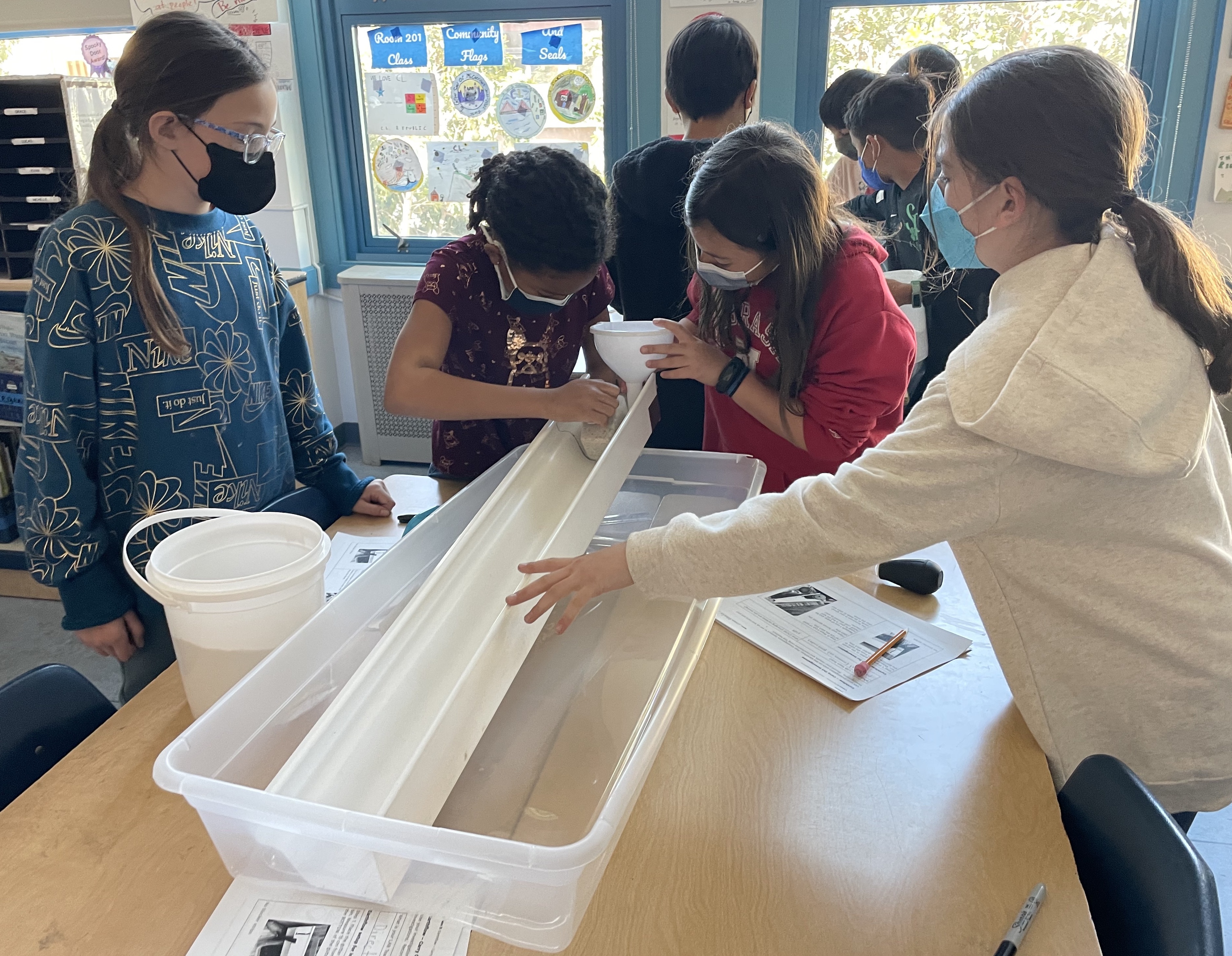
A circle of fourth-grade students sit around Mrs. Ray, who shows videos and images of two natural events: large rocks that have fallen from a cliffside and large rocks in the middle of a dry stream near a road. She asks, “What caused these events to happen? How do we think the changes caused by these events affected the land, waters, and living things?” Her students share their initial ideas. For the first event, a student suggests, “a big gust of wind pushed on a weak rock.” A second says, “maybe there was an earthquake and it shifted it.” Mrs. Ray records students’ ideas on an initial class model. Then she focuses students on potential effects. Students share concerns about drinking water for animals, blocked waterways causing flooding, and “cracked trees” that are homes to birds and small critters. Mrs. Ray points to the second event and asks students to consider its causes and effects. A student says, “maybe the rocks were on the side of the river and the river flooded and the rocks went into the river and smashed together.” For possible effects, students share that maybe, “the road got blocked” and “cars got stuck on the road.” Mrs. Ray asks, “How sure are we about our ideas? Do we have any questions we’re wondering about?”
A circle of fourth-grade students sit around Mrs. Ray, who shows videos and images of two natural events: large rocks that have fallen from a cliffside and large rocks in the middle of a dry stream near a road. She asks, “What caused these events to happen? How do we think the changes caused by these events affected the land, waters, and living things?” Her students share their initial ideas. For the first event, a student suggests, “a big gust of wind pushed on a weak rock.” A second says, “maybe there was an earthquake and it shifted it.” Mrs.

Archive: WI24: Lab Safety Considerations for Pre-Service Secondary Science/STEM Teachers, March 4, 2024

This interactive web seminar will begin with an overview of safety protocols specific for doing secondary-level safer science/STEM laboratory activities. The presenters will be Dr. Ken Roy, NSTA and NSELA Safety Compliance Advisor/Specialist and Director of Environmental Health and Safety, Glastonbury (CT) Public Schools, and NSTA Safety Advisory Board Chairperson Dr. Kevin Doyle of Morris Hills Regional School District in Rockaway, New Jersey.

This interactive web seminar will begin with an overview of safety protocols specific for doing secondary-level safer science/STEM laboratory activities. The presenters will be Dr. Ken Roy, NSTA and NSELA Safety Compliance Advisor/Specialist and Director of Environmental Health and Safety, Glastonbury (CT) Public Schools, and NSTA Safety Advisory Board Chairperson Dr. Kevin Doyle of Morris Hills Regional School District in Rockaway, New Jersey.
This interactive web seminar will begin with an overview of safety protocols specific for doing secondary-level safer science/STEM laboratory activities. The presenters will be Dr. Ken Roy, NSTA and NSELA Safety Compliance Advisor/Specialist and Director of Environmental Health and Safety, Glastonbury (CT) Public Schools, and NSTA Safety Advisory Board Chairperson Dr. Kevin Doyle of Morris Hills Regional School District in Rockaway, New Jersey.

This interactive web seminar will begin with an overview of safety protocols specific for doing secondary-level safer science/STEM laboratory activities. The presenters will be Dr. Ken Roy, NSTA and NSELA Safety Compliance Advisor/Specialist and Director of Environmental Health and Safety, Glastonbury (CT) Public Schools, and NSTA Safety Advisory Board Chairperson Dr. Kevin Doyle of Morris Hills Regional School District in Rockaway, New Jersey.

Archive: WI24: Lab Safety Considerations for Pre-Service Elementary Science/STEM Teachers, February 26, 2024

This interactive web seminar will begin with an overview of safety protocols specific for doing elementary level safer science/STEM classroom/laboratory activities with Dr. Ken Roy, NSTA and NSELA Safety Compliance Advisor/specialist and, Director of Environmental Health & Safety, Glastonbury Public Schools (CT). In addition, Dr. Kevin Doyle of Morris Hills Regional School District, NSTA Safety Advisory Board Chairperson will also be presenting.  

This interactive web seminar will begin with an overview of safety protocols specific for doing elementary level safer science/STEM classroom/laboratory activities with Dr. Ken Roy, NSTA and NSELA Safety Compliance Advisor/specialist and, Director of Environmental Health & Safety, Glastonbury Public Schools (CT). In addition, Dr. Kevin Doyle of Morris Hills Regional School District, NSTA Safety Advisory Board Chairperson will also be presenting.  

This interactive web seminar will begin with an overview of safety protocols specific for doing elementary level safer science/STEM classroom/laboratory activities with Dr. Ken Roy, NSTA and NSELA Safety Compliance Advisor/specialist and, Director of Environmental Health & Safety, Glastonbury Public Schools (CT). In addition, Dr. Kevin Doyle of Morris Hills Regional School District, NSTA Safety Advisory Board Chairperson will also be presenting.  

This interactive web seminar will begin with an overview of safety protocols specific for doing elementary level safer science/STEM classroom/laboratory activities with Dr. Ken Roy, NSTA and NSELA Safety Compliance Advisor/specialist and, Director of Environmental Health & Safety, Glastonbury Public Schools (CT). In addition, Dr. Kevin Doyle of Morris Hills Regional School District, NSTA Safety Advisory Board Chairperson will also be presenting.  

Teacher Tip Tuesday: Making the Most of Attending an NSTA Conference - Denver 2024, March 5, 2024

Discover how to make the most of attending an NSTA National Conference. Hear from veteran attendees who will share their conference experiences and insights.

In this web seminar you will learn:

Discover how to make the most of attending an NSTA National Conference. Hear from veteran attendees who will share their conference experiences and insights.

In this web seminar you will learn:

Discover how to make the most of attending an NSTA National Conference. Hear from veteran attendees who will share their conference experiences and insights.

In this web seminar you will learn:

Discover how to make the most of attending an NSTA National Conference. Hear from veteran attendees who will share their conference experiences and insights.

In this web seminar you will learn:

Discover how to make the most of attending an NSTA National Conference. Hear from veteran attendees who will share their conference experiences and insights.

In this web seminar you will learn:


Safety Blog

Safer At-Home Food Science Investigations

By Ken Roy

Posted on 2023-10-23

Safer At-Home Food Science Investigations


feature

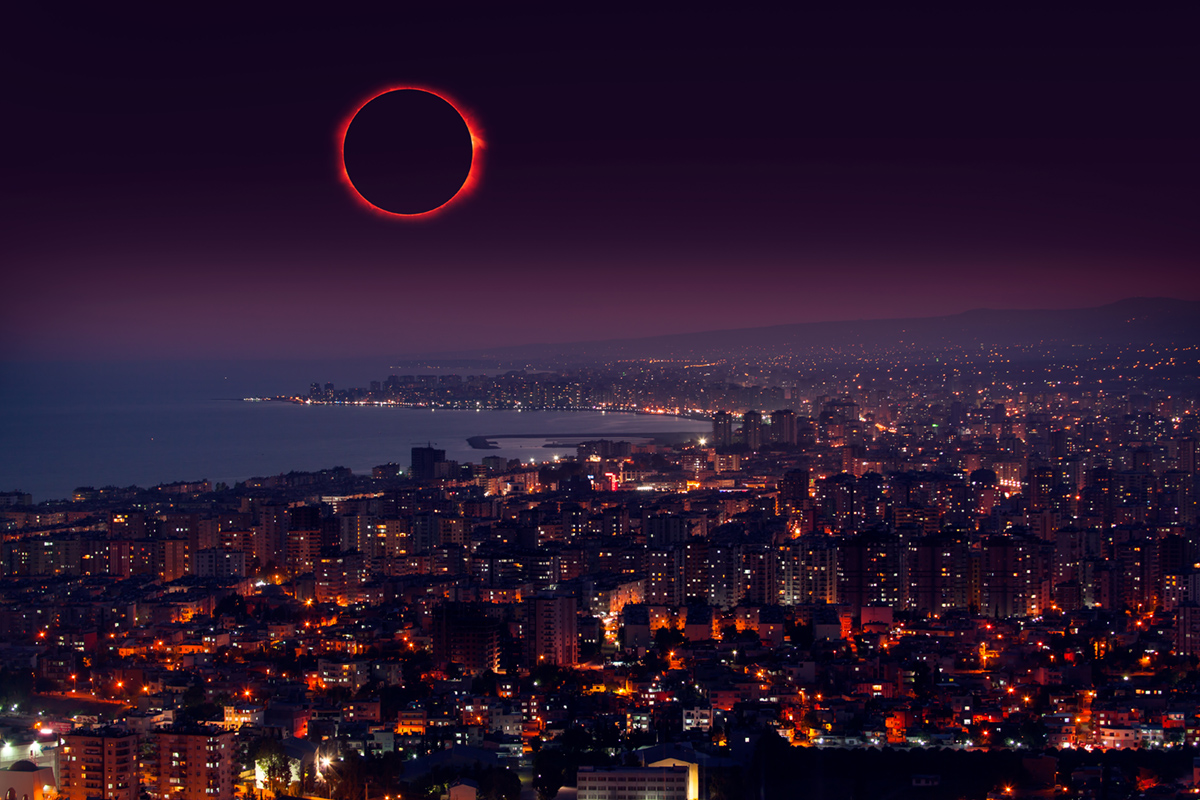
The Upcoming Solar Eclipses

Suggestions for engaging your students in "phenomenal" experiences

Science and Children—Fall 2023 (Volume 60, Issue 7)

By Janet Struble, Kevin Czajkowski, Angela Rizzi, and Jessica Taylor

The Upcoming Solar Eclipses


Tech talk

Space Science for All!

Science and Children—Fall 2023 (Volume 60, Issue 7)

By Heather Pacheco-Guffrey


the poetry of science

Solar Eclipse

Science and Children—Fall 2023 (Volume 60, Issue 7)

By Amy Ludwig VanDerwater


teaching through trade books

Exploring Eclipses

Science and Children—Fall 2023 (Volume 60, Issue 7)

By Christine Anne Royce


Early Childhood Resources Review

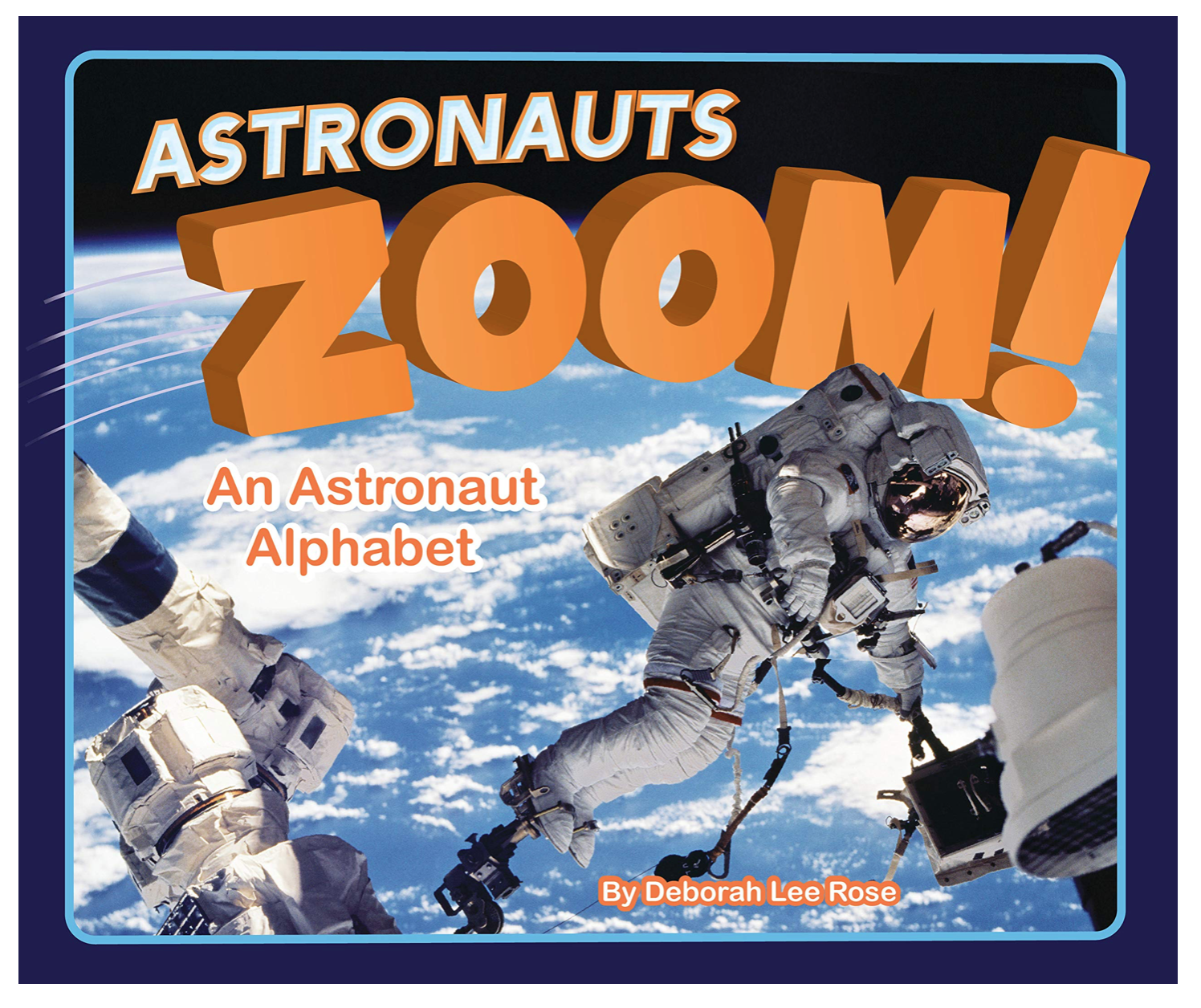
Astronauts Zoom: An Astronaut Alphabet

Science and Children—Fall 2023 (Volume 60, Issue 7)

By Peggy Ashbrook and Ann Caspar

Astronauts Zoom

Astronauts Zoom: An Astronaut Alphabet 

By Deborah Lee Rose
September 2020
Persnickety Press
36 pages
$16.95

Astronauts Zoom

Astronauts Zoom: An Astronaut Alphabet 

By Deborah Lee Rose
September 2020
Persnickety Press
36 pages
$16.95

Astronauts Zoom

Astronauts Zoom: An Astronaut Alphabet 

By Deborah Lee Rose
September 2020
Persnickety Press
36 pages
$16.95

Subscribe to
Asset 2