


 Join
Abstract
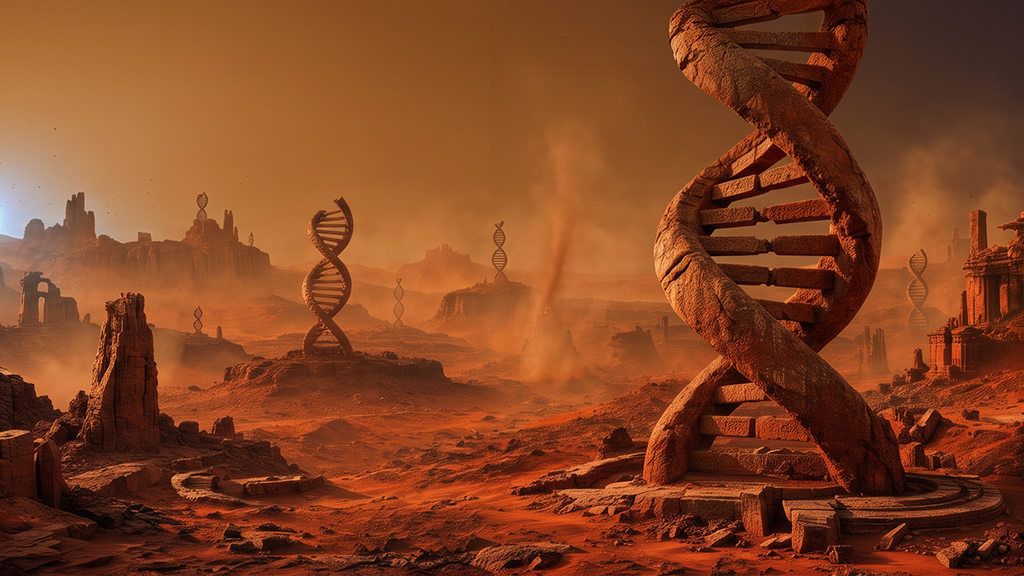
This case study centers on a fictional private company that may have detected DNA-like molecular fragments in Martian rocks from Jezero Crater. While the science described is grounded in current astrobiology research and emerging AI-based modeling techniques, the core focus of the case is not about proving life on Mars but deciding how and when such a finding should be shared with the public. Through dialogue between a company owner, the lead scientist, and a public relations director, students investigate tensions between rapid promotion of scientific findings, scientific certainty, and the ethical implications of discovery. The case highlights why communication choices matter, even when the potential life involved is microbial, and why ethical and religious worldviews may shape public interpretation of scientific results. Students are asked to evaluate evidence, compare communication strategies, and design an announcement that considers scientific uncertainty, planetary stewardship, and societal impact. Designed for introductory astronomy, biology, or science communication courses, this case provides a structured yet accessible entry point for discussing ethics in science and the responsibilities that accompany transformative discoveries.