Earth's Changing Surfaces

Submitted by webmaster on
Earth is a system that exists in dynamic equilibrium. The Earth of today does not look the same as it did millions of years ago. Even the Earth thousands of years ago has distinct differences from the Earth we know today. The Earth’s Changing Surface Interactive E-book* explores how Earth’s ever-changing surface is due to continuous natural processes such as tectonic activity, earthquakes, volcanic activities, weathering and erosion, and sedimentation and the reformation of rock.

Cells and Chemical Reactions

Submitted by webmaster on
All organisms—from single-celled bacteria to multicellular animals—need to obtain and use energy. The Cells and Chemical Reactions Interactive E-book* takes a closer look at the process of metabolism in cells, including photosynthesis in plant cells and cellular respiration in plant and animal cells. Additionally, this e-book looks at how the rates of these reactions can be affected by temperature, pH, hydration levels, and enzymes.

Atomic Structure

Submitted by webmaster on
By asking questions, conducting investigations, and interpreting results, scientists now have a better understanding of what makes up the smallest unit of matter that has properties of an element. The Atomic Structure Interactive E-book* uses investigative evidence to examine the structure of atoms and the parts that make up atoms. Additionally, this e-book looks at the forces that hold an atom and an atom’s nucleus together, isotopes, radioactivity, nuclear fusion and fission, and the energy contained in atoms.
 

Do You Have Adequate Time to Teach Science in Middle School?

By Guest Blogger

Posted on 2016-01-04

clock“I have all the time I need to teach my science content and processes,” said no teacher, ever! When I was an elementary teacher, I often felt pressured to spend more time on math and reading than on science because, after all, those were the subjects tested most often by the state. So, I did my best to weave science into the math and reading curriculum, whenever I could. However, I never felt that my students received the depth of what I could expose them to with additional time.

Moving to middle school, grade six, I was thrilled to think that I had dedicated time for science because we were governed by a bell schedule. However, as testing season came around, students were pulled from classes to receive interventions for, you guessed it, math and reading.

Do We Need Dedicated Science Time?

So the question becomes, do we really need that time? The answer is a resounding yes! In, A Framework for K-12 Science Education: Practices, Crosscutting Concepts, and Core Ideas, published by the National Research Council of the National Academy of Sciences, the committee emphasizes that greater improvements in K-12 science and engineering education will be made when all components of the system—from standards and assessments, to support for new and established teachers, to providing sufficient time for learning science—are aligned with the framework’s vision. In, Successful K-12 STEM Education: Identifying Effective Approaches in Science, Technology, Engineering, and Mathematics, published by the National Research Council of the National Academy of Sciences, the report states, “Overall, the decrease in time for science education is a concern because some research suggests that interest in science careers may develop in the elementary school years. School districts should devote adequate instructional time and resources to science in grades K-5.” The NSTA Position Statement for Science Education for Middle Level Learners recommends that middle level administrators support their science programs by “supporting the recommended time allotted for middle level laboratory investigations.

As middle level educators, some of us may be in a K-6 building, while others may be at 6-8, or even 7-9 buildings. What can we do to promote the allotment of adequate instructional time? Knowledge is power, as the old adage goes. Arm yourselves with the data and research that supports your assertion and ask to have a discussion with your administrators. According to the, Improving STEM Curriculum and Instruction: Engaging Students and Raising Standards, brief by the Community for Advancing Discovery Research in Education, “The problem is not simply academic; it is economic. If the U.S. fails to increase the number of students mastering STEM content and preparing for STEM careers, the nation will fall farther and farther behind in the global economy—and that affects us all.” Raising the awareness of our administrators, school boards and parents is one of the first steps to creating change.

What are some ways YOU have addressed the issues of adequate instructional time for science? Please share your comments with us.


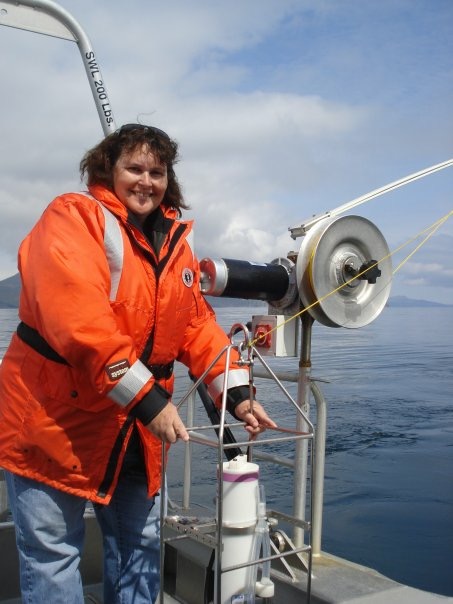
Mary PattersonMary Patterson, a 2014-2015 Albert Einstein Distinguished Educator Fellow, 2014-2015 PBS Digital Innovator, and 2009 NOAA Teacher at Sea, has over 30 years of classroom teaching experience at both the elementary and middle school levels. Currently, she is the Campus Content Instructional Specialist for Science, Grades 6 through 8, at Hopper Middle School in Cypress Fairbanks ISD in Cypress, Texas.


cover of the journal Science ScopeGet more involved with NSTA! Join today and receive Science Scope, the peer-reviewed journal just for middle school teachers; connect on the middle level science teaching list (members can sign up on the list server); or consider joining your peers for Meet Me in the Middle Day (MMITM) at the National Conference on Science Education in Nashville this spring (sign up to present at MMITM here).

clock“I have all the time I need to teach my science content and processes,” said no teacher, ever! When I was an elementary teacher, I often felt pressured to spend more time on math and reading than on science because, after all, those were the subjects tested most often by the state.


Health Wise

Spotting Depression in High School Students

The Science Teacher—January 2016


Planned, Purposeful Activities

By Mary Bigelow

Posted on 2015-12-30

11093465225_95df3e80fa_mMy fifth grade students get excited about hands-on activities, but sometimes they use an activity as a reason to socialize or joke around. Sometimes the class appears chaotic. I’m looking for ideas on what I can do to make sure this is a good use of time for students to learn.  —F., Arizona

As you have observed, most students enjoy working together on investigations, projects, and activities. This excitement can get out of control, which leads to safety issues as well as students not meeting the learning goals for the activity…and perhaps the chaos that you mentioned.

Part of the issue could be addressed by classroom routines and planning, but a more fundamental thought is whether students understand the purpose of these activities and how they relate to learning.

If your students’ previous science experiences were based on worksheets or teacher-led demonstrations, they might view “fun” activities as a special event or reward for doing the worksheets, rather than an integral and essential part of learning. They also might need guidance on working cooperatively and safely.

Students should be aware of how an activity contributes to the learning goals or performance expectations. Take a few minutes to introduce or describe the activity in that context. Students will be more engaged if they have a personal ownership in the activity.

If activities are an integral part of instruction, they should not be a reward for good behavior (“Since you were really well behaved at lunch, we’ll do an activity today”) or taken away for unrelated poor behaviors (“You were noisy in the cafeteria, so no lab for you”). Some teachers have a no homework-no lab policy, but unless the homework was a preparation for the lab, this is not something I would recommend.

Doing an activity without any kind of follow-up or reflection may also contribute to students’ attitudes. My students seemed to take the activities more seriously when a “product” was required—a lab report, notebook entry, summary, photographs or video, drawing, data chart, graph, or exit slip.

In order to use class time efficiently and safely, it’s essential that you and the students have routines and procedures in place. Here are some from NSTA’s email lists and discussion forums:

  • To reduce the drama of choosing partners, assign students to groups, with a promise that at some time you’ll change them. Designate a space for each team to work on activities.
  • To minimize students roaming around, one of the roles in cooperative groups could be that of “coordinator” whose job is to get the materials for the activity.
  • Monitor the time. Students need time to not only clean up but also to pack up their thinking. Don’t dismiss the class until the room is cleaned up and the materials are accounted for.
  • Never leave the room or use this time for your own paperwork. Mingle with the groups and monitor student behavior. Use time to talk with each group, note student skills on a checklist, or ask students to describe what they’re doing and learning.
  • Have a zero tolerance for unsafe behaviors. If student behaviors get out of control or become unsafe, stop the activity.

Planning and organization are also important. In your mind, go through the activity and focus on what the students should be doing to accomplish the task in an orderly and timely fashion. Can the activity be completed in one class period, or will students need to continue at another time? What is in place for students who finish ahead of time? What accommodations might be necessary for special needs students? Review any safety issues that may arise.

Have a labeled box or tray for each lab group to make it easier to organize the materials. Have these ready ahead of time for the coordinators to pick up. Include an index card in each box with an “inventory” so that at the end of the period, students knew what is to be returned. Save the cards to use the next time you do the lesson. Even though you’ll discuss any safety issues prior to the activity, you could put a summary on the card as a reminder.

As you mingle and monitor, you may find yourself spending more time near the groups who need your attention. Use an agreed-upon signal for quiet if the noise becomes distracting or chaotic. You’ll eventually learn to distinguish between off-task noise and the sounds of excited learning—the best sound ever!

11093465225_95df3e80fa_mMy fifth grade students get excited about hands-on activities, but sometimes they use an activity as a reason to socialize or joke around. Sometimes the class appears chaotic. I’m looking for ideas on what I can do to make sure this is a good use of time for students to learn.  —F., Arizona


A "Spring" in December

By Peggy Ashbrook

Posted on 2015-12-30

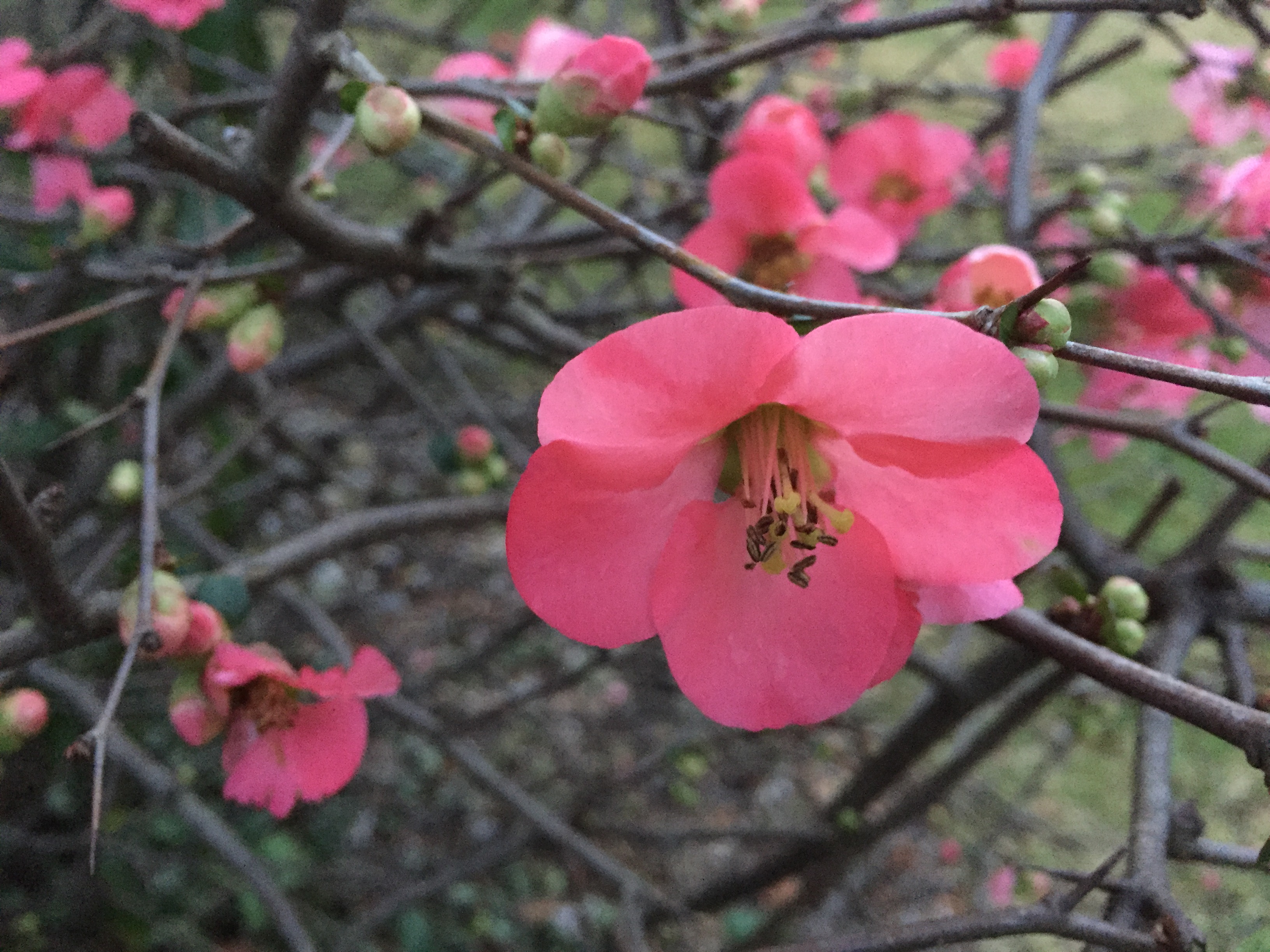
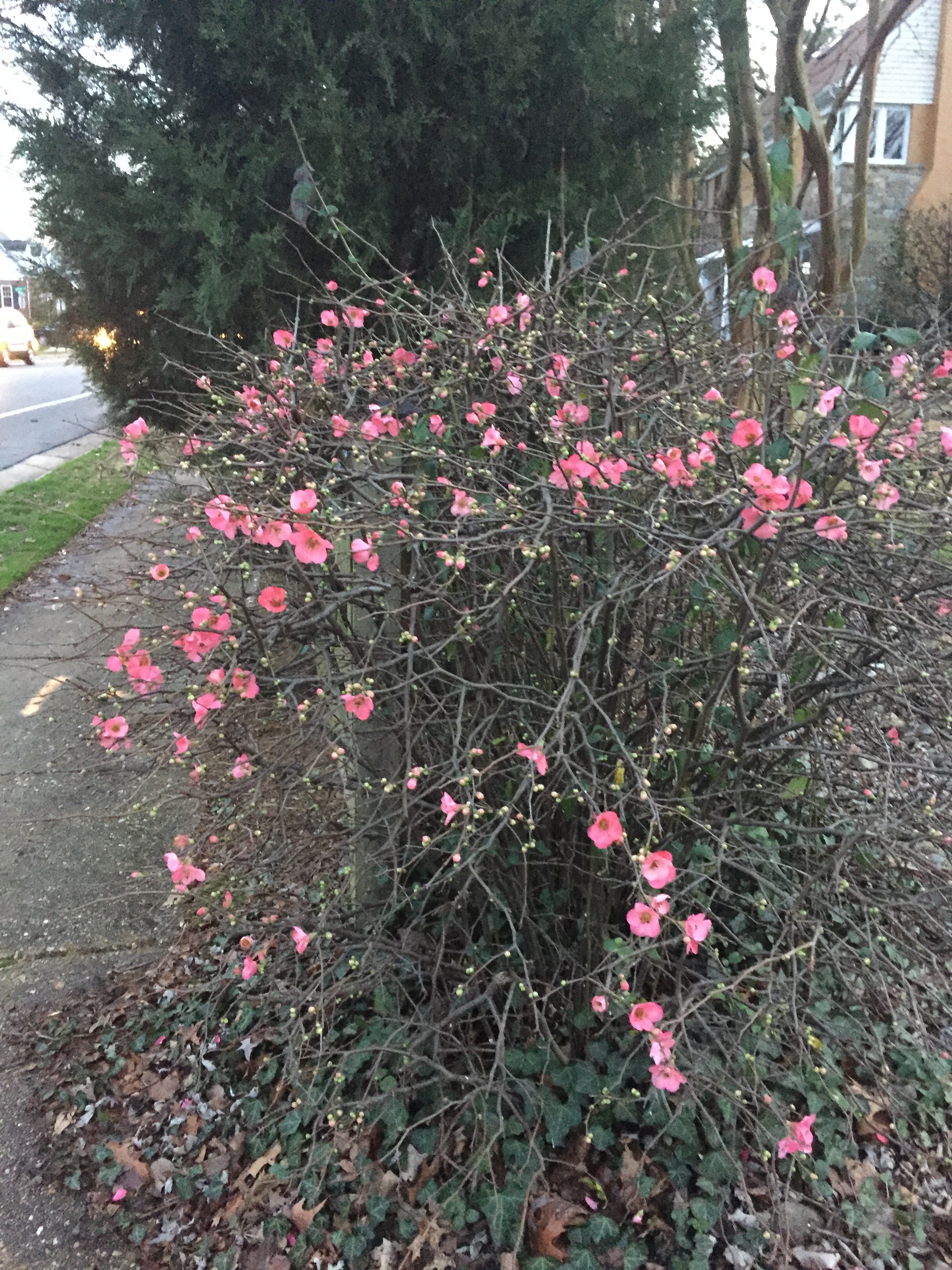
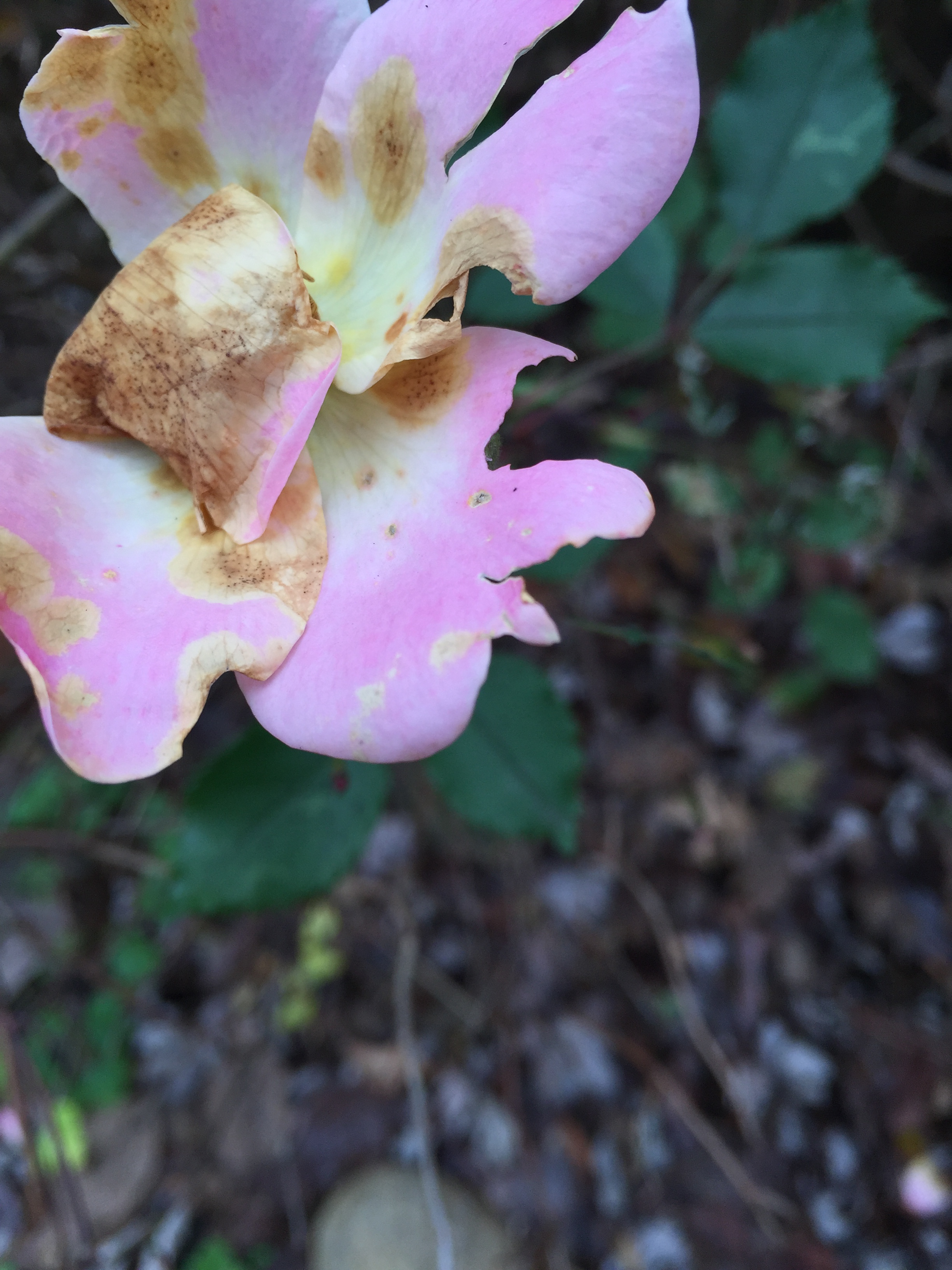
Flower of a Japanese quince bush Blooming Japanese quince bushThe unusually warm December weather has brought out flowers in some of the plants that usually bloom in Spring in my area. Citizen scientists who participate in phrenology are documenting these observations. Phenology is an important subject to study, because it helps us understand the health of species and ecosystems.  

Studying the timing of life cycle events in all living things, such as flower blooming or eggs hatching, is called phenology. The USA National Phenology Network describes it as “nature’s calendar—when cherry trees bloom, when a robin builds its nest and when leaves turn color in the fall.”

“Phenology is a key component of life on earth.  Many birds time their nesting so that eggs hatch when insects are available to feed nestlings.  In turn, insect emergence is often synchronized with leafing out in their host plants. For many people, allergy season starts when particular flowers bloom—earlier flowering means earlier allergies.  Farmers and gardeners need to know when to plant to avoid frosts, and they need to know the schedule of plant and insect development to decide when to apply fertilizers and pesticides. Many interactions in nature depend on timing.  In fact, phenology affects nearly all aspects of the environment, including the abundance, distribution, and diversity of organisms, ecosystem services, food webs, and the global cycles of water and carbon.”

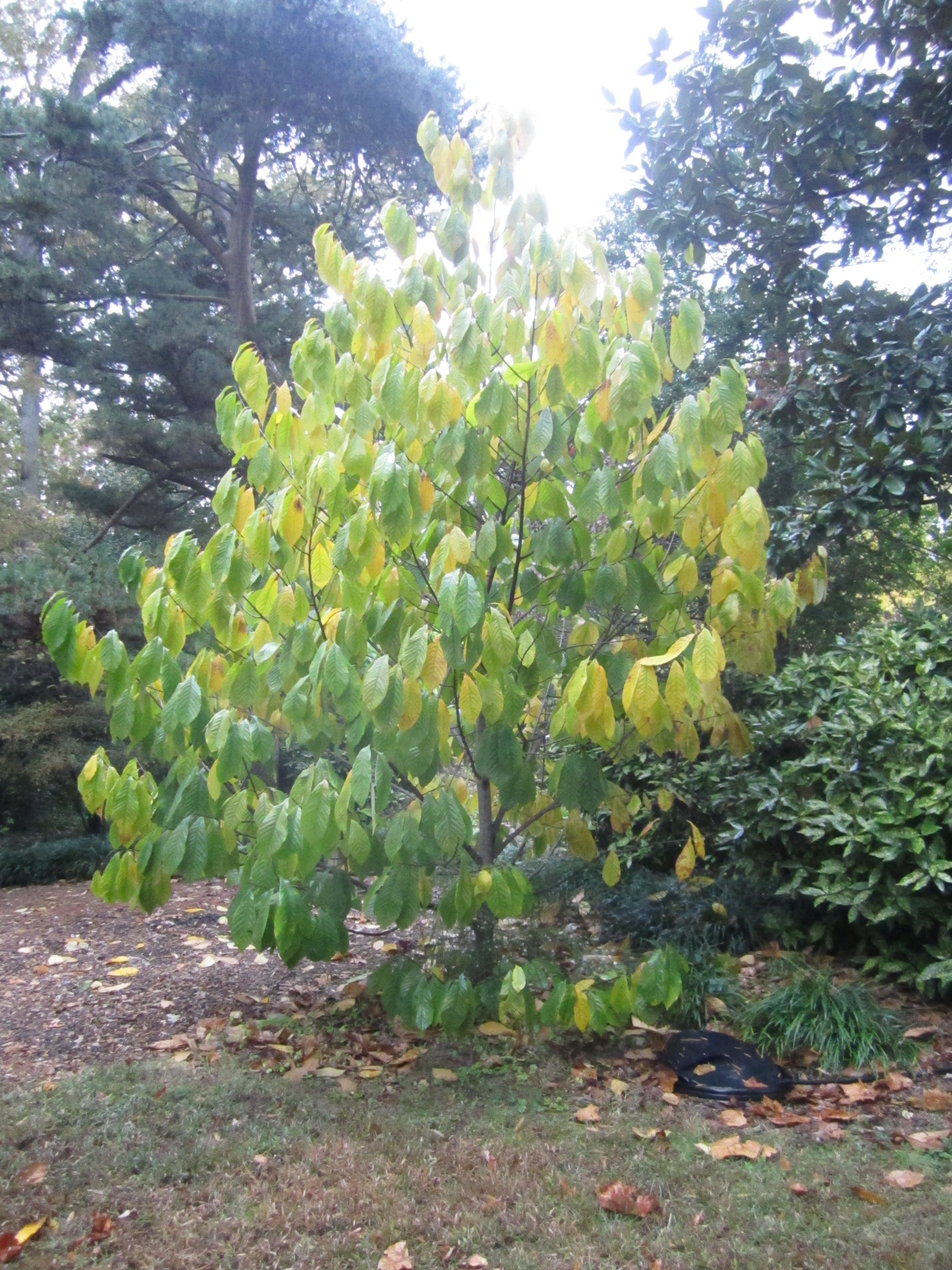
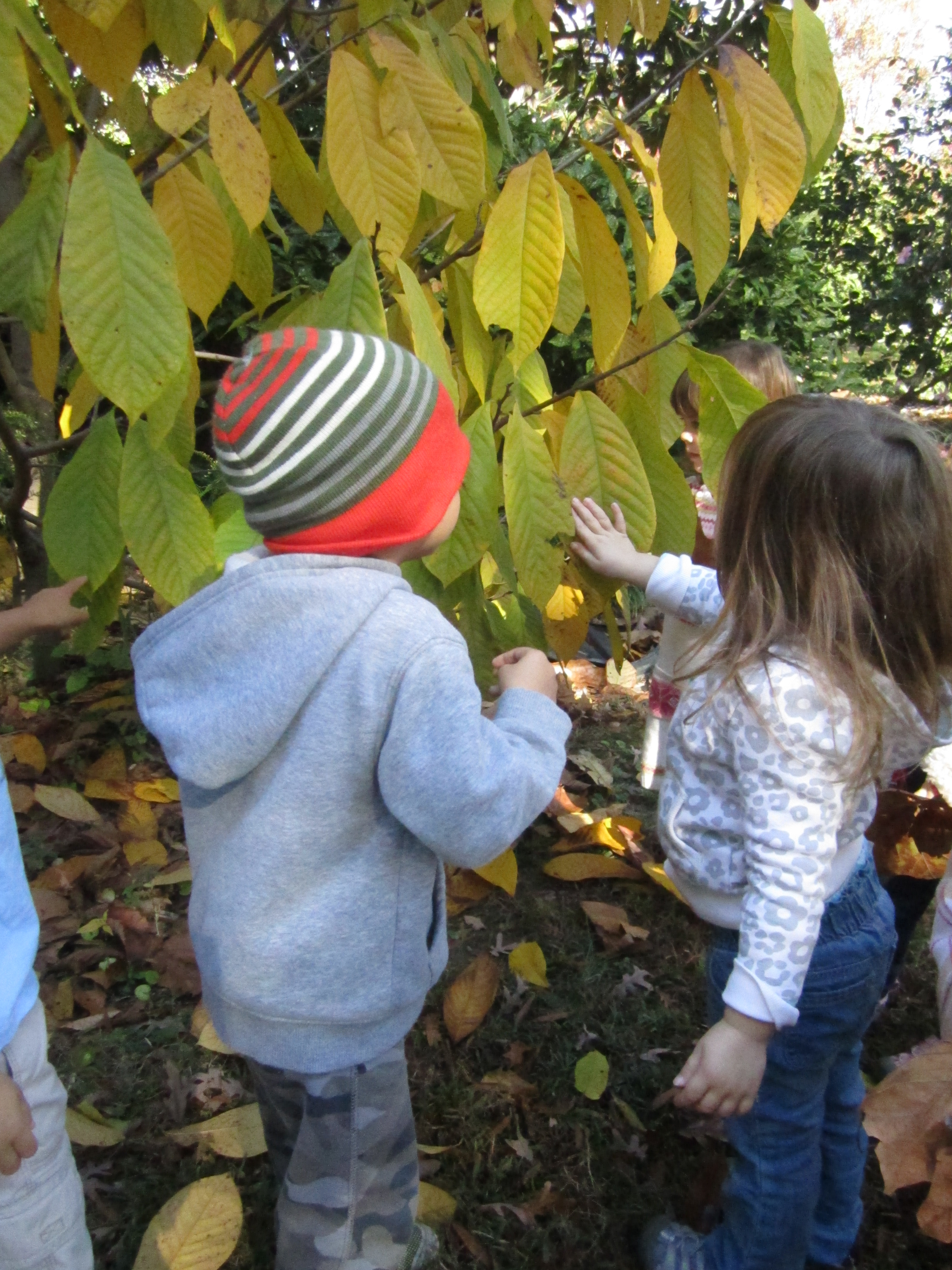
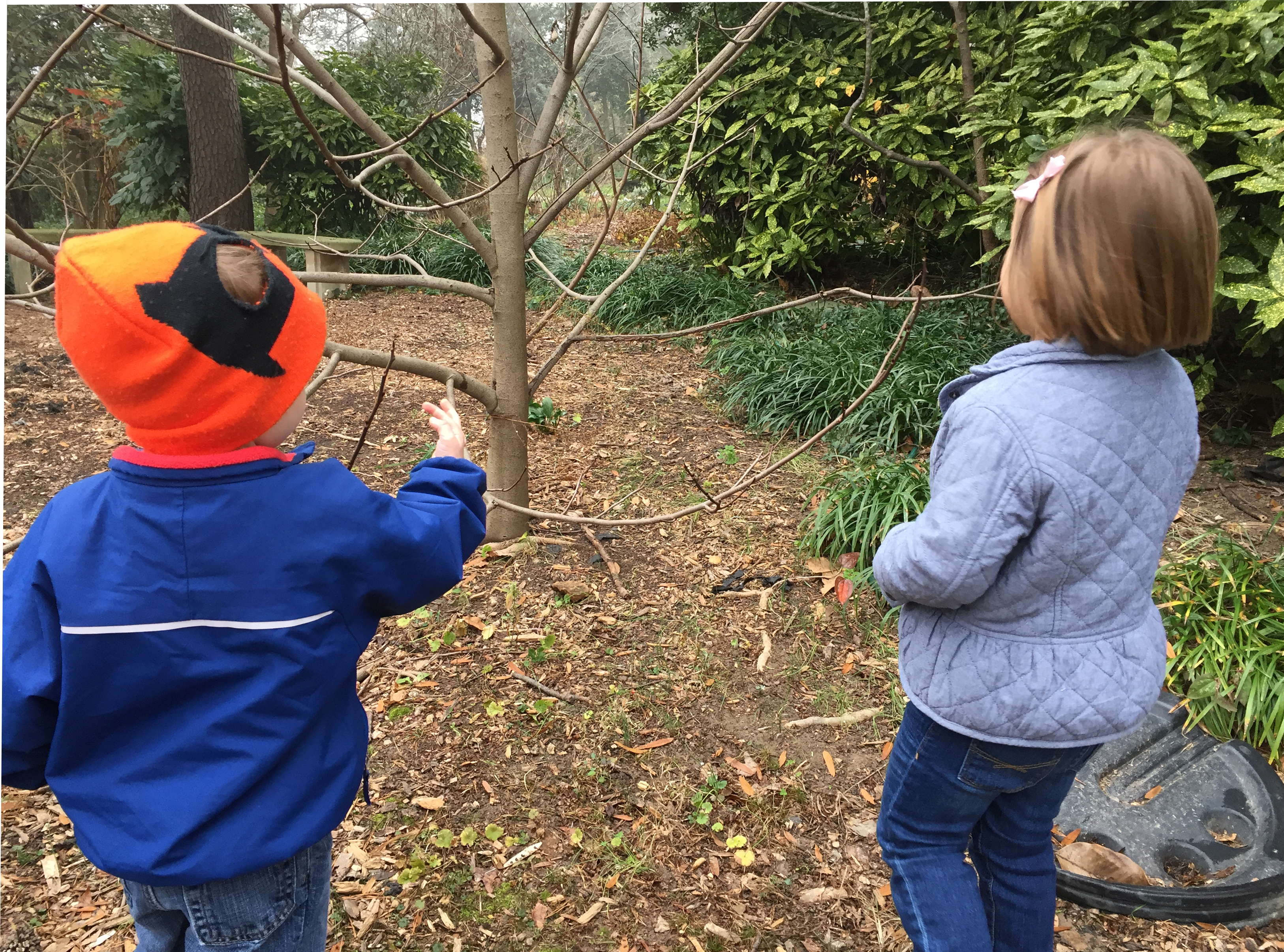
Read about how children can participate and learn from phenology monitoring programs on the “Resources For K-4 Classroom Teachers” page from The USA National Phenology Network. It would be interesting for children to compare photographs of a particular tree or other plant from a particular day in previous years to the current year. My students have been observing a Paw Paw tree since October and I’ll save the photos for the 2’s and 3’s to look at next year.


Weather and environment experts, Nicholas BondJulia Kumari DrapkinRichard Primack, and Noel Perry, talked with On Point‘s Tom Ashbrook (no relation that I know of) about the record high December 2015 temperatures.

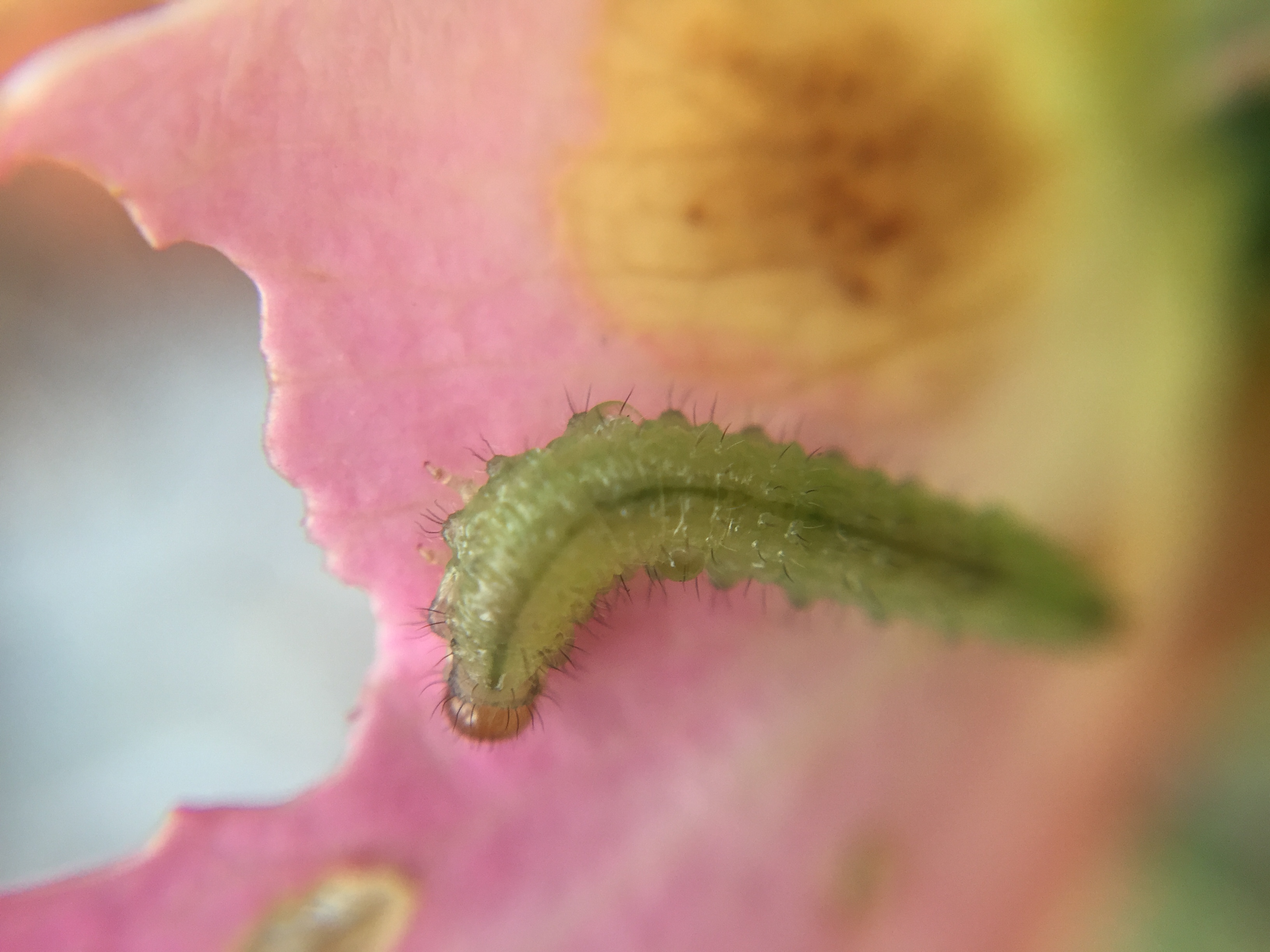
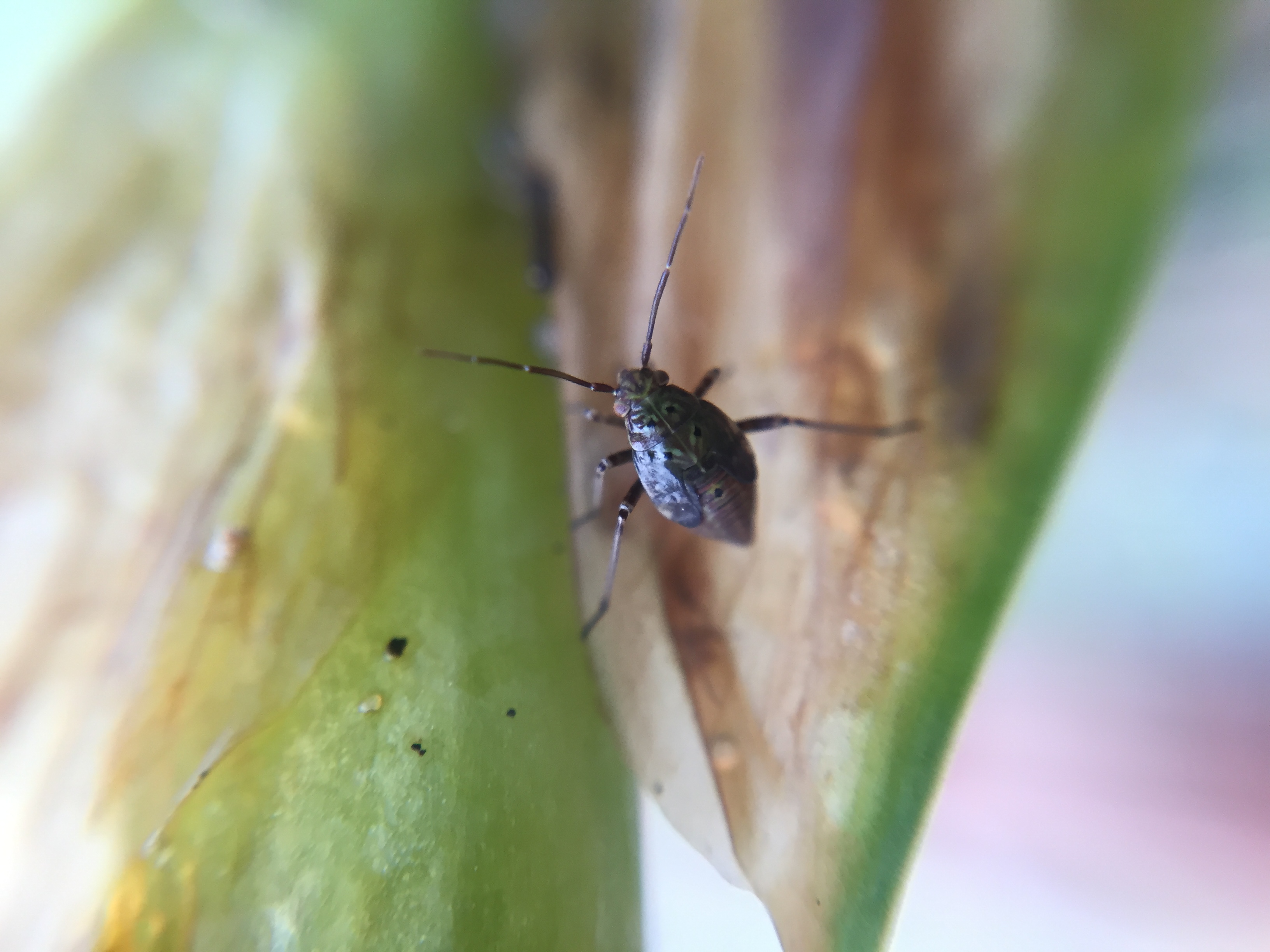
The insects out in this warmer weather gave me subjects to photograph using a new 15x lens on my smart phone. I may use the lens to photograph objects children express interest in, but won’t let them handle it. I do let them use my digital camera because I learn what they are interested in as they document their observations.

I look forward to using the lens to photograph snowflakes!


Flower of a Japanese quince bush Blooming Japanese quince bushThe unusually warm December weather has brought out flowers in some of the plants that us


Ideas and info from NSTA’s December K-12 journals

By Mary Bigelow

Posted on 2015-12-28

The Science Teacher: Novel Science Tools

I once worked with a teacher who said that he would put off doing anything with technology until “things settled down.” I suspect he’s still waiting… The featured articles in this issue look at some current (as of now anyway) technologies that related to teaching and learning in science, such as mapping tools, digital probeware and sensors, and online simulations. The lessons show their connections to the NGSS.

  • Wired for Controversy describes the materials and methodology used to explore ethics in autonomous systems through cyborg roaches and robotic insects. Sounds almost like science fiction!
  • Turn Your Smartphone Into a Science Laboratory has several activities in which students collect and analyze data related to force and motion as al alternative to more expensive probes or monitors. We can use our phones in class!
  • Where the Birds Live is another phone-enhanced activity in which students use real data and online maps to explore bird habitats, migration patterns, and biodiversity.
  • Clearing the Air explores the greenhouse effect in the context of black-body radiation and Wien’s Law in a 5E lesson using online simulations.
  • The Learning Portal describes a source of free classroom-tested web-based activities that use probes and models.
  • Science 2.0: Did They Really Read It? Describes two online tools to assess student comprehension of reading and video resources. (See the authors’ related blog).

For more on the content that provides a context for these projects and strategies see the SciLinks websites for Acceleration, Birds, Biodiversity, Blackbody Radiation, Centripetal Force, Conduction Convection and Radiation, DNA Replication, Forces and Motion, Gravity, Greenhouse Effect, Max Planck, Migration of Birds.

Continue for Science Scope and Science and Children

Science Scope: Science and Engineering Practices

Assessing Science Practices: Moving Your Class Along a Continuum groups the eight science and engineering practices into three categories: investigating, sensemaking, and critiquing. The authors include an assessment tool and describe how it can be used during a lesson.

Other featured articles:

For another engineering project, see Engineering Encounters: Creating a Prosthetic Hand from Science & Children.

For more on the content that provides a context for these projects and strategies see the SciLinks websites for Forces and Motion, Plant Growth, Plate Tectonics.


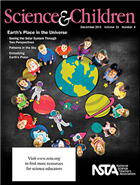
Science and Children: Earth’s Place in the Universe

As always, the articles in this issue have ideas for classroom activities that align with the NGSS, along with photos of students, examples of their work, rubrics, and downloadable resources.

From the Science Teacher: Career of the Month: Earthquake Engineer

For more on the content that provides a context for these projects and strategies see the SciLinks websites for Archaeology, Constellations, Fossil Discoveries, Fossils, Fossil Record, Planets, Properties of Light, Seasons, Stars, Sun, Using Models in Earth Science.

The Science Teacher: Novel Science Tools


"Group" work in elementary science?

By Mary Bigelow

Posted on 2015-12-20

I’m a first year teacher, teaching third grade. In my undergraduate work and student teaching, I worked with math and reading groups, but not much was mentioned about using small groups in science or social studies. I’m curious about how to go about setting up and managing group work in these subjects. —D., Washington

In math and reading, you probably worked directly with small groups of students while the rest of the class did other activities. The small groups were structured based on student reading levels or achievements in math, and you tailored the instructional activities to meet the students’ needs.

In science and social studies, however, you’ll probably have the whole class working in groups on the same activity or rotating through a set of learning activities or stations. As the teacher, you will work with the groups as needed, but the groups will work without direct one-to-one supervision. This requires planning and organization, as well as instructions for the students on how to work safely and cooperatively.

If you do an online search for cooperative learning strategies for elementary students, you’ll find many different organizational strategies. But the literature is clear: assigning students to groups and giving them an activity is not necessarily the same as cooperative learning. It’s essential for each student to have a role in the group so they share the responsibility for learning. The roles may vary from one activity to another, but could include group leader, presenter, data recorder, measurer, equipment manager, liaison (to ask questions of the teacher or other teams), artist, online researcher, questioner, timekeeper, and notetaker.

Regardless of what roles you use, be sure that students understand their responsibilities.

These “job descriptions” could be in the form of checklists, a bulletin board display, index cards, or a page in the students’ science notebooks. The job descriptions could include mini-rubrics and conversation starters. I’ve seen teachers make “badges” for the students to wear to identify who is doing what job. Ask students to describe how they and their teammates did their jobs (this could be a exit activity). Rotate the roles so all students have a variety of experiences.

Most teachers would agree there is no “best” way to set up groups. Some teachers suggest grouping students by ability, as is often done in reading or math groups. I’m not sure how to determine science ability, especially at the third grade level, so I suspect teachers use factors such as reading or math grades, work habits, or behavior.

One option is to assign groups randomly. As the students work together, you can observe how different combinations of personalities work together: who are the leaders, the thinkers, and the creators; which students need closer supervision; which students clash; and which students struggle with the activities.

There are other student variables to consider. Depending on your observations, you may find single-gender groups provide more opportunities for equitable student participation (this was true for my seventh graders). If your class includes students with special needs, check with the special education teachers to determine their needs in terms of their individual education plans. If an activity requires a lot of reading, you may want to have a combination of reading abilities in each group.

To keep the groups focused and on-task, students should understand the expectations for the project or investigation, including any safety concerns. Monitor the groups as they work and provide feedback, listen to their discussions, and observe their interactions (this can be a formative assessment).

Some students may not have developed a high level of interpersonal skills. Start with brief and highly structured activities. Model what cooperative behavior “looks like,” and work with them on what types of language is appropriate in their groups.

Cooperative learning models also emphasize the importance individual accountability. You could have the group create some parts of a report together (perhaps in their notebooks, on chart paper, or on a online class page) and then have each student write or draw his or her own summary or conclusion. Some teachers hold each student be responsible for one part of a project, evaluating each component separately and then assigning a holistic evaluation for the entire project.

On a practical note, I found that having a color-coded box or tray for each group makes it easier to organize and count the materials and have everything is in place before going onto the next lesson.

There are times when cooperative learning is effective, times when large group instruction is appropriate, and times when you want students to work independently.

Don’t forget–teaching both science and social studies gives you an opportunity for some interesting interdisciplinary work!


I’m a first year teacher, teaching third grade. In my undergraduate work and student teaching, I worked with math and reading groups, but not much was mentioned about using small groups in science or social studies. I’m curious about how to go about setting up and managing group work in these subjects. —D., Washington

Subscribe to
Asset 2