

 Join
JoinPress Release
REGIONAL WINNERS OF 34th ANNUAL EXPLORAVISION COMPETITION ANNOUNCED BY TOSHIBA, NATIONAL SCIENCE TEACHING ASSOCIATION
Twenty-Four Winning Teams Recognized for Innovative Solutions to the World’s Challenges
Moving Beyond Open and Closed Questions: Strategies for Teachers that Fuel K–2 Students’ Science Thinking and Discourse
By Cindy Hoisington and Jessica Young
Posted on 2026-03-10

COMING SPRING 2026!
Invite readers to step outside, look up, and rediscover the wonder of the night sky. With poetic language and vivid imagery, Next Time You See a Star transforms the science of stars into an inspiring journey of discovery. Readers learn how light travels, why stars twinkle, and how observing the night’s sky reveals both the vastness of space and our own place within it.
Invite readers to step outside, look up, and rediscover the wonder of the night sky. With poetic language and vivid imagery, Next Time You See a Star transforms the science of stars into an inspiring journey of discovery. Readers learn how light travels, why stars twinkle, and how observing the night’s sky reveals both the vastness of space and our own place within it.
COMING SPRING 2026!
Invite readers to step outside, look up, and rediscover the wonder of the night sky. With poetic language and vivid imagery, Next Time You See a Star transforms the science of stars into an inspiring journey of discovery. Readers learn how light travels, why stars twinkle, and how observing the night’s sky reveals both the vastness of space and our own place within it.
Invite readers to step outside, look up, and rediscover the wonder of the night sky. With poetic language and vivid imagery, Next Time You See a Star transforms the science of stars into an inspiring journey of discovery. Readers learn how light travels, why stars twinkle, and how observing the night’s sky reveals both the vastness of space and our own place within it.
Invite readers to step outside, look up, and rediscover the wonder of the night sky. With poetic language and vivid imagery, Next Time You See a Star transforms the science of stars into an inspiring journey of discovery. Readers learn how light travels, why stars twinkle, and how observing the night’s sky reveals both the vastness of space and our own place within it.
Invite readers to step outside, look up, and rediscover the wonder of the night sky. With poetic language and vivid imagery, Next Time You See a Star transforms the science of stars into an inspiring journey of discovery. Readers learn how light travels, why stars twinkle, and how observing the night’s sky reveals both the vastness of space and our own place within it.
Sponsored Archive: Web Seminar: Solve the Case: Bring Forensic Science into Your Chemistry Class, April 29, 2026
What if your students could identify an arsonist, investigate a poisoning, and analyze crime scene evidence—all using chemistry techniques they're already learning? Join Vernier chemistry expert Nüs Hisim and Trendsetter educators Anne Lavelle and Randy Booth as they demonstrate three forensic investigations that connect calorimetry, acid-base titrations, and gas chromatography to real-world crime-solving scenarios from the Forensic Chemistry Experiments lab book.
What if your students could identify an arsonist, investigate a poisoning, and analyze crime scene evidence—all using chemistry techniques they're already learning? Join Vernier chemistry expert Nüs Hisim and Trendsetter educators Anne Lavelle and Randy Booth as they demonstrate three forensic investigations that connect calorimetry, acid-base titrations, and gas chromatography to real-world crime-solving scenarios from the Forensic Chemistry Experiments lab book.
What if your students could identify an arsonist, investigate a poisoning, and analyze crime scene evidence—all using chemistry techniques they're already learning? Join Vernier chemistry expert Nüs Hisim and Trendsetter educators Anne Lavelle and Randy Booth as they demonstrate three forensic investigations that connect calorimetry, acid-base titrations, and gas chromatography to real-world crime-solving scenarios from the Forensic Chemistry Experiments lab book.
What if your students could identify an arsonist, investigate a poisoning, and analyze crime scene evidence—all using chemistry techniques they're already learning? Join Vernier chemistry expert Nüs Hisim and Trendsetter educators Anne Lavelle and Randy Booth as they demonstrate three forensic investigations that connect calorimetry, acid-base titrations, and gas chromatography to real-world crime-solving scenarios from the Forensic Chemistry Experiments lab book.
From Chalkboards to AI
What if AI Gets it Wrong? Teaching Students to Detect Errors and Misleading Models
By Valerie Bennett, Ph.D., Ed.D., and Christine Anne Royce, Ed.D.
Posted on 2026-02-18
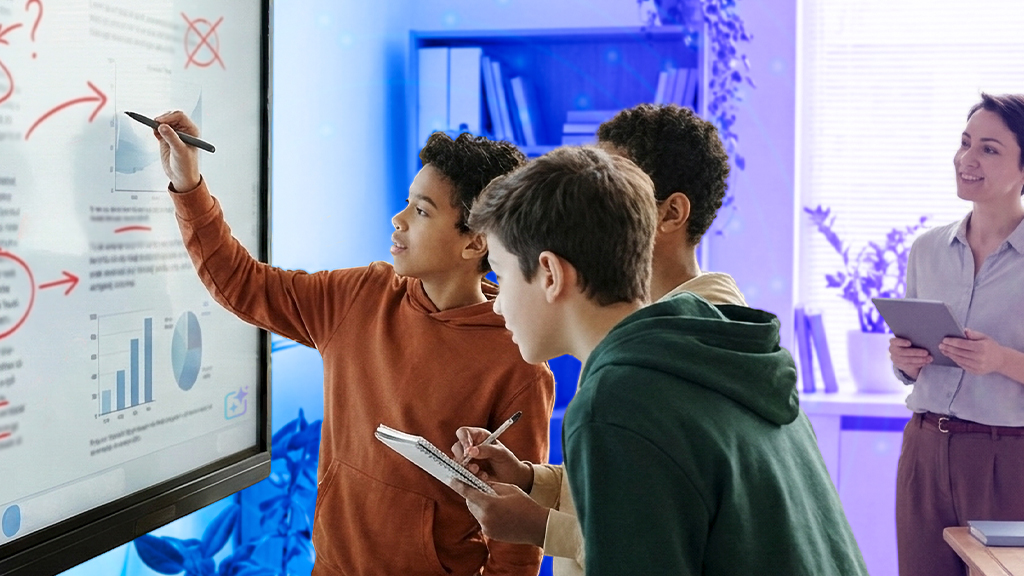
Challenges in Vaccine Delivery
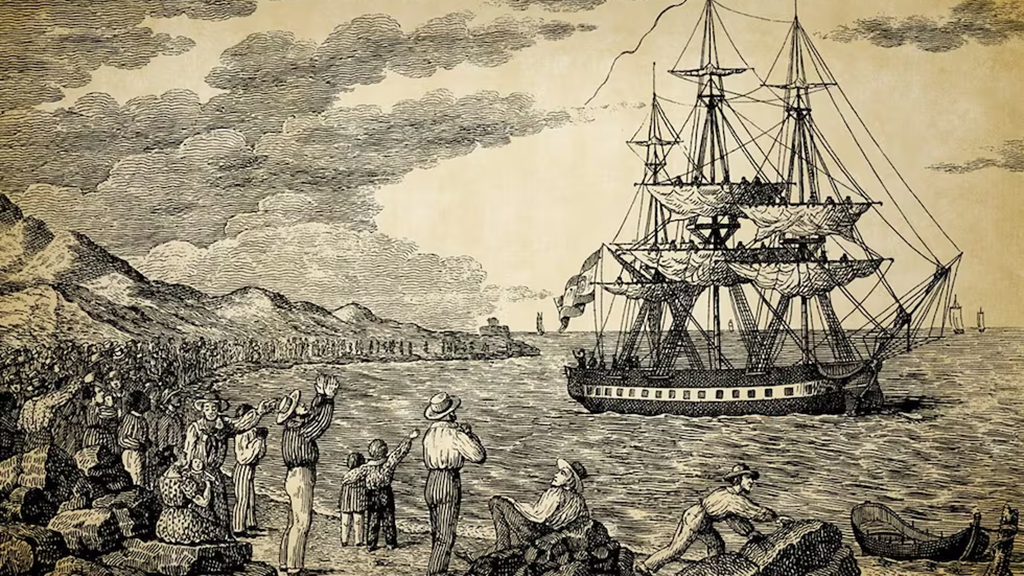
The Balmis Expedition Viewed Through a 21st-Century Lens
By Nancy Boury, Harshita Sharma
Research Worth Reading
Is Research Worth Reading?
By The NSTA Research Committee
Posted on 2026-02-13