 

Safety Blog

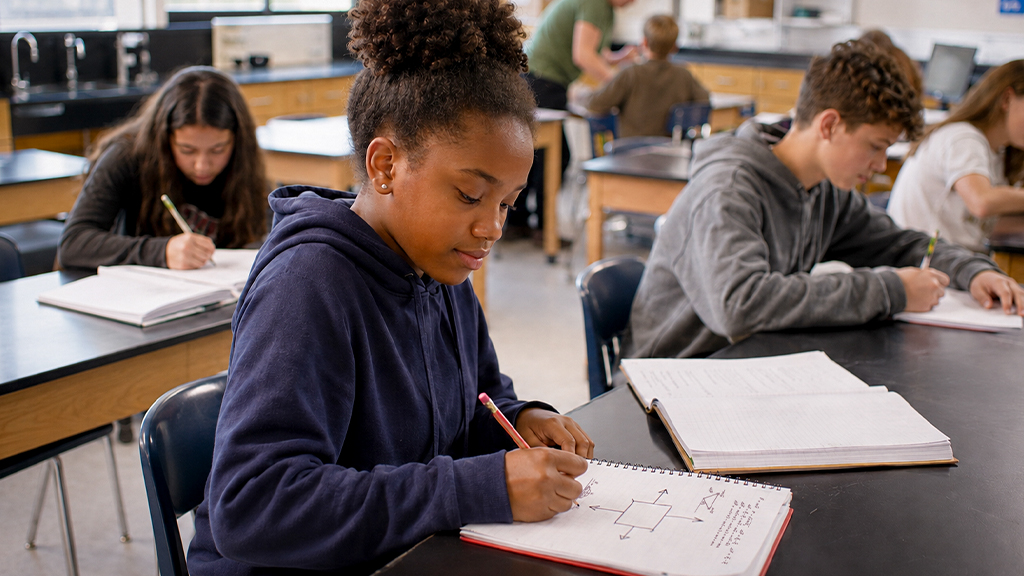
Science and STEM Teacher Safety Training Relative to Hazardous Chemical Use

By Ken Roy

Posted on 2026-07-15

Science and STEM Teacher Safety Training Relative to Hazardous Chemical Use

OpenSciEd Best Practices for Success: Building Scientific Communities Through Scientist Circles, October 27, 2026

Transform student talk into powerful science learning. Join us on Tuesday, October 27, 2026, from 7:00 PM to 8:30 PM ET. for an interactive web seminar exploring how OpenSciEd's Scientist Circles routine strengthens student discourse, deepens scientific reasoning, and builds a classroom community where every student's thinking contributes to collective sensemaking.

Transform student talk into powerful science learning. Join us on Tuesday, October 27, 2026, from 7:00 PM to 8:30 PM ET. for an interactive web seminar exploring how OpenSciEd's Scientist Circles routine strengthens student discourse, deepens scientific reasoning, and builds a classroom community where every student's thinking contributes to collective sensemaking.

Transform student talk into powerful science learning. Join us on Tuesday, October 27, 2026, from 7:00 PM to 8:30 PM ET. for an interactive web seminar exploring how OpenSciEd's Scientist Circles routine strengthens student discourse, deepens scientific reasoning, and builds a classroom community where every student's thinking contributes to collective sensemaking.

Transform student talk into powerful science learning. Join us on Tuesday, October 27, 2026, from 7:00 PM to 8:30 PM ET. for an interactive web seminar exploring how OpenSciEd's Scientist Circles routine strengthens student discourse, deepens scientific reasoning, and builds a classroom community where every student's thinking contributes to collective sensemaking.

Transform student talk into powerful science learning. Join us on Tuesday, October 27, 2026, from 7:00 PM to 8:30 PM ET. for an interactive web seminar exploring how OpenSciEd's Scientist Circles routine strengthens student discourse, deepens scientific reasoning, and builds a classroom community where every student's thinking contributes to collective sensemaking.

Leveraging Anchoring Phenomena for Sensemaking, September 22, 2026

Compelling phenomena have the power to spark curiosity, inspire questions, and create a purpose for science learning.

Compelling phenomena have the power to spark curiosity, inspire questions, and create a purpose for science learning.

Compelling phenomena have the power to spark curiosity, inspire questions, and create a purpose for science learning.

Compelling phenomena have the power to spark curiosity, inspire questions, and create a purpose for science learning.

Compelling phenomena have the power to spark curiosity, inspire questions, and create a purpose for science learning.

Designing 3D Assessments with Generative AI: A Four-Part Professional Learning Series for Science Educators

Are your assessments capturing the rich science sensemaking already happening in your classroom? Join us on October 7th, 14th, 21st, and 28th from 7:00 pm - 8:30 pm ET, to build your skills in designing 3D assessments with generative AI.

Are your assessments capturing the rich science sensemaking already happening in your classroom? Join us on October 7th, 14th, 21st, and 28th from 7:00 pm - 8:30 pm ET, to build your skills in designing 3D assessments with generative AI.

Are your assessments capturing the rich science sensemaking already happening in your classroom? Join us on October 7th, 14th, 21st, and 28th from 7:00 pm - 8:30 pm ET, to build your skills in designing 3D assessments with generative AI.

Are your assessments capturing the rich science sensemaking already happening in your classroom? Join us on October 7th, 14th, 21st, and 28th from 7:00 pm - 8:30 pm ET, to build your skills in designing 3D assessments with generative AI.

Are your assessments capturing the rich science sensemaking already happening in your classroom? Join us on October 7th, 14th, 21st, and 28th from 7:00 pm - 8:30 pm ET, to build your skills in designing 3D assessments with generative AI.


AI Literacy Is Thinking Literacy: Using the Science and Engineering Practices to Guide Intentional AI Use

By Velma Itamura

Posted on 2026-07-13

AI Literacy Is Thinking Literacy: Using the Science and Engineering Practices to Guide Intentional AI Use


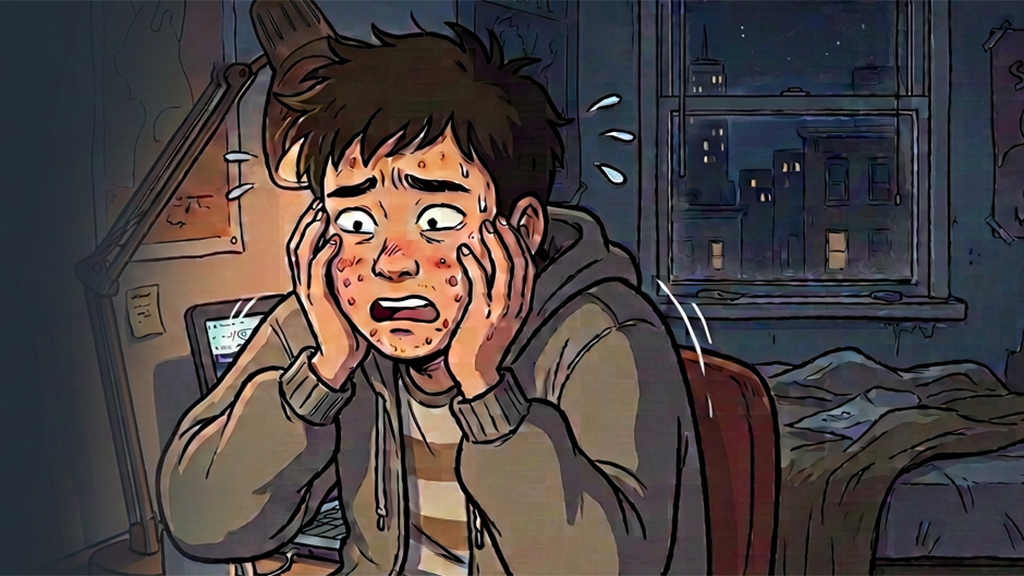
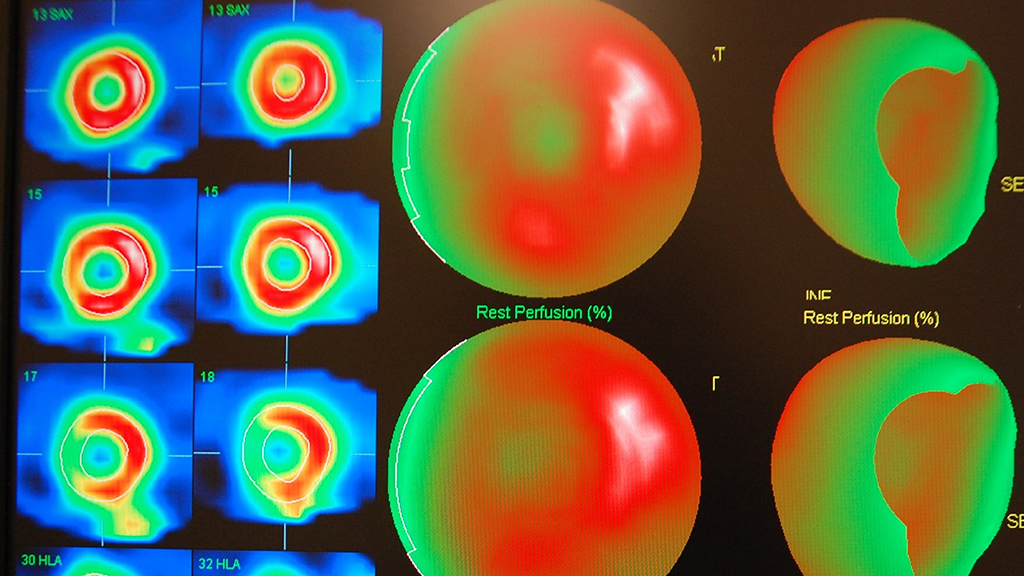
The Yellow Clue

An Interrupted Case Study of Neonatal Hyperbilirubinemia

By Latia Moddelmog, Jonathan M. Conard, Melissa M. Conard

The Yellow Clue

Who's Doing the Talking? Starting School with Effective Discourse Strategies, September 1, 2026

Spark deeper science learning through student talk. Discover strategies that turn classroom conversations into opportunities for students to collaborate, share ideas, and make sense of science together. Join us on Tuesday, September 1, 2026, from 7:00 PM - 8:15 PM ET, for an interactive web seminar focused on strengthening student-centered discussions.

Spark deeper science learning through student talk. Discover strategies that turn classroom conversations into opportunities for students to collaborate, share ideas, and make sense of science together. Join us on Tuesday, September 1, 2026, from 7:00 PM - 8:15 PM ET, for an interactive web seminar focused on strengthening student-centered discussions.

Spark deeper science learning through student talk. Discover strategies that turn classroom conversations into opportunities for students to collaborate, share ideas, and make sense of science together. Join us on Tuesday, September 1, 2026, from 7:00 PM - 8:15 PM ET, for an interactive web seminar focused on strengthening student-centered discussions.

Spark deeper science learning through student talk. Discover strategies that turn classroom conversations into opportunities for students to collaborate, share ideas, and make sense of science together. Join us on Tuesday, September 1, 2026, from 7:00 PM - 8:15 PM ET, for an interactive web seminar focused on strengthening student-centered discussions.

Spark deeper science learning through student talk. Discover strategies that turn classroom conversations into opportunities for students to collaborate, share ideas, and make sense of science together. Join us on Tuesday, September 1, 2026, from 7:00 PM - 8:15 PM ET, for an interactive web seminar focused on strengthening student-centered discussions.

OpenSciEd Best Practices for Success: Starting Strong: Lessons from Experienced Teachers, August 26, 2026

Ready to kick off your OpenSciEd year with confidence? Join us on Wednesday, August 26, from 7:00–8:30 PM ET for a live panel discussion featuring veteran OpenSciEd educators who have been where you are and are ready to share what they've learned.

Ready to kick off your OpenSciEd year with confidence? Join us on Wednesday, August 26, from 7:00–8:30 PM ET for a live panel discussion featuring veteran OpenSciEd educators who have been where you are and are ready to share what they've learned.

Ready to kick off your OpenSciEd year with confidence? Join us on Wednesday, August 26, from 7:00–8:30 PM ET for a live panel discussion featuring veteran OpenSciEd educators who have been where you are and are ready to share what they've learned.

Ready to kick off your OpenSciEd year with confidence? Join us on Wednesday, August 26, from 7:00–8:30 PM ET for a live panel discussion featuring veteran OpenSciEd educators who have been where you are and are ready to share what they've learned.

Ready to kick off your OpenSciEd year with confidence? Join us on Wednesday, August 26, from 7:00–8:30 PM ET for a live panel discussion featuring veteran OpenSciEd educators who have been where you are and are ready to share what they've learned.

Starting Strong: Creating Classroom Norms that Foster Sensemaking from Day One, August 20, 2026

How do you create a classroom where every student’s ideas, questions, and experiences are valued from the very first day?

How do you create a classroom where every student’s ideas, questions, and experiences are valued from the very first day?

How do you create a classroom where every student’s ideas, questions, and experiences are valued from the very first day?

How do you create a classroom where every student’s ideas, questions, and experiences are valued from the very first day?

How do you create a classroom where every student’s ideas, questions, and experiences are valued from the very first day?


Press Release

NSTA and Tuva Expand Partnership to Advance Data Literacy in Science Education

Collaboration responds to National Academies’ call for coordinated, system-wide integration of data and computing across K–12 education

Subscribe to
Asset 2