


 Join
JoinAll Resources
eBook
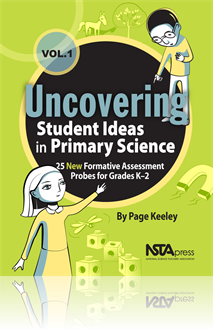
Winner of the Distinguished Achievement Award from PreK-12 Learning Group, Association of American Publishers!What ideas do young children bring to their science learning, and how does their thinking change as they engage in “science talk”? Find...
eBook
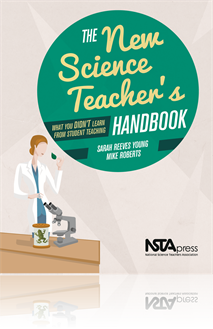
The New Science Teacher's Handbook: What You Didn't Learn From Student Teaching (e-book)
“One of the first activities I ask new science teachers to do in my methods course is to think of a memorable science activity from their past. Whether it’s creating an exploding vinegar and baking soda volcano, dissecting a frog, or building a m...
NSTA Press Book
The New Science Teacher's Handbook: What You Didn't Learn From Student Teaching
“One of the first activities I ask new science teachers to do in my methods course is to think of a memorable science activity from their past. Whether it’s creating an exploding vinegar and baking soda volcano, dissecting a frog, or building a m...
By Sarah Reeves Young, Mike Roberts
eBook
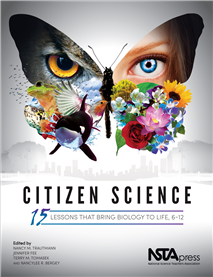
Citizen Science: 15 Lessons That Bring Biology to Life, 6-12 (e-book)
“Observing the life cycle of monarch butterflies and following their remarkable migratory journeys between Canada, the United States, and Mexico … “Tracking climate change by recording the dates of first leaf, flower, and fruit of local tre...
NSTA Press Book
Winner of the Distinguished Achievement Award from PreK-12 Learning Group, Association of American Publishers!What ideas do young children bring to their science learning, and how does their thinking change as they engage in “science talk”? Find...
By Page Keeley
Book Chapter
The purpose of the assessment probe, in this chapter, is to elicit children’s developing ideas about structure in living systems. The probe is designed to find out if students recognize that living things are made up of parts. The sample chapter al...
Book Chapter
The purpose of the assessment probe, in this chapter, is to elicit children’s ideas about plants. The probe is designed to find out what characteristics children use to decide if something is a plant....
Book Chapter
The purpose of the assessment probe, in this chapter, is to elicit children’s ideas about needs of living things. The probe is designed to find out if students recognize that all animals need air to live, including animals that live under water....
Book Chapter
The purpose of the assessment probe, in this chapter, is to elicit children’s ideas about sensory responses. The probe is designed to reveal whether students recognize that plants as well as animals can sense information from their environment and...
Book Chapter
The purpose of the assessment probe, in this chapter, is to elicit children’s ideas about seed germination. The probe is designed to find out if children think the size of a seed determines the time it takes to germinate and grow....
Book Chapter
The purpose of the assessment probe, in this chapter, is to elicit children’s ideas about floating and sinking. The probe is designed to find out if children think size is the property that determines whether an object floats or sinks....
Book Chapter
The purpose of the assessment probe, in this chapter, is to elicit children’s ideas about conservation of matter. The probe is designed to find out if students recognize that all the individual parts that make up an object taken together weigh the...
Book Chapter
The purpose of the assessment probe, in this chapter, is to elicit children’s ideas about changes in matter. The probe is designed to reveal whether students recognize that not all changes are reversible....
Book Chapter
The purpose of the assessment probe, in this chapter, is to elicit children’s descriptions of motion. The probe is designed to reveal how students describe the path of a moving object as it leaves a winding track....
Book Chapter
The purpose of the assessment probe, in this chapter, is to elicit children’s ideas about waves. The probe is designed to reveal students’ ideas about water waves and the waves’ interactions with floating objects....
Book Chapter
The purpose of the assessment probe, in this chapter, is to elicit children’s ideas about variations in sound. The probe is designed to reveal students’ thinking about factors that affect pitch....
Book Chapter
The purpose of the assessment probe, in this chapter, is to elicit children’s ideas about magnets. The probe is designed to reveal children’s ideas about the strength of a magnet in relation to the size of the magnet....
Book Chapter
The purpose of the assessment probe, in this chapter, is to elicit children’s ideas about the Earth materials that make up landforms. The probe is designed to reveal whether students recognize that mountains are made primarily of rock—a precursor...
Book Chapter
The purpose of the assessment probe in this chapter, is to elicit children’s ideas about soil. The probe is designed to find out if students recognize that soil is made up of living and nonliving material....
Book Chapter
Into the Jungle: A Guide to Investigating Your New Science Classroom
This chapter is all about what to do when you are given your first classroom. As a science teacher, you often inherit a jungle of supplies that are organized in a way that only one person would understand … and that person is most likely retired an...
Book Chapter
Working With a Mentor: How to Approach the Relationship
This chapter is about how to go about creating a working relationship with a mentor teacher. Most new teachers are assigned mentor teachers, who get the position based on the number of years they have worked in a school, not necessarily their ability...
Book Chapter
Life on a Budget: How to Use Your Money for Classroom Supplies Wisely
This chapter details how new teachers can make the best use of their science classroom funds, no matter how small the budget. The chapter outlines how a teacher can spend wisely throughout the year, use community resources for free gear, and know wha...