

 Join
JoinAll Resources
Book Chapter
The purpose of this assessment probe is to elicit students’ ideas about substances. The probe is designed to determine whether students distinguish between the everyday use of the word substance and how chemists use the word to refer to matter with...
Book Chapter
When matter changes, sometimes a new substance is formed. The purpose of this assessment probe is to elicit students’ ideas about chemical change. The probe is designed to find out how students determine whether a new substance with a different che...
Book Chapter
What Is the Result of a Chemical Change?
The purpose of this assessment probe is to elicit students’ ideas about chemical change. The probe is designed to find out whether students recognize that substances change chemically as a result of a chemical reaction. It is best used with student...
Book Chapter
What Happens to Atoms During a Chemical Reaction?
The purpose of this assessment probe is to elicit students’ ideas about chemical change. The probe is designed to find out whether students recognize that the same kinds and numbers of atoms are present before and after a chemical reaction. It is b...
Book Chapter
Observations provide evidence of a chemical change. The purpose of this assessment probe is to elicit students’ ideas about chemical change. The probe is designed to find out what changes students use as evidence of a chemical change. It is best us...
Book Chapter
The purpose of this assessment probe is to elicit students’ ideas about changes that result in new properties. The probe is designed to find out whether students recognize that some things mixed together will retain their properties and others will...
Book Chapter
This assessment probe is to elicit students’ ideas about radiation and is designed to reveal whether students distinguish between something that had been exposed to radiation (irradiated) versus something that is radioactive. It is best used with s...
Book Chapter
This assessment probe is to elicit students’ ideas about radiation and is designed to reveal how students distinguish between irradiated and radioactive material. It is best used with grades 9–12 and should be followed up with opportunities for d...
Book Chapter
Energy is difficult to define. The purpose of this assessment probe is to elicit students’ ideas about energy and is designed to reveal how students define or describe energy. This probe is best used with students in grades 4–12. When used with ...
Book Chapter
This assessment probe is to elicit students’ ideas about matter and energy and is designed to uncover students’ ideas about the similarities and differences between the crosscutting concepts of matter and energy. This probe is best used with stud...
Book Chapter
This assessment probe is to elicit students’ ideas about energy and chemical bonds and is designed to find out how students think about the release of energy involved in chemical bonding. It is best used with grades 9–12, and it may help to provi...
Book Chapter
This assessment probe is to elicit students’ ideas about transfer of energy. It is designed to reveal whether students recognize that whenever there is a decrease in energy of a system, there is an increase in energy somewhere else. It is best used...
Book Chapter
The purpose of this assessment probe is to elicit students’ ideas about transfer of energy. The probe is designed to reveal whether students recognize heat can only move from warmer objects to cooler objects. It is best used with grades 6–12, and...
Book Chapter
The purpose of this assessment probe is to elicit students’ ideas about transfer of energy and is designed to reveal how students think about insulators. This probe is best used with grades 4–12, and if used with elementary students, the emphasis...
Book Chapter
The purpose of this assessment probe is to elicit students’ ideas about thermal energy. The probe is designed to reveal whether students distinguish between temperature and thermal energy. It is best used with grades 6–12. The probe is provided i...

Virtual Conference
Shifting to the NGSS: Professional Book Study for Elementary School Teachers
Are you an elementary school teacher working to enhance your knowledge and understanding of the Next Generation Science Standards (NGSS)? Register to participate in the Shifting to the NGSS: Professional Book Study, taking place in May, 2019!...
NSTA Press Book
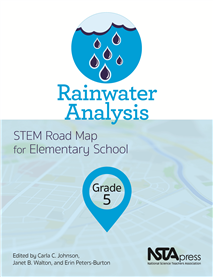
Rainwater Analysis, Grade 5: STEM Road Map for Elementary School
What if you could challenge your fifth graders to design rainwater recycling systems to provide water for a fictional community garden? With this volume in the STEM Road Map Curriculum Series, you can!...
eBook
Rainwater Analysis, Grade 5: STEM Road Map for Elementary School (e-book)
What if you could challenge your fifth graders to design rainwater recycling systems to provide water for a fictional community garden? With this volume in the STEM Road Map Curriculum Series, you can! Rainwater Analysis outlines a journey that wi...
eBook
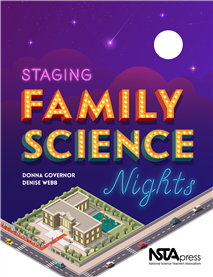
Staging Family Science Nights (e-book)
Get rave reviews for science by putting this book’s step-by-step plans to work. Staging Family Science Nights is your playbook for creating an informal learning environment that will generate enthusiasm and enjoyment of science among the entire fam...
NSTA Press Book
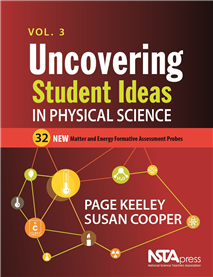
Have you been wanting to learn more about what your students know (or think they know) about major concepts in matter and energy? Have you been wishing for formative assessment tools in both English and Spanish? Then this is the book you’ve been wa...
By Page Keeley, Susan Cooper
NSTA Press Book
Get rave reviews for science by putting this book’s step-by-step plans to work. Staging Family Science Nights is your playbook for creating an informal learning environment that will generate enthusiasm and enjoyment of science among the entire fam...
By Donna Governor, Denise Webb